
The push turns a yearslong congressional inquiry into a broader test of bank compliance systems. At issue is whether suspicious activity tied to a powerful client was reported quickly enough to alert law enforcement.
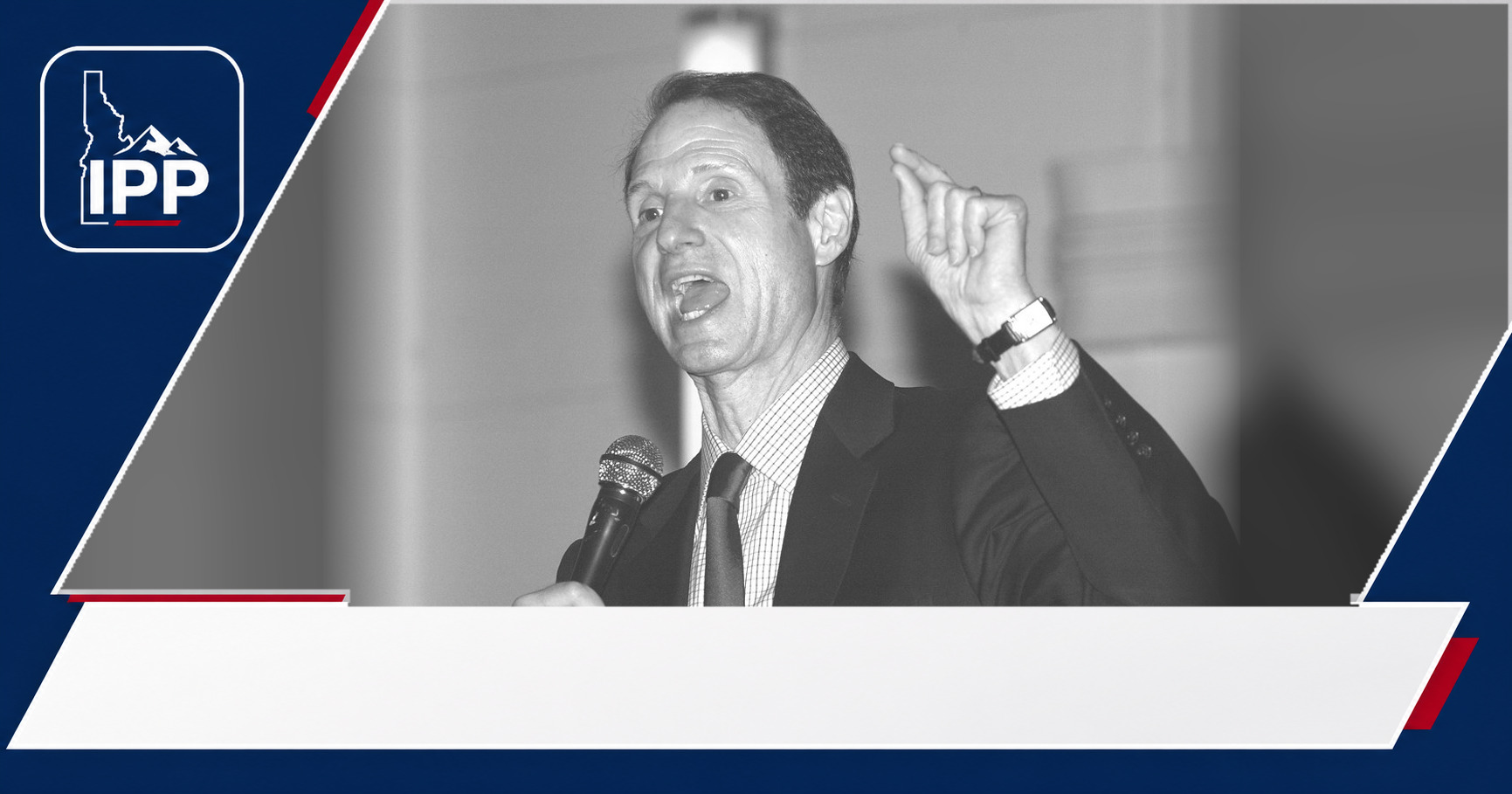
Ron Wyden is urging regulators to investigate Wall Street banks over Jeffrey Epstein-related accounts, including major banks such as JPMorgan, Deutsche Bank and Bank of America, after a Senate Finance Committee report accused firms of compliance failures and missed reporting obligations.
The Oregon Democrat’s push matters now because it seeks to move Epstein’s banking history from congressional scrutiny into potential regulatory or criminal review, testing whether Wall Street’s anti-money-laundering systems worked when a wealthy, well-connected client raised red flags.
Wyden wants a wider probe
Wyden, the top Democrat on the Senate Finance Committee, is pressing financial regulators to examine how major banks handled accounts and transactions tied to Jeffrey Epstein, the late financier and convicted sex offender. Reuters reported that Wyden’s report calls for scrutiny of JPMorgan, Deutsche Bank and Bank of America over Epstein-linked transactions.

The committee’s argument is direct: if banks had information that should have been reported earlier, regulators need to determine whether the failures were isolated mistakes, weak compliance, or potential violations of federal law.
That distinction matters. Banks are not expected to solve criminal cases on their own. They are expected to monitor clients, file required reports, and alert the government when activity appears suspicious under anti-money-laundering rules.
The fight is over timing
The core issue is not simply that Epstein used large financial institutions. Wealthy clients routinely move large sums through major banks. The question is whether the patterns in Epstein-related accounts were suspicious enough that banks should have acted sooner or more aggressively.
Suspicious activity reports, known as SARs, are a key part of that system. They are confidential filings banks submit to the Treasury Department’s Financial Crimes Enforcement Network when transactions may involve money laundering, fraud or other unlawful conduct.
A SAR is not a finding of guilt. It does not prove a crime occurred. But delayed or missing reports can matter because law enforcement uses them to spot patterns, open leads and connect activity across institutions.
Wyden’s broader allegation is that some banks waited too long to flag Epstein-linked activity. His committee has framed that as a possible Bank Secrecy Act problem, not just a reputational failure.
BNY shows the pattern
The Senate Finance Committee’s earlier work helps explain why Wyden is escalating the issue. In January 2026, Wyden announced that his investigation had expanded to Bank of New York Mellon, citing hundreds of transactions tied to Epstein.
According to the committee’s public statement, investigators found a 2019 filing in which BNY disclosed that Epstein moved $378 million in and out of BNY accounts through 270 wire transfers. The committee said the bank had not identified a legitimate business purpose for those transactions and waited years to flag them to the Treasury Department.
Wyden’s letter to BNY’s chief executive argued that many of the wire transfers showed patterns that could indicate money laundering. The bank’s timing, he said, raised the possibility of a Bank Secrecy Act violation.
That BNY example is important because it shows the frame Wyden is applying to the wider Wall Street review: not merely who banked Epstein, but when red flags were seen, who saw them, and whether required reporting followed.
Banks have defenses too
For banks, the likely counterargument starts with the complexity of compliance. Large institutions process enormous transaction volumes, and suspicious activity analysis often depends on information available at the time, not what later becomes obvious after criminal investigations and public scandal.
Reuters reported that JPMorgan said it flagged activity involving Epstein. That kind of response leaves regulators with a narrower but crucial question: were the reports timely, complete and escalated appropriately?
Other banks named in Wyden’s orbit may argue that they followed applicable rules, cooperated with authorities, or improved controls after past reviews. Regulators would have to assess internal records, customer due diligence files, alerts, escalation decisions and SAR histories before reaching any enforcement conclusion.
That is why Wyden’s demand is politically forceful but not the same as a regulatory finding. The Senate report can point to alleged failures. Regulators decide whether those failures meet the legal standard for penalties, referrals or other action.
Why Wall Street should care
The Epstein matter sits at an uncomfortable intersection for financial firms: elite-client banking, anti-money-laundering rules and reputational risk. Banks often compete for high-net-worth clients, but those relationships can become liabilities when wealth, secrecy and unusual payment patterns collide.
If regulators take up Wyden’s call, the review could reach beyond Epstein’s accounts. It could examine whether compliance teams had enough authority to challenge profitable client relationships, whether bankers ignored warnings, and whether senior executives received meaningful escalation.
The stakes include more than fines. A serious probe can lead to monitors, mandated compliance changes, individual accountability reviews, or criminal referrals in extreme cases. Even without new penalties, public findings could reshape how banks handle politically exposed, controversial or unusually complex clients.
Wyden has also tied the inquiry to legislation. His committee has said he is developing measures aimed at systemic compliance breakdowns, and he has pushed for access to Treasury records related to Epstein’s banking activity.
What regulators must answer
The unresolved questions are concrete. Which banks filed SARs, and when? What information did frontline bankers, compliance officers and executives have? Were Epstein-related alerts closed without adequate review? Did any institution delay reporting until after Epstein was already under intense law enforcement scrutiny?
There is also a harder institutional question: whether bank secrecy rules and confidential SAR processes make it too difficult for Congress and the public to understand when the system fails. SAR confidentiality protects investigations and prevents criminals from learning what banks reported. It also means many details remain hidden unless regulators, courts or lawmakers disclose them.
Wyden’s critics may see the effort as political pressure on agencies that are supposed to make independent enforcement calls. Supporters will argue that congressional pressure is exactly what is needed when powerful institutions may have missed signals connected to one of the most notorious criminal cases in recent U.S. history.
For now, Wyden has turned Epstein’s banking history into a test for regulators as much as for banks. The next move belongs to the agencies that can examine confidential filings, subpoena internal records and decide whether Wall Street’s handling of Epstein was merely embarrassing or legally actionable.








Leave a Reply