
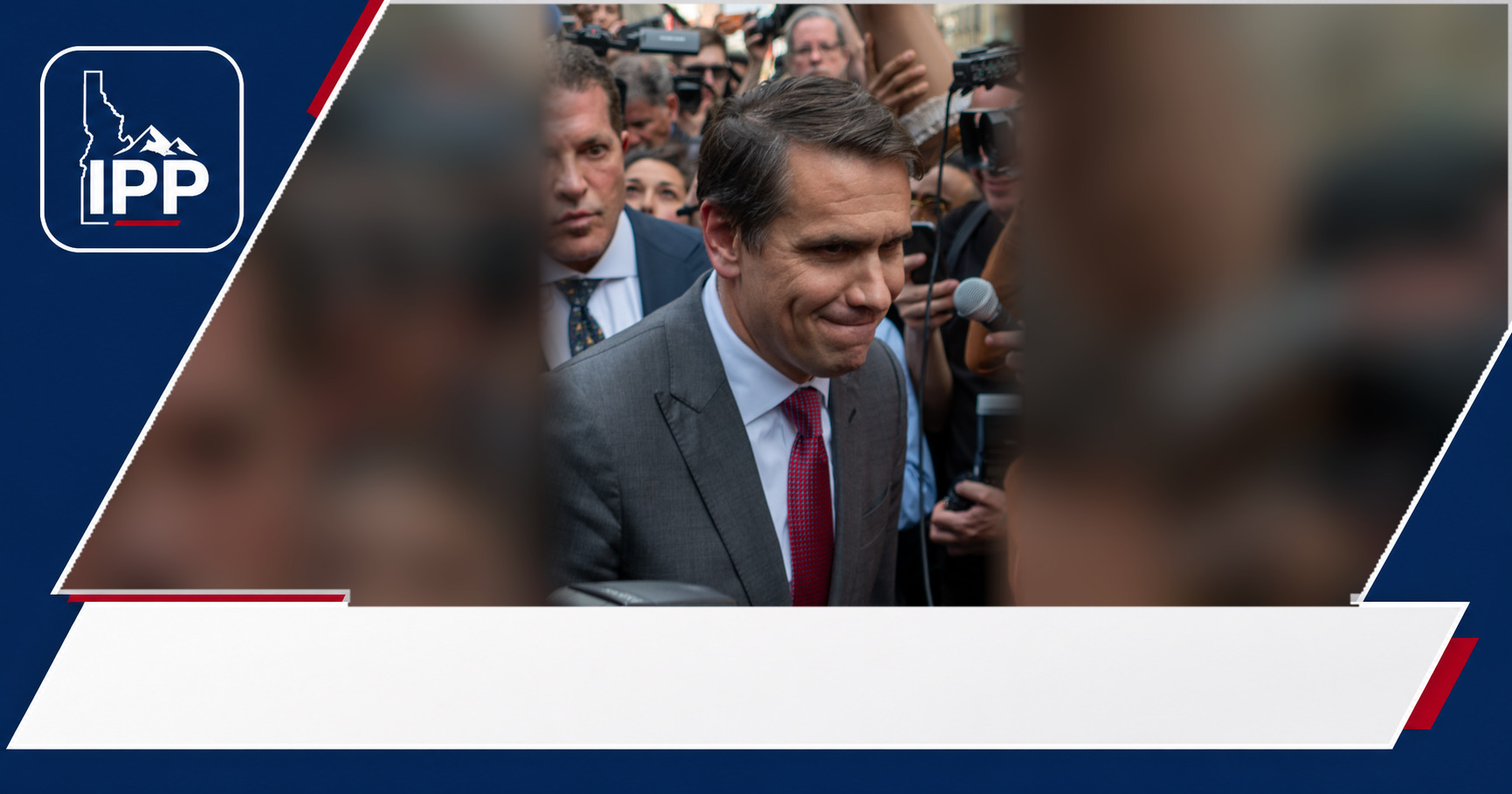
The committee vote sends Blanche to the full Senate, but the fight exposed GOP unease over the Justice Department’s direction, Jan. 6 politics and payments tied to Trump allies.
The Senate Judiciary Committee advanced Todd Blanche’s nomination to be attorney general. The vote came after a standoff over a Trump-related fund. In Washington on Tuesday, the panel voted 12-10 to support Blanche and send the nomination to the full Senate after Republican holdouts were swayed by his written agreement to rescind a $1.8 billion fund tied to Donald Trump and his allies.
That compromise matters because Blanche is not a routine Justice Department nominee. He is Trump’s former criminal defense lawyer, currently serving as acting attorney general, and his confirmation fight has become a test of how far Senate Republicans are willing to go in backing Trump’s vision for DOJ.
A nomination clears committee
The Senate Judiciary Committee’s vote moves Blanche one step closer to becoming the confirmed head of the Justice Department. Reuters reported that the Republican-led committee approved the nomination 12-10, sending it to the full Senate for consideration.
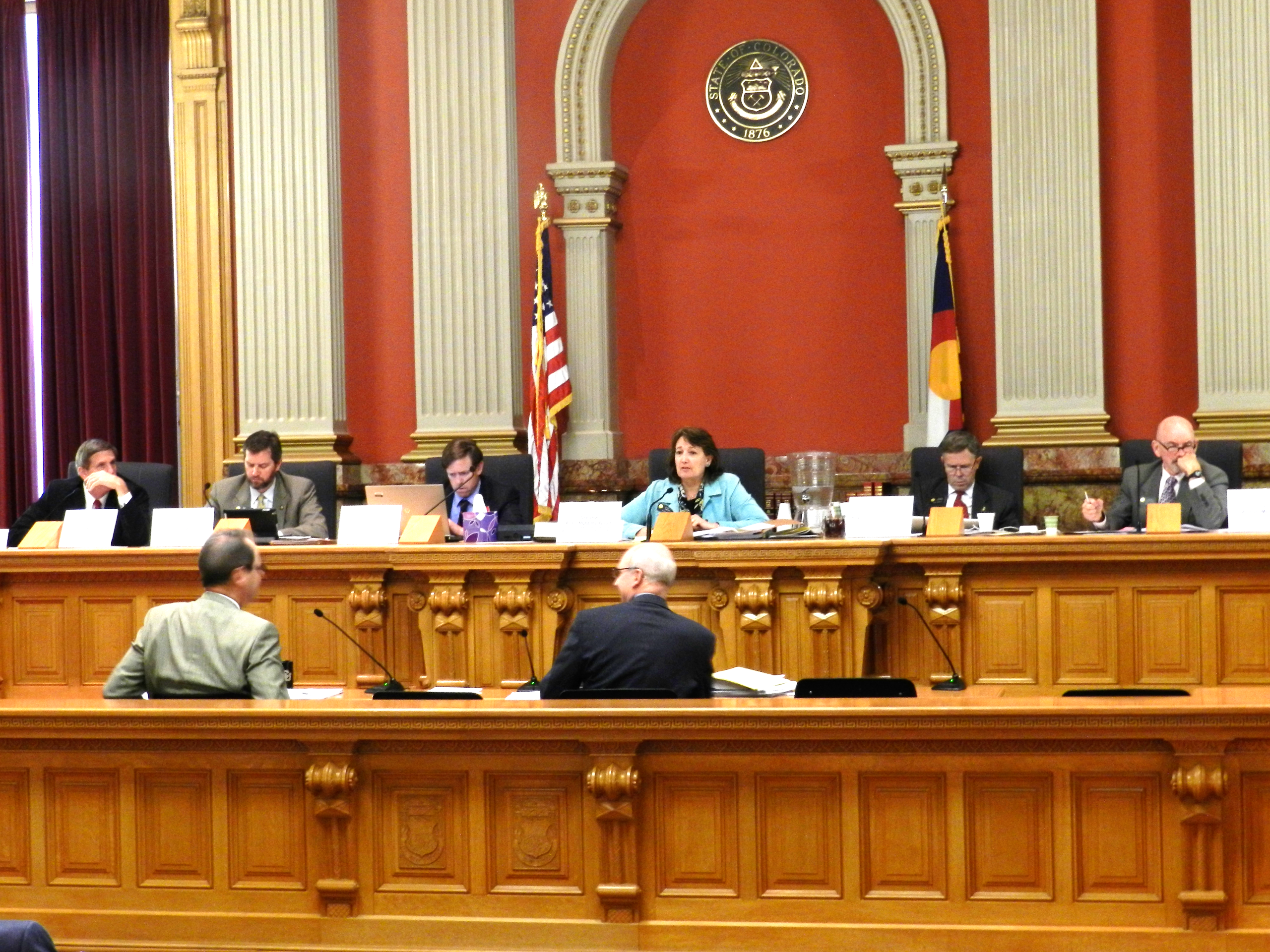
The committee’s official agenda listed Todd Blanche, to be attorney general, among nominees considered Tuesday at a 10:15 a.m. executive business meeting in the Hart Senate Office Building. Chairman Chuck Grassley presided, according to the Senate Judiciary Committee’s public notice.
Committee approval is not the same as confirmation. Blanche still needs a vote by the full Senate, where Republicans hold the advantage but where the controversy that delayed his committee vote may follow him onto the floor.
The result was expected once the holdouts were satisfied. But the path there showed that even inside Trump’s party, the Justice Department remains a politically sensitive institution — especially when money, Jan. 6 and Trump’s personal legal history overlap.
The fund that stalled Blanche
The fight centered on a proposed $1.8 billion fund that Blanche had previously backed to compensate Trump’s political allies and people he described as targeted by Biden-era abuses of power, according to reporting by the Associated Press and Politico.
That idea immediately raised alarms for some Republicans, not just Democrats. The concern was not limited to the cost. Senators worried about who might qualify for payments and whether the fund could reach people convicted in connection with the Jan. 6, 2021, attack on the U.S. Capitol.
Politico reported that some Republicans also objected to the possibility of compensating Trump himself, a wealthy president who has pledged to cut wasteful government spending. That tension made the fund hard to defend: it sounded, to critics, like a government-backed payout mechanism for political loyalists.
Blanche’s way out was a written commitment. Politico reported that he told committee members: As attorney general, I will not award a single dollar in compensation to President Donald J. Trump, his family, or any participant, organizer, or planner of the violence at the United States Capitol on Jan. 6, 2021.
Republican holdouts got their letter
AP identified Sens. John Cornyn of Texas and Thom Tillis of North Carolina as Republicans who wanted written confirmation that the fund would not be created. Their resistance mattered because a narrow committee margin left Blanche little room for defections.
The final 12-10 vote showed that Blanche’s letter did what it was supposed to do: give uneasy Republicans enough cover to advance him without appearing to endorse a compensation program that could become politically toxic.
Politico reported that the vote was along party lines. That means Democrats remained opposed, while Republicans closed ranks after receiving the written pledge.
The episode also reveals a practical limit to loyalty politics. Republican senators may support Trump’s nominee and share many of his complaints about the previous administration, but the prospect of a $1.8 billion fund — especially one linked in public debate to Jan. 6 defendants or Trump’s own orbit — was a bridge too far for some without a clear retreat.
Why Blanche draws scrutiny
Blanche’s résumé is central to the controversy. Reuters and The Washington Post identified him as Trump’s former criminal defense lawyer. AP reported that he has been serving as acting attorney general and would move into the permanent job if confirmed.
That makes the nomination unusually personal. Attorneys general are political appointees, but they lead a law enforcement department that is expected to make charging, civil enforcement and investigative decisions with institutional independence.
Supporters can argue that presidents are entitled to choose legal leaders who share their priorities and understand their agenda. They may see Blanche as someone who has firsthand knowledge of what Trump and his allies consider politically motivated prosecutions.
Critics see the same background differently. To them, installing Trump’s former defense lawyer at the top of DOJ risks blurring the line between the president’s personal interests and the department’s public law enforcement responsibilities. The fund fight sharpened that concern because it involved the possibility of using federal resources to compensate people aligned with Trump.
Jan. 6 remains a fault line
The Jan. 6 issue remains politically volatile because it cuts across law enforcement, party loyalty and public memory. The Capitol attack produced criminal convictions, congressional investigations and years of argument over accountability.
Blanche’s letter tried to wall off the most explosive version of the fund by saying no compensation would go to Trump, his family, or any participant, organizer or planner of the Capitol violence. That wording was significant because it addressed the precise fear that payments could reward people connected to the attack.
Still, the letter does not settle every question. It rescinds the fund as described in the reports, but the broader issue remains: how would a Blanche-led Justice Department handle claims of political targeting, reviews of past prosecutions or pressure from Trump allies seeking redress?
Those questions are likely to be central if the nomination reaches floor debate. Democrats can be expected to press the independence argument, while Republicans who supported Blanche may point to the written pledge as proof that oversight worked.
What happens in the Senate
The nomination now goes to the full Senate. No final confirmation has occurred, and the timing of a floor vote was not established in the extracted official record or wire reports.
For Blanche, the immediate challenge is no longer the committee math. It is whether the same concerns that nearly derailed the committee vote expand into a broader Senate argument about the Justice Department’s mission under Trump.
The committee fight gave both sides material. Supporters can say Blanche listened to senators, rescinded the disputed $1.8 billion fund and earned the votes needed to move forward. Opponents can say the fund should never have been proposed and that the episode confirms their worries about politicizing DOJ.
The clean takeaway is that Blanche advanced, but not unconditionally. His nomination survived because he gave Republicans a written off-ramp from a Trump-related payout plan they did not want to defend. Whether that is enough for full confirmation is now the Senate’s next test.





Leave a Reply