
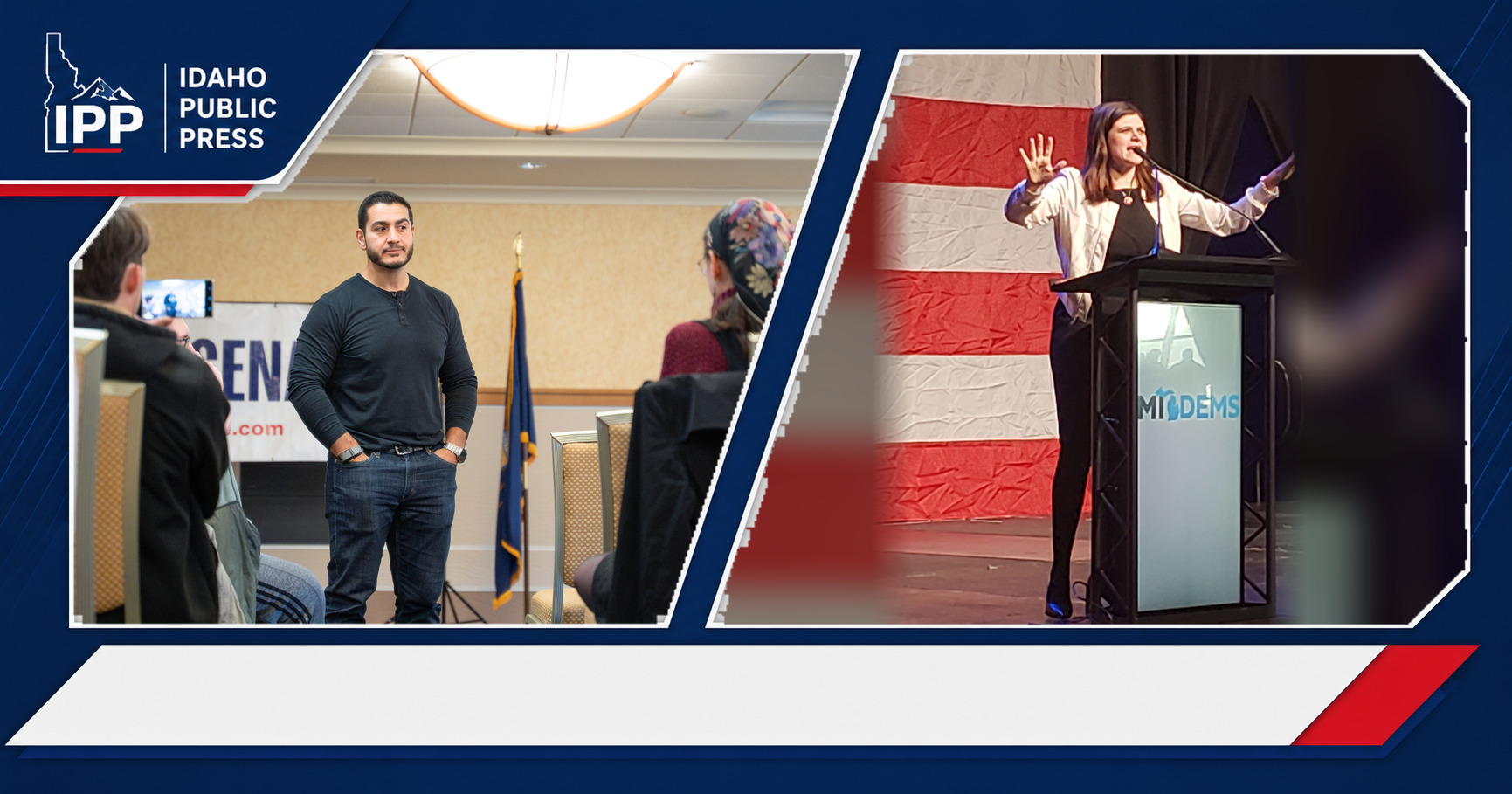
The race has become a proxy battle over what kind of Democrat can win in a battleground state. National money, foreign policy and the party’s Senate ambitions are all colliding in Michigan.
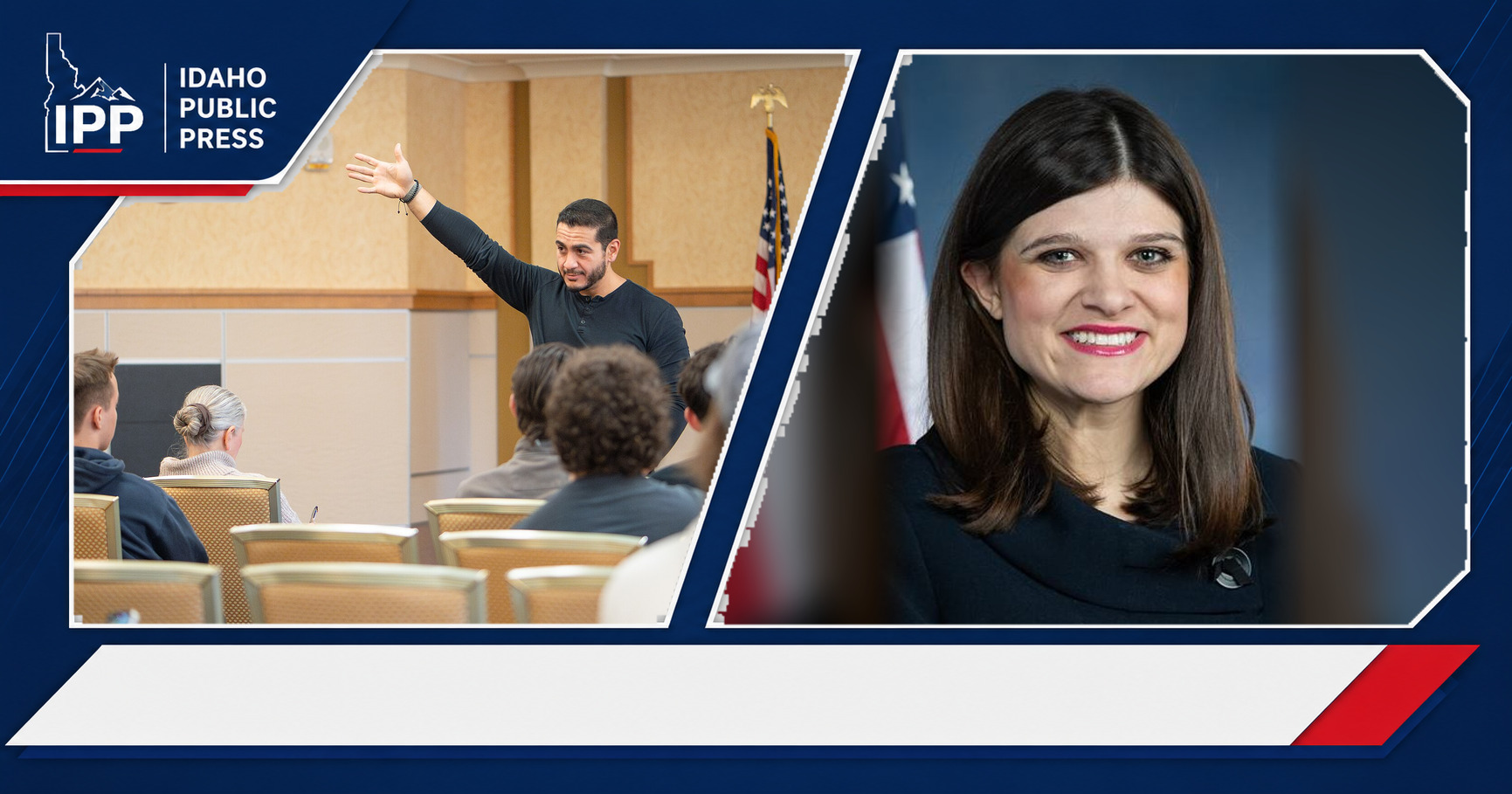
Michigan Democrats are voting in a Democratic Senate primary Tuesday that has become a test between progressives and the establishment, with Abdul El-Sayed and moderate U.S. Rep. Haley Stevens offering sharply different visions for the Democratic Party. Senate primary voters in the battleground state are choosing not just a nominee, but a direction: whether the party rewards a progressive standard-bearer or an establishment-backed candidate.
The outcome could affect the Democratic Party’s future and its bid for the Senate majority because Michigan is exactly the kind of state Democrats cannot treat as symbolic. The race has also drawn national money and attention, including what AP reports was about $30 million from AIPAC and affiliated groups backing Stevens.
A primary with national weight
On paper, this is a state-level nomination fight. In practice, it has become a referendum on how Democrats think they can win difficult Senate races: by elevating insurgent candidates who excite the left, or by nominating candidates with deep institutional support and a more moderate profile.

That tension is not new inside the Democratic Party. What makes Michigan different is the setting. It is a battleground state, and Senate control can turn on races where small shifts in turnout, persuasion and money matter. A primary fight here is never only about the primary electorate.
El-Sayed and Stevens represent two familiar but increasingly sharp arguments. One side says Democrats need candidates who speak more directly to economic frustration, health care, Gaza and anger at money in politics. The other says the party needs nominees who can hold together a broader coalition in a competitive general election.
The voters deciding Tuesday are therefore doing more than sorting through biographies and ads. They are testing two theories of political survival.
Stevens makes the electability case
Stevens enters the contest as the establishment-backed candidate, and her campaign’s strength rests partly on the argument that experience and coalition discipline matter in a state Democrats need to keep competitive. As a member of Congress, she can point to a record in Washington and relationships inside the party infrastructure.
Her supporters see that as an asset, not a liability. In their view, a nominee who is already familiar to donors, labor allies, elected officials and national Democrats may be better positioned for the bruising general election that follows.
That is the core establishment argument: primaries are about passion, but Senate majorities are built by candidates who can survive the next electorate, not just the current one. For Democrats anxious about control of the chamber, that message can be persuasive.
It also carries a risk. In a party where many voters are skeptical of Washington and big-money politics, establishment support can become a target. Stevens’ opponents are trying to turn her institutional backing into proof that the party’s old guard is too comfortable with the status quo.
El-Sayed presses the insurgent case
El-Sayed has leaned into the role of progressive challenger. AP identified him as a progressive favorite, and his campaign has presented the race as a choice between grassroots energy and the forces that typically shape high-dollar Democratic primaries.
His appeal is not limited to ideology in the abstract. AP reported that voters in Detroit’s Eastern Market praised his support for “healthcare for all,” with one older voter saying there is “not a lot of humanity in politics.” That kind of testimonial helps explain why progressive candidates often frame their campaigns around moral clarity as much as policy detail.
El-Sayed’s background also makes him a distinct figure in the race. AP described him as the son of Egyptian immigrants, and his criticism of Israel’s war in Gaza has set him apart from Stevens in a primary where foreign policy has become deeply personal and politically costly.
His challenge is the classic progressive one: prove that enthusiasm can scale. A candidate can dominate movement spaces and still face questions about whether that support translates into a statewide general election coalition.
Gaza and AIPAC sharpened the split
The sharpest dividing line in the race may be Israel and Gaza. AP reported that AIPAC, the American Israel Public Affairs Committee, and affiliated groups spent around $30 million backing Stevens as they sought to defeat El-Sayed. AP described it as the pro-Israel group’s largest investment ever in a single race.
That number has made the primary a national story. For Stevens’ backers, the spending reflects support for a candidate who has long identified as strongly pro-Israel. AP reported that Stevens has described herself as a “proud pro-Israel Democrat” and once said at a Hanukkah celebration that “Israel comes to me in my dreams.”
For El-Sayed and many progressives, the spending is evidence of exactly what they are campaigning against. AP reported that he has called Israel’s military campaign in Gaza a “genocide,” described the Israeli government as “evil” and argued that AIPAC’s influence distorts Democratic politics.
That makes Tuesday’s vote about more than one foreign policy dispute. It is also about whether Democratic primary voters see outside spending as validation of a candidate’s seriousness or as a warning sign about who holds power in the party.
Two visions of Democratic power
The establishment-versus-progressive frame can flatten real voters into factions. Many Democrats do not fit neatly into either camp. A voter can want Medicare-style health care reform and still worry about general election risk. Another can support Israel and still object to massive outside spending in a primary.
Still, the labels matter because campaigns use them to build trust. Stevens’ camp is effectively asking voters to value experience, discipline and the ability to win a Senate race in a hard state. El-Sayed’s camp is asking voters to reject a politics that, in their view, treats bold policy and criticism of powerful interests as liabilities.
Both arguments speak to real Democratic anxieties. The party has spent years debating whether it loses because it is too cautious or because it nominates candidates too easily branded as outside the mainstream. Michigan gives both sides a concrete test case.
But the result will not settle the debate by itself. A primary electorate is not the same as a November electorate, and turnout patterns can say as much about organizing and money as about ideology.
What Tuesday will actually reveal
The immediate question is who wins the nomination. The larger question is what kind of victory it is. A narrow Stevens win would not carry the same meaning as a commanding one powered by institutional support. A narrow El-Sayed win would not mean the same thing as a broad coalition victory across age, geography and ideology.
Several signals will matter once votes are counted:
- Turnout: whether progressive enthusiasm expanded the electorate or establishment-aligned voters held firm.
- Geography: whether support clustered in predictable areas or crossed regional and demographic lines.
- Money’s impact: whether AIPAC’s spending helped define the race or intensified backlash against Stevens.
- General election posture: how quickly the winner can unify Democrats after a bruising primary.
That last point may matter most. Senate primaries can leave scars, especially when they revolve around war, identity, money and the party’s moral direction. Whoever emerges will need voters from the other side of this intraparty fight.
For now, Michigan is the stage for a larger Democratic argument that is not going away. Progressives want proof that their politics can win in a battleground state. The establishment wants proof that discipline and broad appeal remain the safest path to a Senate majority. Tuesday’s primary will give one side a nominee, but it will give the whole party a warning about the fights ahead.








Leave a Reply