
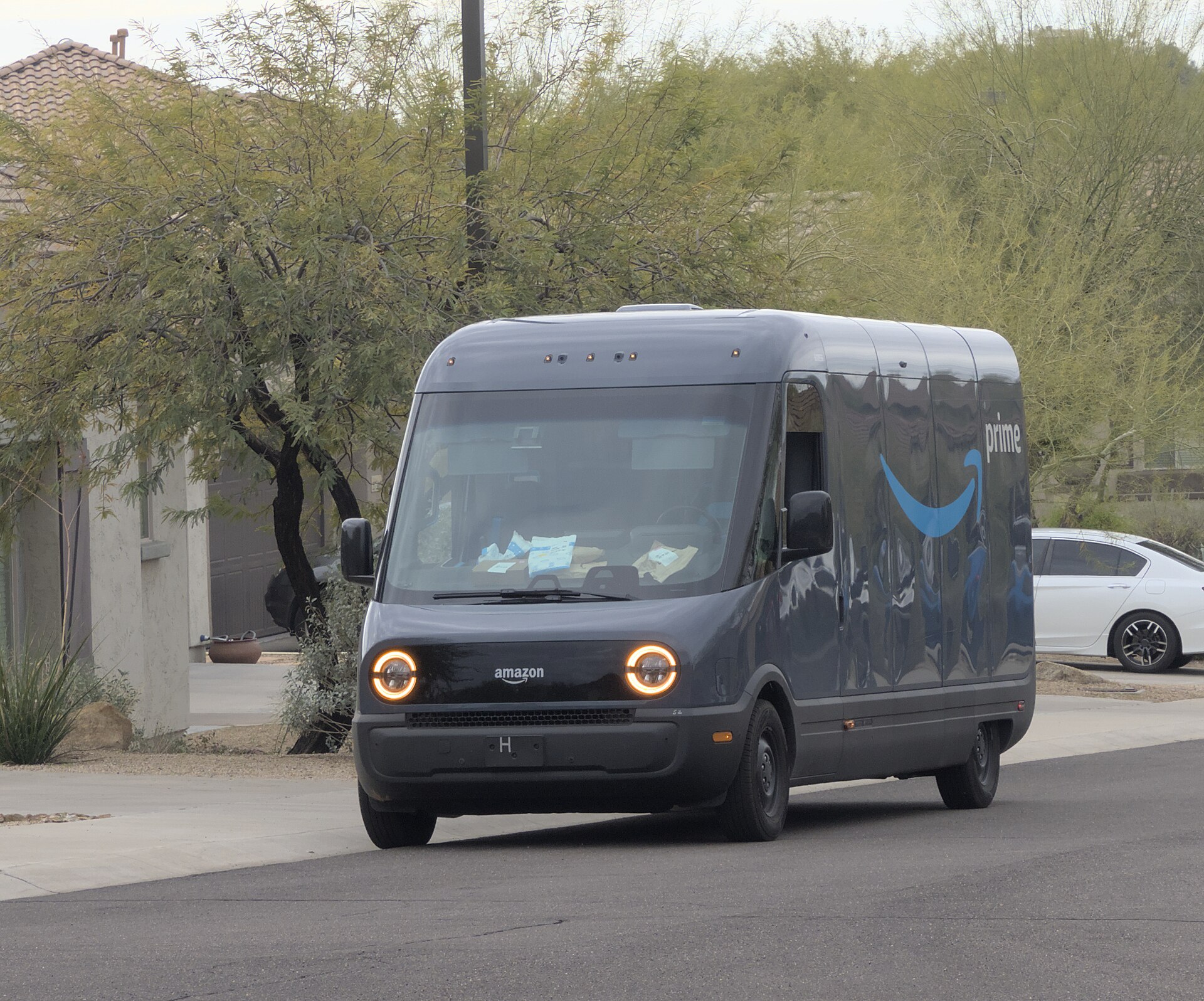
The case puts Amazon’s last-mile delivery system under a sharper legal lens: not just whether drivers are contractors or employees, but whether the company has too much power over the market that sets their pay.
New Jersey is suing Amazon, alleging Amazon’s delivery network illegally suppresses wages by using its power over delivery contractors and delivery workers. The antitrust lawsuit, announced Tuesday by New Jersey Attorney General Jennifer Davenport and filed in U.S. District Court for the District of New Jersey, targets Amazon Logistics and the company’s delivery service partner system.
The legal claim matters because New Jersey is not only accusing Amazon of mistreating drivers. It is arguing that Amazon’s delivery contractor model limits competition for labor, keeps pay artificially low and gives the company monopsony power over a workforce essential to getting packages to customers’ doors.
A labor case in antitrust clothes
New Jersey’s case takes aim at the engine behind Amazon’s fast delivery promise: thousands of small third-party companies that deliver packages under Amazon’s delivery service partner, or DSP, program.
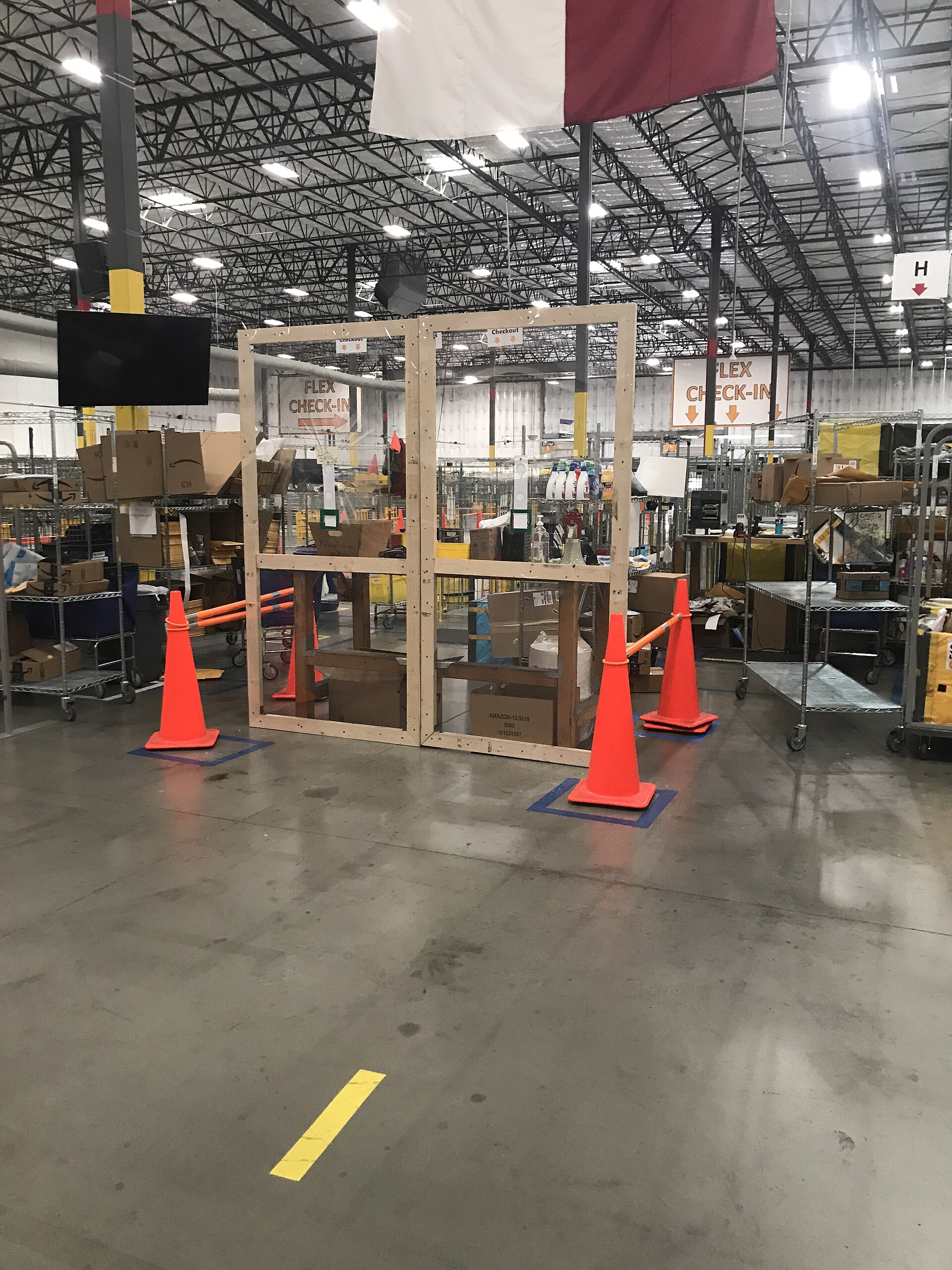
According to reporting from CNBC and The Wall Street Journal, the lawsuit alleges Amazon uses its control over that network to restrain competition among delivery contractors and suppress wages for drivers. The state says Amazon prevents delivery workers from unionizing, restricts contractors from hiring one another’s drivers and limits the ability of those contractors to compete for labor with better pay or working conditions.
The central antitrust concept is monopsony. A monopoly is power over sellers or customers. A monopsony is power over suppliers or workers — the kind of power a dominant buyer of labor can allegedly use to push down wages.
The Wall Street Journal reported that the lawsuit argues Amazon exercises monopsony power over the small businesses that deliver Amazon packages and the drivers they employ. That is the legal hinge of the case: New Jersey is trying to show that Amazon’s role is not simply that of a customer hiring outside delivery firms, but of a dominant labor-market force setting the practical terms of work.
How the delivery model works
Amazon launched its DSP program in 2018 as a way to build out its own last-mile delivery capacity. Instead of relying only on major carriers such as UPS and FedEx, Amazon contracts with small delivery companies that run vans, hire drivers and bring packages from Amazon facilities to customers.
The model helped Amazon make fast delivery more routine. It also gave the company flexibility: local contractors handle many operational pieces, while Amazon Logistics supplies the package volume, technology, routing expectations and customer-facing delivery standards.
That split is exactly where the dispute sits. Amazon says DSPs are independent business owners that make their own decisions about hiring, fleets and capacity planning. New Jersey says the contractors are economically dependent on Amazon and cannot meaningfully operate outside Amazon’s system.
If the state can support that claim, the contractor label may not settle the antitrust question. The issue becomes whether the network is structured in a way that blocks normal competition for drivers — the kind of competition that would usually push wages up or improve conditions.
What New Jersey alleges
Davenport’s office said Amazon’s conduct harms workers by reducing competition for their labor and leaving them with lower pay and harsher conditions than they would face in a more competitive market.
In a statement cited by CNBC, Davenport said Amazon built a company worth trillions while drivers in its delivery network faced artificially low pay and punishing working conditions because of the company’s power in the labor market.
The complaint, as described by CNBC, focuses on several alleged restraints:
- Amazon allegedly restricts delivery contractors in its network from hiring each other’s drivers.
- The state says Amazon limits competition for driver labor, which can hold wages down.
- New Jersey alleges Amazon prevents delivery workers from unionizing.
- The complaint says delivery contractors are economically dependent on Amazon and cannot compete independently by offering better pay or conditions.
Those details are important because wage-suppression cases often turn on market structure rather than one bad pay policy. New Jersey is arguing that the system itself narrows worker choices.
Amazon’s defense is independence
Amazon rejects the lawsuit’s premise. In a statement reported by CNBC, the company said the complaint is “not grounded in fact” and called the claims about working conditions “just wrong.”
The company’s defense rests on the independence of DSPs. Amazon says delivery partners are independent business owners who decide how to hire, manage fleets and plan capacity. It also says they can choose whether to work with companies other than Amazon.
That response previews one of the core fights ahead. If DSPs are genuinely independent firms competing for workers and customers, New Jersey’s theory becomes harder to prove. If they are independent mostly on paper while Amazon controls the economics, routing, standards and practical business options, the state’s case gains force.
The public version of the dispute is simple: Amazon says it built a contractor network; New Jersey says Amazon built a controlled labor market.
Why drivers are central
The case lands at a time when Amazon’s delivery workforce has become a flashpoint for regulators, unions and city lawmakers. The DSP model has expanded quickly because it solves a problem for Amazon: shoppers want fast, predictable delivery, and Amazon needs a vast workforce to provide it.
But the workforce is fragmented across contractors rather than employed directly by Amazon. Labor advocates have long argued that this lets Amazon shape work conditions while avoiding some responsibility for the people doing the work. Amazon has consistently pushed back, saying its delivery partners control their own businesses.
The New Jersey lawsuit does not have to resolve every question about whether drivers should be Amazon employees. Its narrower, but potentially powerful, question is whether Amazon has used market power to restrict how labor is bought and priced inside its delivery network.
That distinction matters. Antitrust law has increasingly been used to examine worker harm, not just consumer prices. A delivery system that produces fast shipping for customers can still face scrutiny if regulators believe the efficiency comes from illegally weakened competition for workers.
The stakes beyond New Jersey
New Jersey’s lawsuit could influence how other states, cities and federal regulators look at large companies that use contractor networks to perform core business functions.
Amazon is not the only company to rely on outside contractors, but its scale makes the case unusually consequential. If a court accepts New Jersey’s monopsony theory, other labor markets built around dominant platforms could face similar challenges.
The case also overlaps with political pressure elsewhere. CNBC reported that New York City is weighing legislation that would require Amazon to directly employ DSPs, among other measures. Amazon has said it would consider relocating delivery operations outside the city if that bill moves forward, while a tech industry group has warned of higher shipping costs.
Those competing claims show the broader tradeoff. Regulators and labor advocates see a chance to raise standards for delivery workers. Amazon and its allies warn that forcing changes to the model could disrupt delivery operations and raise costs for consumers.
What remains unresolved
The lawsuit is at an early stage, and the strongest evidence will matter more than the sharpest statements. New Jersey will need to prove not just that drivers want higher wages or better conditions, but that Amazon’s conduct illegally restrained competition in a defined labor market.
Amazon will likely press the court to treat DSPs as independent businesses with their own employment decisions, not as extensions of Amazon. The company may also argue that its network created opportunities for small business owners and improved delivery service for consumers.
The unanswered questions are practical ones. How much freedom do DSPs actually have to set pay? Can they build meaningful businesses outside Amazon? Do restrictions on driver movement exist in a form that violates antitrust law? And can New Jersey show that wages are lower because of Amazon’s market power rather than ordinary contractor economics?
For now, the case turns Amazon’s delivery promise into a legal test. The same network that helped make rapid package delivery feel ordinary is now being challenged as a system that may have made driver pay less competitive than the law allows.








Leave a Reply