
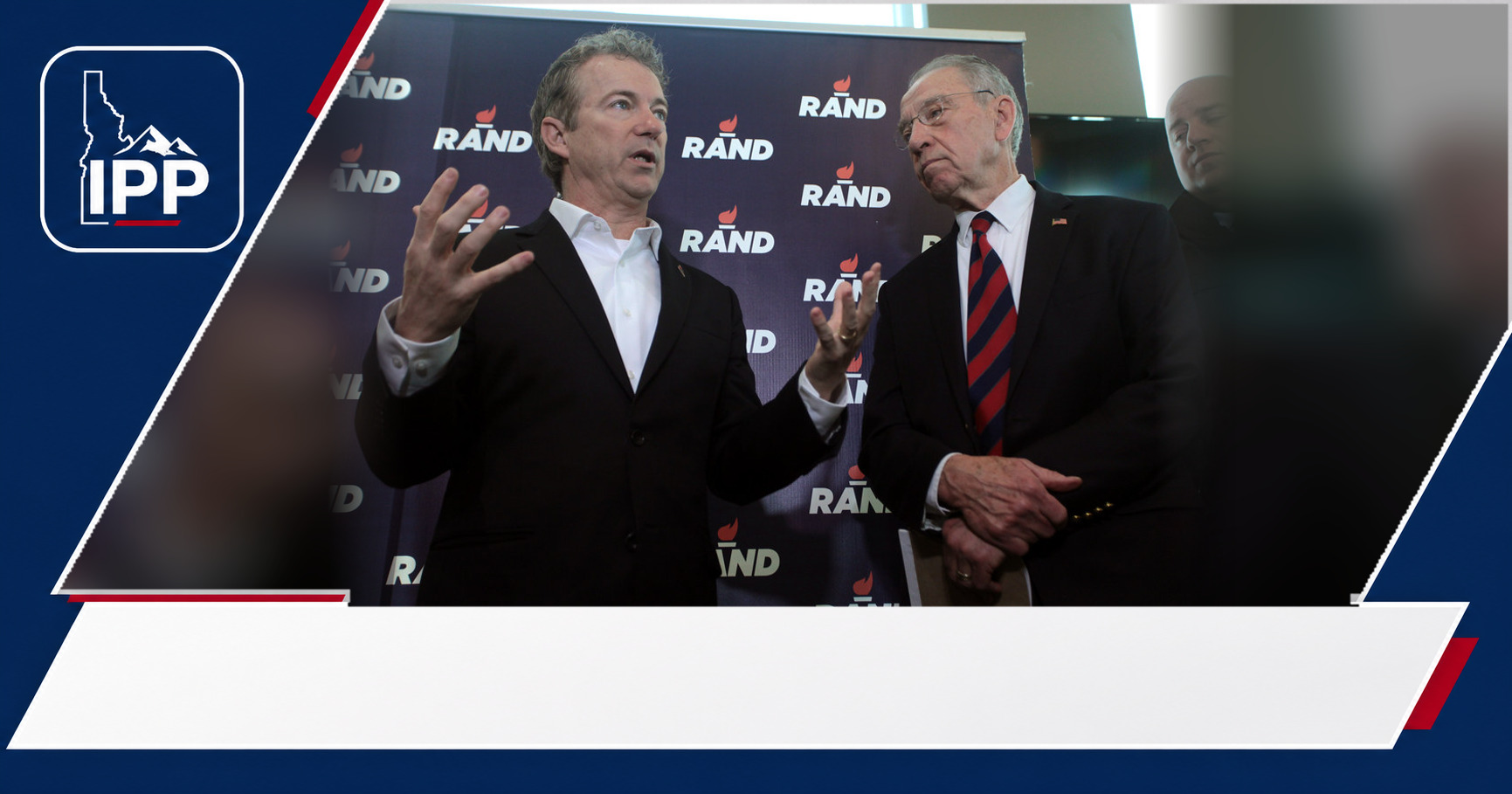
The backlash is less about one exchange than about political framing: which parts of Todd Blanche’s testimony Republicans highlighted, and which admissions critics say were left hanging.
A MAGA senator is facing criticism for ignoring Todd Blanche’s damning details. Sen. Chuck Grassley, the Iowa Republican who chairs the Senate Judiciary Committee, was the lawmaker at the center of the backlash after Blanche, described by the committee as the Department of Justice acting attorney general and attorney general nominee, answered questions in Washington about Epstein files, Jack Smith records, antitrust enforcement and abortion-drug litigation.
The “MAGA senator thrashed” reaction, reported in a Raw Story item carried on MSN, centers on what critics say Grassley chose to emphasize from the hearing. The Blanche-related facts they say were overlooked include DOJ’s review of more than six million Epstein-related pages, mistakes in about 1% of redactions, unredacted access for Congress and Blanche’s statement that there are no closed investigations if new Epstein leads emerge.
Grassley framed the hearing narrowly
Grassley’s own Senate Judiciary Committee release presented the exchange as a wide-ranging accountability session. It said he questioned Blanche on alleged misconduct tied to Special Counsel Jack Smith, antitrust enforcement, the Epstein Transparency Act and mail-order abortion-drug regulations.
That framing matters because it made Blanche’s answers sound like a validation of Republican complaints about the Justice Department under President Joe Biden. Grassley highlighted Blanche’s remarks about transparency, “egregious abuses” and records being provided to Congress.
Critics saw something else in the same transcript: not just a partisan indictment of a previous administration, but a sitting Justice Department official acknowledging sensitive failures and unresolved questions under the current process.
The clash is a familiar Washington pattern. One side lifts the lines that fit its argument; the other points to the caveats, admissions and loose ends buried in the testimony.
The Epstein admissions were substantial
The most explosive portion of Blanche’s testimony concerned the Epstein files. According to the Senate Judiciary transcript, Grassley asked him to address concerns about problematic redactions, insufficient follow-up on investigative leads, refusal to meet with victims and questions surrounding Ghislaine Maxwell’s transfer to a lower-security prison.
Blanche responded by describing the Justice Department’s work under the Epstein Transparency Act as a “Herculean task.” He said DOJ reviewed more than six million pages of potentially responsive files and did so quickly because the statute required it.
He also conceded that mistakes were made. Blanche said approximately 1% of the redactions had to be fixed after the files were released, including instances in which a victim’s name had not been properly redacted. He said DOJ took documents down and corrected them when those problems were found.
That is the core of the criticism aimed at Grassley’s handling of the moment. If a senior DOJ figure admits errors in a politically sensitive document release involving victims, critics argue that cannot be treated as a minor footnote to a broader pro-transparency message.
Blanche offered a defense too
Blanche did not present the Epstein file process as a failure. He said qualified attorneys from DOJ and the FBI handled the review, that lawyers were on call around the clock and that the department tried to correct mistakes as soon as it learned about them.
He also said unredacted versions of the entire database were made available to members of Congress. That claim gave Grassley and other Republicans a point to emphasize: the administration says it is giving lawmakers access even while managing privacy and victim-protection concerns in public releases.
Blanche’s strongest forward-looking statement was about investigative leads. He said DOJ had spoken with more than 30 representatives of “dozens and dozens” of victims and encouraged victims or their lawyers to meet with the FBI.
He added that there are “no closed investigations” if new information emerges that could support an investigation, indictment or prosecution. That line helps explain why Republicans treated the exchange as a transparency pledge rather than a damaging admission.
Jack Smith claims drew attention
Grassley also used the hearing to revisit allegations involving Jack Smith’s office and Trump-related investigations. He asked Blanche about congressional information and sensitive material that Grassley said Smith’s team possessed and reviewed when it should not have.
Blanche answered that the best response was transparency, including providing records to Congress and acknowledging when the department had done something it should not have done. He said public understanding of past abuses would help prevent them from happening again.
Grassley then referred to messages he said appeared to involve the Trump classified documents case and a classified facility that had allegedly been left open, potentially causing a security violation. Blanche, who previously served as defense counsel to Donald Trump, said he was not advised of those issues at the time and was not aware of an investigation into the alleged conduct.
For Grassley’s allies, that exchange bolstered a long-running argument that Trump was treated unfairly by federal law enforcement. For critics, it showed how quickly the hearing pivoted away from uncomfortable Epstein-file admissions and back toward the GOP’s preferred narrative about “lawfare.”
Why the backlash stuck
The criticism of Grassley is not that he failed to ask about Epstein. The transcript shows that he did. The dispute is over emphasis: whether he pressed Blanche hard enough on the department’s admitted mistakes, victim concerns and continuing leads.
That distinction is important. A senator can ask the right topic and still be accused of letting an official off too easily. In this case, critics argue that Grassley’s public framing leaned toward vindicating DOJ’s current posture and attacking prior leadership, rather than dwelling on the redaction failures Blanche acknowledged.
There is also a broader credibility problem around Epstein-related disclosures. Across party lines, the public has heard years of promises about transparency, accountability and hidden records. Any admission of flawed redactions or incomplete follow-up lands in a climate where suspicion is already high.
Blanche’s answer gave both sides material. Republicans can cite the six-million-page review, congressional access and open-investigation pledge. Critics can cite the redaction mistakes, victim-protection failures and unresolved allegations about the handling of leads.
What remains unclear
The Senate Judiciary material does not resolve several major questions. It does not say which specific redaction mistakes occurred beyond Blanche’s acknowledgment that some victim names were improperly left unredacted. It does not establish whether every lead raised by victims has been investigated to their satisfaction.
It also does not settle the questions Grassley referenced about Maxwell’s prison transfer or claims that DOJ refused to meet with victims. Blanche said the department had spoken with victim representatives and encouraged more contact, but that answer leaves room for disagreement over timing, access and substance.
The hearing did clarify one thing: Blanche’s testimony was more complicated than a simple partisan sound bite. It contained praise for transparency, attacks on past DOJ conduct, promises of future investigation and admissions that the Epstein file release had real errors.
That is why the criticism of Grassley resonated. The fight is not just over Todd Blanche’s answers. It is over which parts of those answers political leaders want the public to remember.







Leave a Reply