
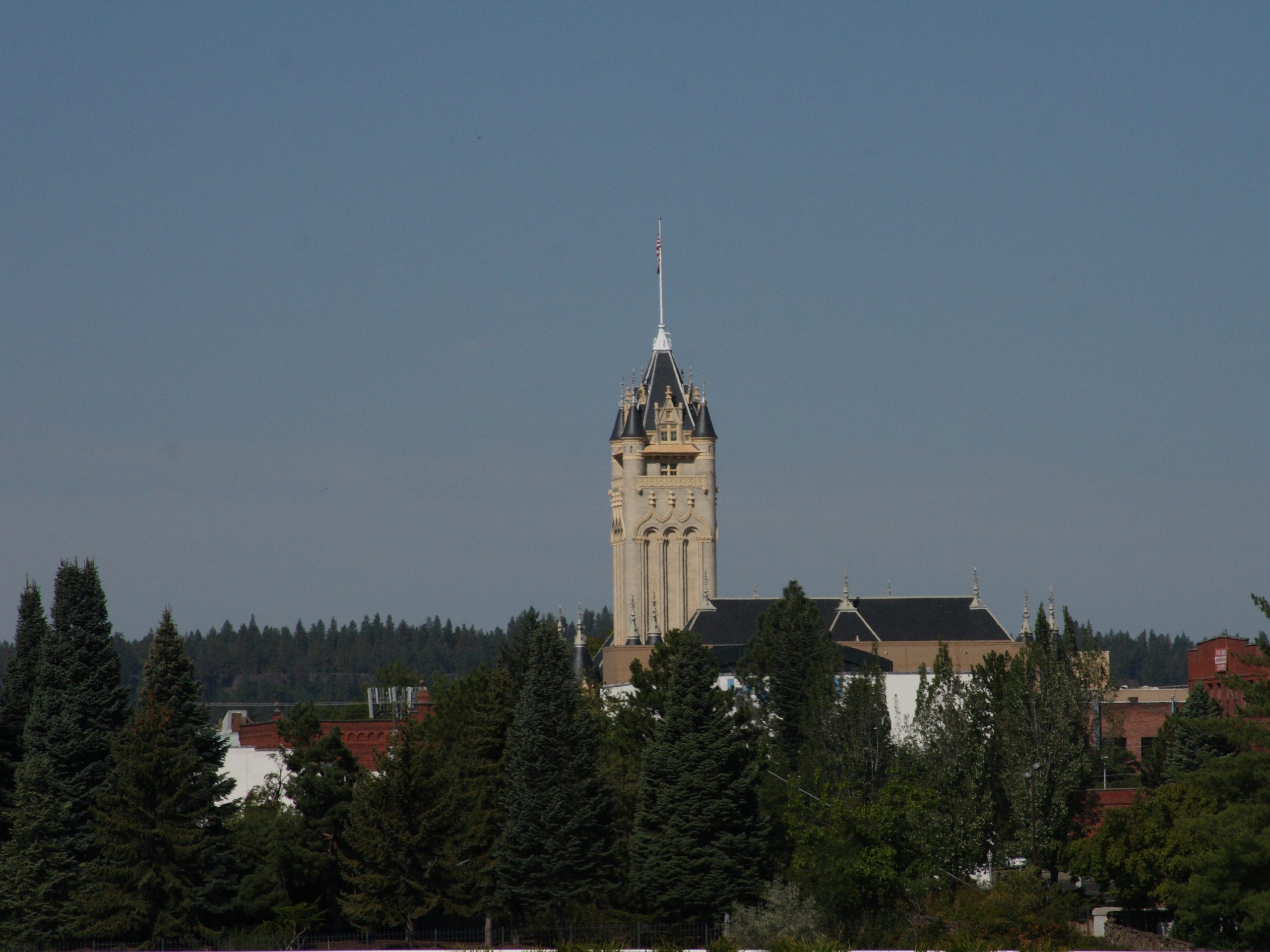
The charge focuses on one major wildfire, but investigators’ interest in two earlier fires shows why the Spokane case is being watched closely. The unresolved pieces matter for residents, firefighters and prosecutors alike.
A man was charged with setting Spokane’s largest wildfire in Washington, and he was questioned last year about 2 other blazes, according to reporting by The Associated Press. The Spokane County Sheriff’s Office is among the key agencies tied to the broader wildfire investigation in Spokane, where officials are trying to determine how multiple fires began and whether any are connected.
The charge matters because arson cases in wildfire country are rarely simple. One criminal allegation can answer who prosecutors believe started a specific fire, while leaving open harder questions about motive, pattern, proof and public safety.
One charge, wider scrutiny
The central allegation is that the man intentionally set Spokane’s largest wildfire. He has been charged in that case, but a charge is not a conviction, and prosecutors still must prove the allegation in court.

The added detail — that he was questioned last year about two other blazes — shifts the public understanding of the case. It suggests investigators were not looking at the newest fire in isolation, even if the earlier fires have not been legally tied to him in the same way.
Reuters also reported that the origins of the two other fires remained under investigation as wildfires burned around Spokane. That distinction is important: being questioned is not the same as being charged, and an unresolved fire origin is not proof of arson.
For Spokane residents, though, the overlap is hard to ignore. When several fires hit the same region and a suspect in one case had drawn attention before, the community naturally wants to know whether authorities are facing a one-off act or something broader.
Why the earlier fires matter
Wildfire investigations often move slowly because evidence can be damaged or destroyed by the fire itself. Investigators may rely on burn patterns, ignition points, witness accounts, surveillance, phone data, vehicle movement, weather conditions and physical traces left at a scene.
That work becomes more complicated when multiple fires are under review. Investigators must separate coincidence from connection: dry conditions, wind and human activity can produce several unrelated fires in a short period, while repeated suspicious ignition points may point in another direction.
The fact that the man was questioned last year about two other blazes gives prosecutors and investigators a possible timeline to examine. It does not, on its own, establish that he caused those fires.
Defense attorneys in cases like this often focus on that gap. They may argue that investigators are trying to link a person to fires based on suspicion rather than direct evidence, especially when prior questioning did not lead to earlier charges.
Spokane’s fire risk is local and regional
Spokane sits in a part of eastern Washington where wildfire risk is shaped by heat, wind, dry vegetation and the spread of homes into fire-prone areas. A fire on the edge of the city can quickly become a regional emergency if conditions line up badly.
That is why the phrase “Spokane’s largest wildfire” carries weight. A large fire is not just a burned-acre figure; it can mean evacuations, damaged property, road closures, hazardous smoke and stretched crews trying to protect neighborhoods.
For firefighters, suspected arson creates another layer of danger. Crews already face unpredictable terrain and weather. If a fire was intentionally set, they also have to think about whether more ignitions could follow while resources are tied up.
For the public, the uncertainty can be exhausting. Residents want fast answers, but fire science and criminal law both demand evidence that can survive scrutiny.
What authorities still must prove
In an arson prosecution, investigators typically need to show that a fire was deliberately set and that the accused person was responsible. That can be harder than it sounds, especially after flames, suppression work and weather have altered the scene.
The public record described in the AP and Reuters reporting points to three separate ideas that should not be blurred together:
- The current charge: The man is accused of intentionally setting Spokane’s largest wildfire.
- The prior questioning: He was questioned last year about two other blazes.
- The unresolved investigation: The origins of those other fires remained under investigation, according to Reuters.
Those categories matter legally. A person can be a suspect in one case, a witness or person of interest in another, and not charged at all in a third.
They also matter for public trust. If officials imply too much before the evidence is tested, they risk undermining the case. If they say too little, residents may feel left in the dark while fire season continues.
The stakes for Spokane residents
Wildfire arson cases can become emotional quickly because the harm spreads far beyond the ignition point. People may lose homes, pets, livestock, vehicles or irreplaceable belongings. Even those outside the burn zone can be affected by smoke, school closures and evacuations.
That pressure can fuel demands for quick punishment. But the legal system moves through charging documents, hearings, evidence disputes and, if the case proceeds, trial or plea negotiations.
There is also a broader public-safety question. If the charged fire is part of a wider pattern, authorities need to know that quickly. If it is not, officials still need to identify what caused the other blazes so prevention efforts are aimed in the right direction.
The Spokane County Sheriff’s Office and other agencies involved in wildfire response are likely to face continued scrutiny over both the criminal investigation and the region’s readiness for future fires.
What happens next
The next phase will depend on the court process and the fire investigations. Prosecutors may lay out more details about the evidence behind the charge. Investigators may also clarify whether the two earlier blazes remain separate inquiries or become part of a larger case theory.
Key unanswered questions remain: what evidence links the man to Spokane’s largest wildfire, why he was questioned about the two other blazes last year, and whether investigators have found any direct connection among the fires.
Until those answers emerge, the case sits in a careful middle ground. It is significant because a man has been charged in a major Spokane wildfire and had previously drawn investigators’ attention. It is also incomplete because the other fires remain unresolved in the public record.
For Spokane, that uncertainty is the point. The charge may mark a break in one fire investigation, but it does not yet close the broader question of how multiple blazes started — or whether the community is looking at one alleged act or a wider threat.



Leave a Reply