
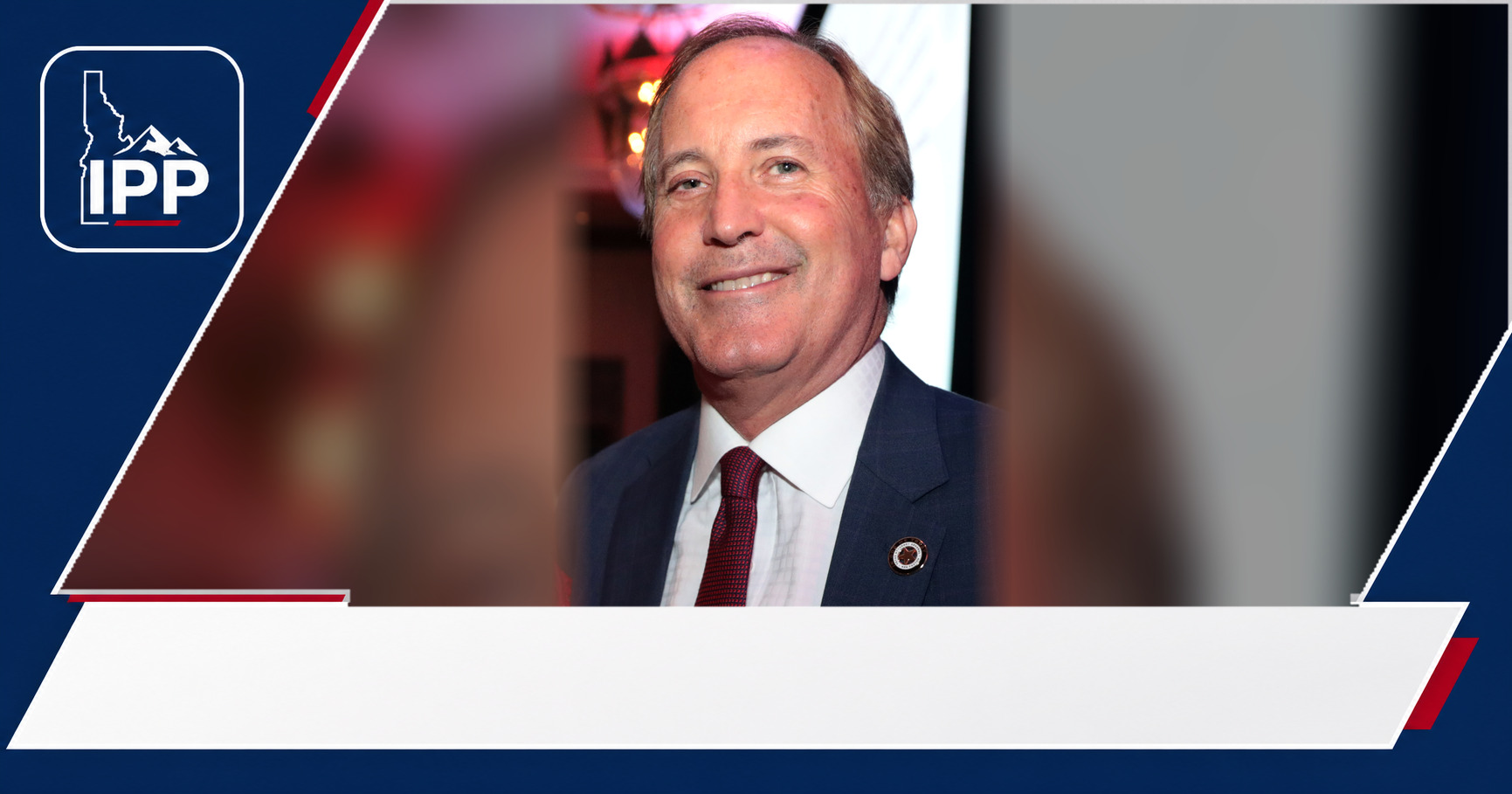
Texas has frustrated Democrats for decades, but Sabato says this race looks different because Paxton brings unusual baggage. Polling, fundraising and Republican unity may decide whether that opening is real.
Larry Sabato says Ken Paxton is politically weak enough that Democrats could flip a Texas Senate seat, with Texas state Rep. James Talarico positioned as the Democratic contender in the Texas U.S. Senate contest. Sabato’s argument, made in a CNN interview, is not that Texas suddenly became easy for Democrats. It is that Paxton is “so awful” politically that his scandals, donor problems and polling against Talarico have created a real opening in Texas now.
That distinction matters. Texas Democrats have heard “this is the year” for a generation. Sabato, the University of Virginia Center for Politics director, is saying this race may be different because the Republican nominee is not a generic Republican.
Sabato’s Texas warning shot
Sabato’s comments landed because he is usually careful about Texas hype. In an interview with CNN’s Erin Burnett, he recalled hearing from Texas Democrats since 1994 insisting that a statewide breakthrough was finally coming.

This time, he said, he is “starting to believe it’s actually possible.” The reason was not simply enthusiasm for Talarico, though Sabato called him a strong candidate. The core of the argument was Paxton.
According to The Hill’s account of the interview, Sabato pointed to a Fox News poll showing Talarico at 51 percent and Paxton at 48 percent. A single poll does not settle a race, especially in a state as large and politically complex as Texas. But it gives national Democrats something they have often lacked there: a concrete sign that the matchup may be competitive.
The Senate race also carries national weight because every competitive seat can affect control of the chamber. A Democratic flip in Texas would be politically explosive, not just because of the seat itself, but because Republicans have long treated statewide Texas races as part of their electoral foundation.
Paxton’s liabilities are central
Sabato’s sharpest line was his blunt assessment of Paxton: “Paxton is so awful.” In context, he was not talking about ideology alone. He was arguing that Paxton’s record creates risks with voters, donors and Republican-leaning constituencies that might otherwise fall in line.
Paxton, Texas’s Republican attorney general, has survived years of legal and political controversy. He was indicted in 2015 on state securities-fraud charges, a long-running case that hung over much of his statewide career. He was also impeached by the Republican-controlled Texas House in 2023 in a 121-33 vote, then acquitted by the Texas Senate.
The impeachment fight included allegations of misconduct in office and put Paxton’s personal and professional conduct under a national spotlight. Paxton has denied wrongdoing in key matters and, politically, has repeatedly shown an ability to survive attacks that would have ended many careers.
That survival is part of what makes the Senate race so hard to read. To Paxton’s supporters, the controversies may look like proof that he has withstood establishment attacks. To Sabato and other skeptics, the same record could make him unusually vulnerable in a general election.
Money tells a striking story
The fundraising gap is one of the most concrete reasons analysts are watching the race. Federal Election Commission data listed Paxton with about $9.25 million in total receipts for the period shown in his Senate candidate overview. The Hill reported that Talarico had raised $68 million, including $30 million in the second quarter.
Those figures do not guarantee a Democratic win. Texas is expensive, and a Senate campaign must communicate across multiple massive media markets. But money can change whether a Democrat can define the race early, answer attacks quickly and organize beyond the state’s bluest metro areas.
Sabato argued that Paxton’s controversies may be affecting his donor base. He said some donors “won’t touch him,” because they do not want to be publicly connected to a candidate with Paxton’s record.
That is a serious warning sign for Republicans if it holds. A GOP nominee in Texas can often rely on party identity, conservative media, national money and presidential-year turnout. But a funding disadvantage of that size would force hard choices about where Paxton spends, which voters he targets and how much outside Republican groups must step in.
Texas still favors Republicans
The Democratic opening is real enough to discuss, but it is not the same as a Democratic advantage. Texas remains a Republican-leaning state in federal races, and Democrats have spent decades trying to turn demographic promise into statewide wins.
Paxton also enters the race with proven strengths. He defeated longtime incumbent Sen. John Cornyn in the Republican primary runoff with the backing of President Donald Trump, according to The Hill. That victory suggests Paxton can consolidate conservative voters, attack Republican insiders and benefit from loyalty among Trump-aligned voters.
Republicans will likely argue that Paxton’s troubles have already been litigated in the court of public opinion. They may frame the race around national issues, the Biden-era Democratic brand, border politics, energy policy, inflation and judicial fights rather than Paxton’s personal record.
That is the Republican countercase: Texas voters may dislike drama, but many may dislike handing Democrats a Senate seat even more. For Talarico, the challenge is turning Paxton’s liabilities into permission for swing voters and uneasy Republicans to cross party lines or stay home.
Talarico’s opening is narrow
Talarico’s path depends on making the race about trust, competence and the costs of nominating Paxton. That requires more than running up margins in Austin, Dallas, Houston and San Antonio. He would need strong turnout among Democratic voters, gains with independents and enough erosion among suburban Republicans to offset the state’s red baseline.
His campaign’s fundraising gives him the ability to try. A well-funded Democrat can spend months introducing himself before Republicans define him. That matters because Talarico is not yet a universally known figure across Texas, even if national Democrats are starting to pay attention.
Paxton’s path is also clear. He can nationalize the race, tie Talarico to unpopular Democratic figures or policies, and count on Texas’s Republican habit to reassert itself. If conservative voters see the seat as a must-hold battle for Senate control, doubts about Paxton may become secondary.
The race may therefore become a test of whether candidate quality still matters in a heavily polarized era. Sabato’s argument is that Paxton’s baggage is not ordinary baggage. The unanswered question is whether enough Texas voters agree.
The race is now on watch
The most important takeaway from Sabato’s remarks is not that Democrats are suddenly favored in Texas. It is that a serious analyst who has heard decades of false starts now sees a plausible route.
That route runs through Paxton’s vulnerabilities: legal history, impeachment, donor hesitation, personal controversy and early polling that does not show the Republican comfortably ahead. It also runs through Talarico’s ability to turn money and attention into a broad coalition.
Several things remain unclear. More polling is needed to show whether the Fox News result is a signal or an outlier. Fundraising reports will show whether Paxton can close the gap. Republican outside groups will have to decide how aggressively to defend a nominee with unusual liabilities.
For now, Texas is not being treated as a guaranteed Democratic pickup. It is being treated as a state where the normal Republican advantage may be tested by an abnormal Republican nominee. That is why Sabato’s blunt line about Paxton is getting attention: in a close Senate map, even a long-shot Texas opening can change the national conversation.








Leave a Reply