
The clash is about more than one explosive word. It exposes a dangerous gap between Washington’s claims of active diplomacy and Tehran’s public denial that direct talks are happening.
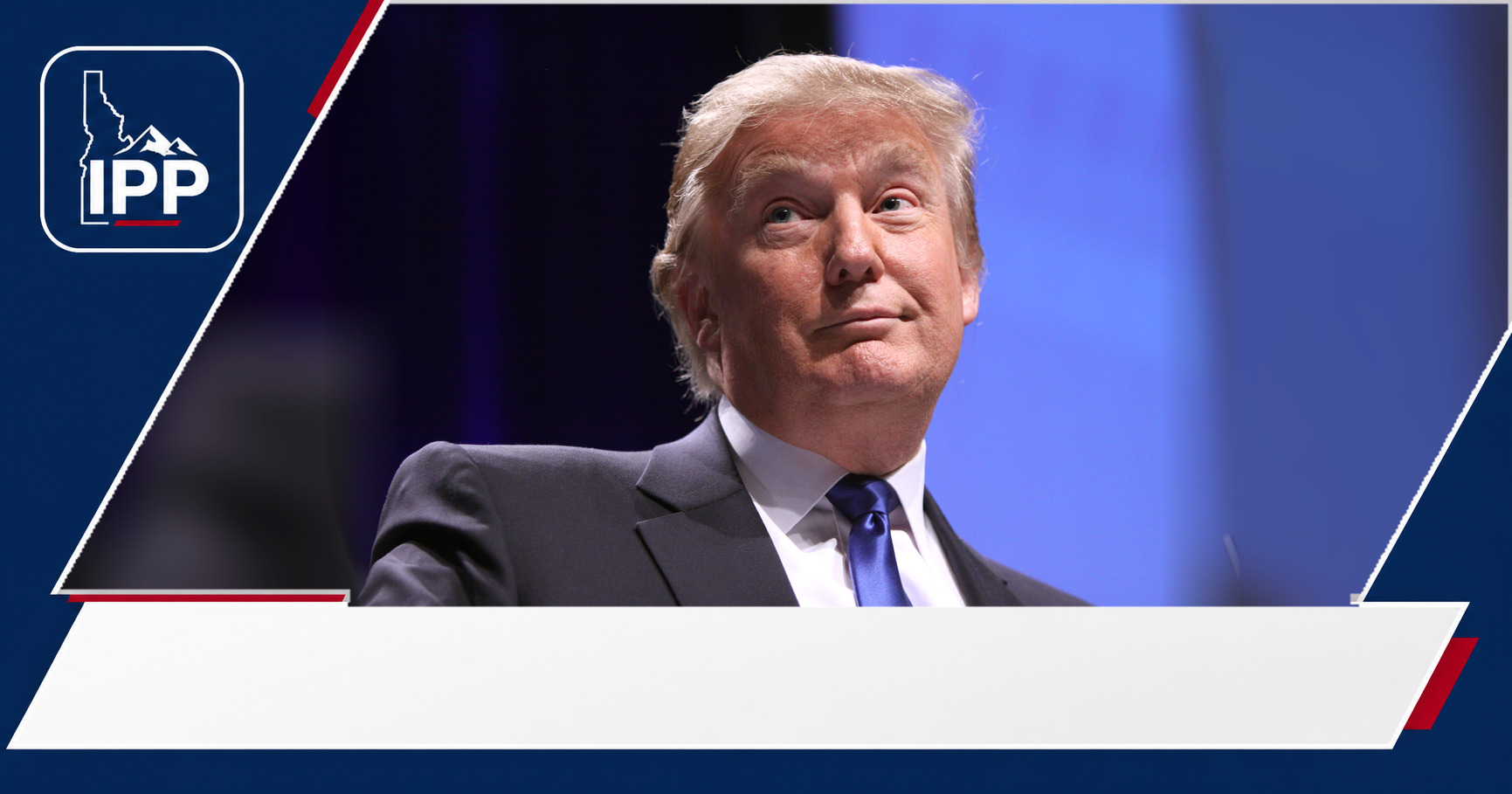
Donald Trump warned Iran on Monday that it has one last chance to make a deal, saying he wants to give Tehran “every last chance before decapitation.” The president also threatened severe retaliation or a major strike if Iran does not comply, while claiming U.S.-Iran talks are already underway.
The warning puts the United States and Iran back into a high-risk standoff over negotiations, the Strait of Hormuz and Tehran’s nuclear program. The immediate question is not just whether a deal exists, but whether both sides are even describing the same diplomatic reality.
A threat wrapped in diplomacy
Trump’s message, reported Monday by Reuters and NBC News, paired two sharply different signals: he said talks were happening, but also said time was running out for Iran to sign what he called a good document.
At the White House, Trump said the discussions were “going on right now,” according to NBC News. He framed the dispute as a problem of Iranian denial, saying the U.S. side was being straight about talks while Tehran was publicly rejecting the idea.
The most jarring line was his use of “decapitation.” Trump said, “This is a last chance for them to sign a good document,” and added that he wanted to give Iran “every last chance before decapitation,” NBC reported.
He did not, in the public remarks cited by the outlets, spell out exactly what “decapitation” would mean operationally. In national security language, the term can suggest an attack aimed at leadership or command structures, which is why the wording immediately raised the stakes.
Iran disputed the talks
Iran’s public account was different. Foreign Ministry spokesperson Esmaeil Baghaei said Iran was not currently negotiating with the United States, according to NBC News.
Baghaei said Tehran had no plans to host foreign delegations or send negotiators abroad in the coming days. He said Iran was instead speaking with Oman about a temporary safe route through the Strait of Hormuz.
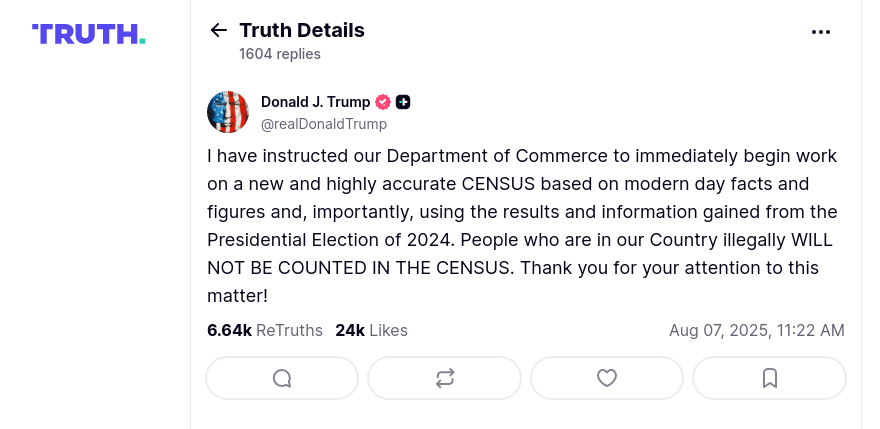
Trump responded on Truth Social by accusing Iranian leaders of being “unbelievably duplicitous.” He claimed Iran had asked for a meeting, that talks had begun and that more were scheduled, only for Tehran to say publicly that it was dealing only with Oman.
That split matters. In a crisis, indirect talks, back-channel messages and public denials can all be true in narrow ways. But when each side describes the process differently, the risk of miscalculation grows.
Hormuz is the immediate pressure point
The Strait of Hormuz sits at the center of the latest dispute because it is a key route for global maritime traffic. Trump said the first phase of talks involved getting the strait open to marine traffic “literally by tomorrow,” NBC reported.
Iran, by contrast, framed its current diplomacy around Oman and a temporary safe route through the strait. That suggests Tehran may be treating the shipping issue as separate from direct U.S. talks, or at least presenting it that way publicly.
The practical stakes are easy to understand. If vessels cannot safely move through Hormuz, the concern is not limited to Washington and Tehran. Shipping, energy markets and regional security all become part of the equation.
Trump said the second phase would focus on Iran’s nuclear program. That sequencing — shipping first, nuclear issues next — offers a rough outline of what Washington says it wants, even as Tehran rejects the premise that direct negotiations are underway.
The strike Trump says he paused
Trump also said he had called off planned attacks to allow room for a deal, according to NBC News. Speaking previously on Air Force One, he described the canceled strikes as potentially “the biggest attack since World War II.”
He said the United States was “holding” a massive attack, but that it could still happen “anytime we want.” That is classic coercive diplomacy: hold out talks, but make clear the military option remains available.
Supporters of that approach argue that pressure can force adversaries to negotiate seriously, especially when vital waterways and nuclear questions are involved. From that view, the threat is not separate from diplomacy; it is the leverage behind it.
The counterargument is that extreme language can narrow the room for compromise. If Iran believes the U.S. is preparing a leadership-targeting or regime-threatening strike, Tehran may harden its position rather than move quickly toward a deal.
Nuclear talks are still unresolved
Trump’s comments tie the crisis to Tehran’s nuclear program, but the available public accounts do not show a finished agreement or a clear deadline. NBC reported that Trump said Iran did not have a deadline to come to an agreement, even as he described the moment as a last chance.
That tension is important. “Last chance” suggests a final warning. Saying there is no deadline leaves open the possibility of more maneuvering, more indirect messages and more public pressure before any military decision.
The nuclear issue has long been the hardest part of U.S.-Iran diplomacy because it combines technical limits, verification, sanctions relief and regional security fears. None of those pieces can be solved by rhetoric alone.
What is new in this moment is the way Trump linked the nuclear track to immediate claims about Hormuz and possible strikes. That makes the standoff broader and more volatile than a single negotiating dispute.
What remains unclear
Several basic facts remain contested. The U.S. side, through Trump’s remarks, says talks are happening. Iran says it is not negotiating with America and is dealing with Oman on a safe route through the strait.
It is also unclear what document Trump wants Iran to sign, what terms are on the table, and who is communicating with whom. Public references to Oman point to at least some diplomatic channel, but not necessarily the direct U.S.-Iran talks Trump described.
The meaning of “decapitation” is another unresolved point. It may have been intended as a blunt threat meant to pressure Tehran, but in a military crisis, words like that can be read as signaling a specific kind of attack.
The clean takeaway is that Trump is trying to present Iran with a choice: make a deal or face the possibility of a major U.S. strike. Iran is trying to control the public narrative by denying direct negotiations. Between those positions sits a dangerous diplomatic gap, with Hormuz, the nuclear program and military escalation all moving at once.





Leave a Reply