
The Maine Republican’s decision puts fresh pressure on undecided GOP senators and turns the Justice Department nomination into a test of party loyalty, institutional independence and abortion politics.
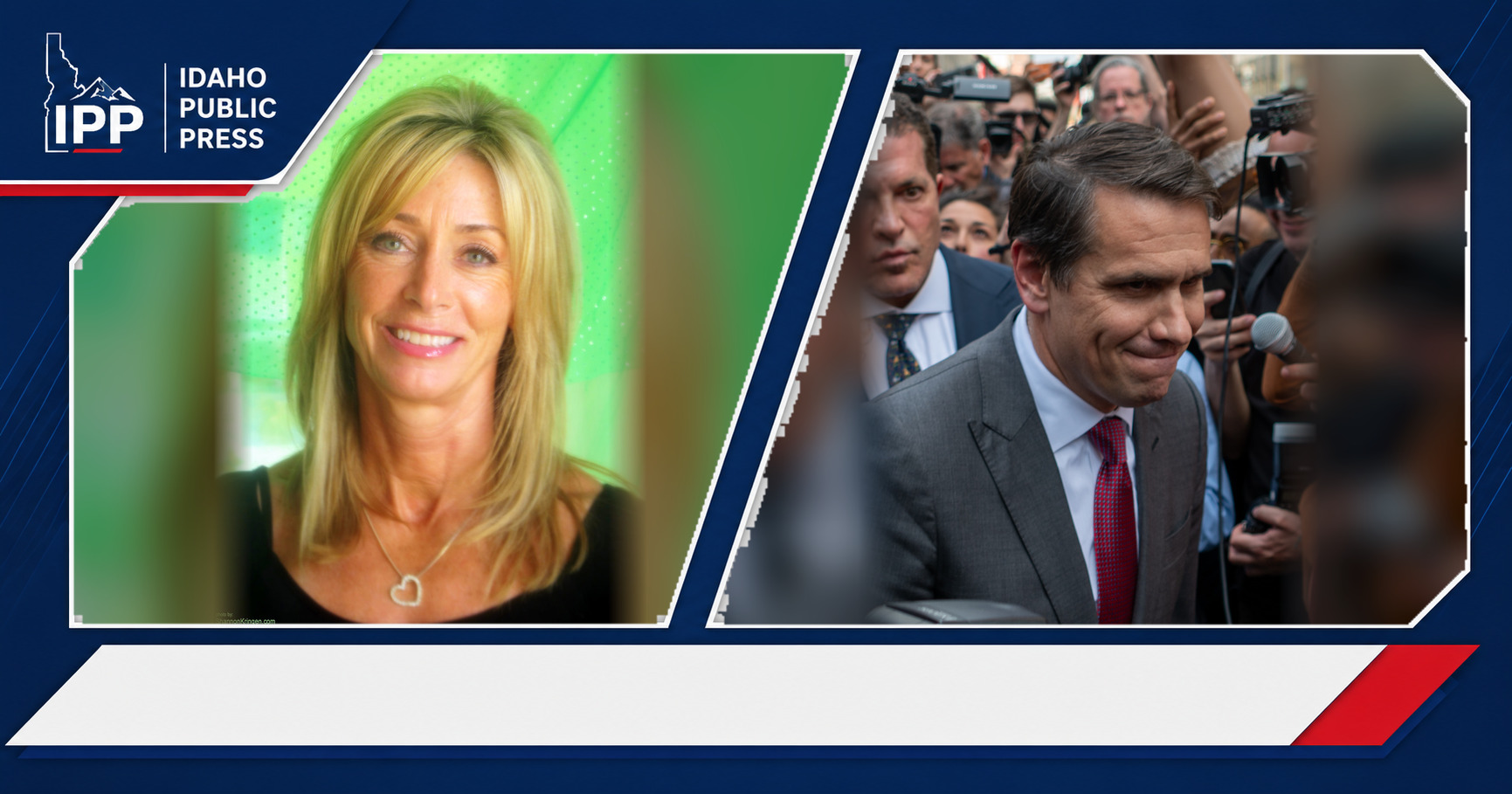
Susan Collins said Tuesday she will vote against Todd Blanche’s confirmation as attorney general, a direct break by the Maine Republican that could jeopardize his path to confirmation. Todd Blanche is Donald Trump’s pick to lead the Justice Department, and Collins’s decision means the Senate confirmation fight now turns to other Republicans still weighing whether to back him. For Trump’s team, Collins drops the margin for error to almost nothing.
Collins’s move is not just another procedural snag. It puts questions about Department of Justice independence, abortion medication policy and Trump’s influence over federal law enforcement at the center of a nomination fight that had already become a loyalty test for Senate Republicans.
Why Collins broke ranks
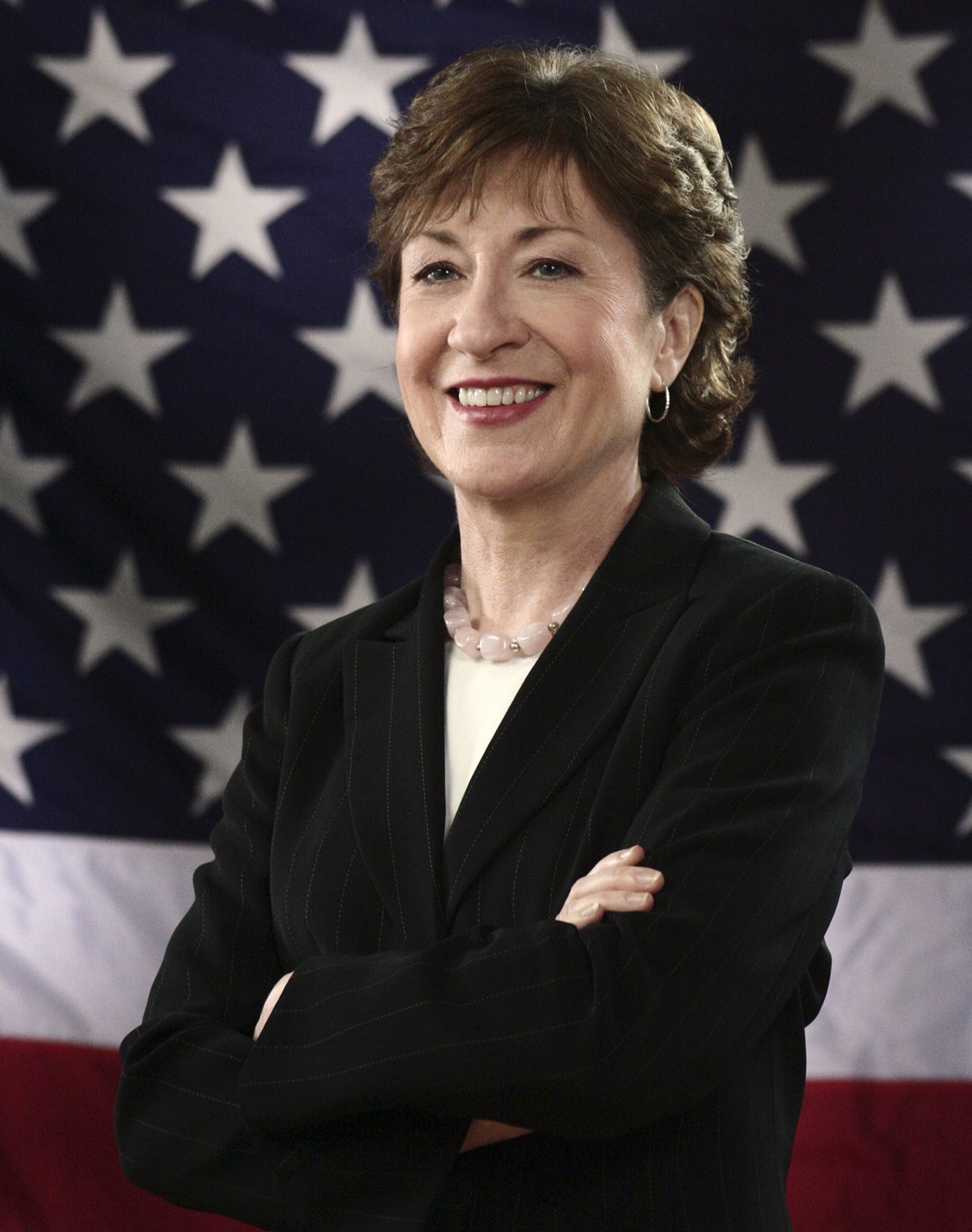
According to Politico, Collins said in a statement that she would oppose Blanche because of “several actions that have further eroded the Department’s independence.” That phrase is doing a lot of work.
The Justice Department is part of the executive branch, but its credibility depends on the perception that prosecutions, settlements and enforcement decisions are not simply political favors or punishments. A senator can support a president’s general right to choose advisers while still balking at a nominee viewed as too closely aligned with that president’s personal interests.
Collins specifically cited Blanche’s role in a controversial IRS settlement involving Trump, Politico reported. She also pointed to his having promised an anti-abortion organization that he would seek to prohibit the mailing of abortion medication to women nationwide.
Those objections frame her opposition around institutional independence and policy reach, not merely personal dislike or routine partisanship. That distinction matters because Collins is a Republican, and her vote gives political cover to any other GOP senator who may be uneasy but has not yet taken a public position.
The vote count gets tighter
The immediate problem for Blanche is math. Politico reported that two other Republicans, Bill Cassidy of Louisiana and Lisa Murkowski of Alaska, are still known to be undecided, and that Blanche needs one of their votes to secure confirmation.
That makes Collins’s announcement more than symbolic. If Cassidy or Murkowski also comes out against him, the nomination could stall or fail unless supporters find another path.
For Senate leaders, the challenge is not only getting to a majority. It is preventing one public defection from becoming permission for others to follow. Confirmation fights often turn quickly once senators decide the political cost of opposing a nominee is manageable.
For Blanche, the narrow path means every unanswered concern becomes more consequential. A nominee with room to spare can survive a messy paper trail. A nominee who needs a single undecided Republican cannot treat doubts as background noise.
Blanche faces an independence test
The attorney general is not a normal Cabinet job. The person leading the Department of Justice oversees an institution expected to enforce federal law while resisting overt political pressure from the White House.
Every president wants an attorney general who shares broad priorities. The harder question is whether the nominee would say no when the law, the facts or the department’s norms point in a different direction.
That is why Collins’s reference to DOJ independence lands with force. Her statement suggests she sees Blanche not simply as a conservative nominee, but as someone whose past actions raise doubts about whether he would protect the department’s autonomy.
Blanche’s supporters are likely to argue the opposite: that a president is entitled to nominate someone who will carry out the administration’s agenda and that policy alignment is not the same thing as politicization. That argument has weight in ordinary Cabinet politics. It becomes more complicated at Justice, where independence is part of the job’s public legitimacy.
Abortion medication enters the fight
Collins’s second cited concern pushes the nomination into one of the country’s most combustible policy debates: abortion medication. Politico reported that she objected to Blanche having promised an anti-abortion organization that he would seek to prohibit the mailing of abortion medication to women nationwide.
That issue is especially sensitive because it reaches beyond states that have restricted abortion. A nationwide mail prohibition would affect access even in places where abortion remains legal, making it a federal enforcement question rather than only a state policy fight.
For abortion opponents, using federal authority to restrict mailed abortion medication may look like a legitimate enforcement priority. For abortion-rights supporters and some institutionalists, it raises concerns about using the Justice Department to impose a sweeping policy through prosecutorial choices.
Collins has often occupied a more moderate lane on abortion than many Republicans. Her decision to highlight this point signals that Blanche’s nomination is vulnerable not only on ethics and independence grounds, but also on how aggressively a Trump Justice Department might pursue abortion-related enforcement.
Collins also has Maine in mind
Politico noted that Collins is facing a difficult race for reelection. That does not make her position unserious, but it does make the politics impossible to ignore.
Maine has rewarded Collins for decades in part because she has cultivated an image of independence from her party’s national leadership. A vote against Trump’s choice for attorney general fits that brand, especially if she can ground it in concerns about the Justice Department rather than in a personal clash with the president.
Still, the politics cut both ways. Trump remains dominant inside the Republican Party, and opposing one of his nominees can anger the voters and activists most loyal to him. Collins’s calculation appears to be that the risk of looking too deferential on DOJ independence may be greater than the risk of crossing Trump on this nomination.
That is why her no vote matters beyond the roll call. It shows one of the Senate’s most closely watched Republicans drawing a line where legal independence, abortion access and Trump-era loyalty politics overlap.
What remains uncertain
The next question is whether Cassidy or Murkowski follows Collins, backs Blanche or keeps the nomination suspended in uncertainty. Their decisions will determine whether Collins’s opposition is a warning flare or the beginning of a collapse.
It is also not yet clear whether Blanche or the White House can reassure wavering senators. They may try to emphasize qualifications, argue that Collins’s concerns are overstated, or offer commitments about how Blanche would run the department.
But public commitments can only do so much when the core issue is trust. Senators are being asked to decide whether Blanche would maintain the Justice Department’s credibility while serving a president who has repeatedly made DOJ a political flashpoint.
For now, Collins has changed the shape of the fight. Trump’s pick to lead the Justice Department is still alive, but the nomination no longer looks like a glide path. It is a test of whether Senate Republicans are willing to absorb concerns from one of their own — or close ranks and push Blanche through anyway.








Leave a Reply