
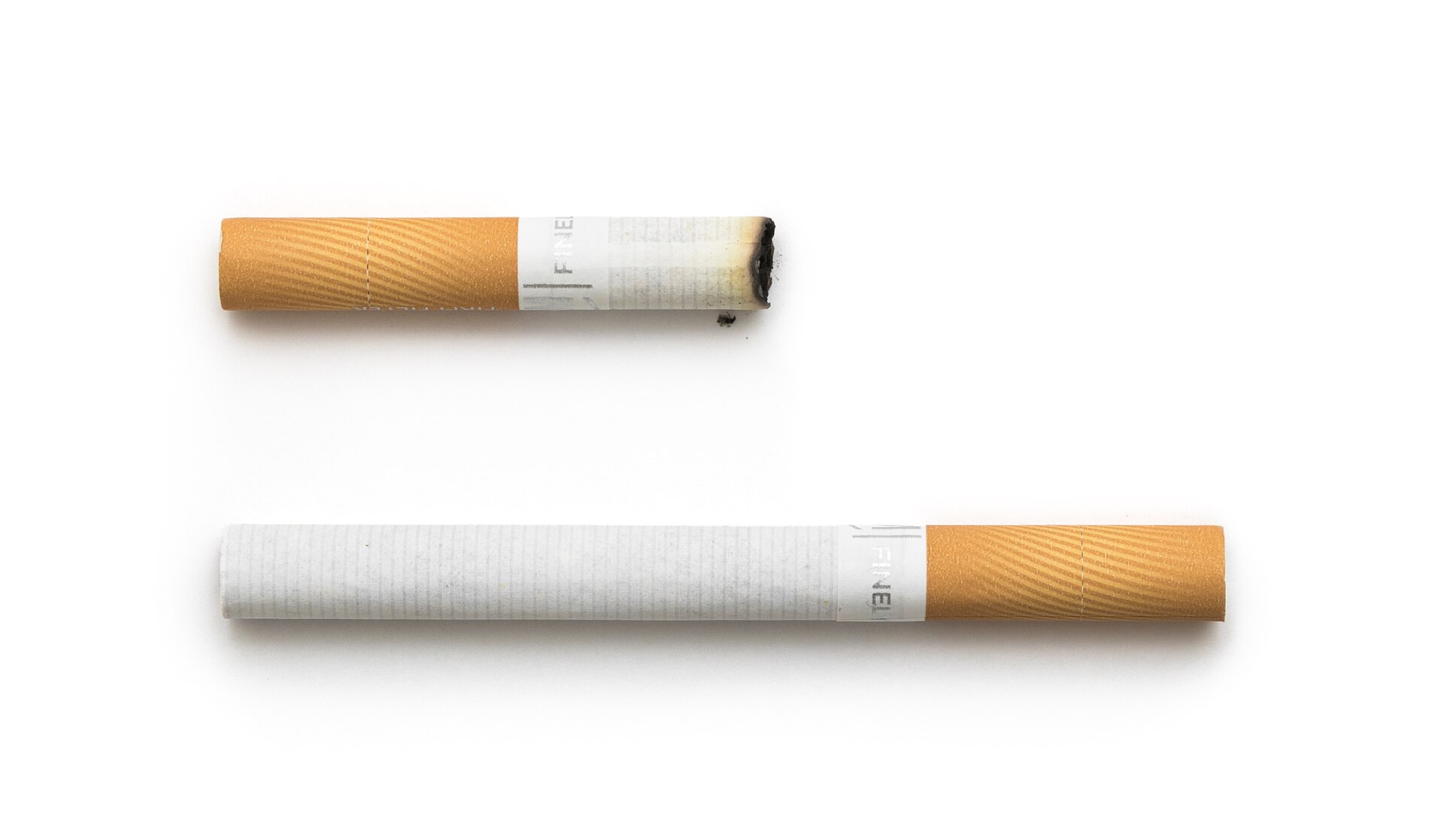
The reversal captures two trends at once: cannabis has moved further into the mainstream while cigarette smoking keeps losing ground. But the numbers also show alcohol remains far more widely used.
Marijuana use surpassed cigarette smoking in the United States, a new study found, giving fresh meaning to the phrase “Marijuana use trumps cigarettes.” The 2025 National Survey on Drug Use and Health, released July 28 and reported Aug. 3, 2026, with an Aug. 4, 2026 update, compared people ages 12 and up: 43.8 million used marijuana regularly versus 36.1 million who smoked cigarettes. Among adults 18 to 25, marijuana use reached 8.4 million; cigarette use was highest among adults 26 and up, at 32.2 million.
The Substance Abuse and Mental Health Services Administration conducted the annual survey of around 60,000 Americans. The finding matters because it marks a cultural reversal: cigarettes are no longer the more common of the two habits, even as nicotine vaping and alcohol remain major parts of the country’s substance-use picture.
A reversal in everyday use
The headline number is simple: more Americans reported regular marijuana use than cigarette smoking in 2025. That does not mean marijuana is the most widely used substance in the country, and it does not prove why the change happened. It does show that the old hierarchy of legal and illegal substances has shifted.
The National Survey on Drug Use and Health is a major federal snapshot of self-reported behavior among the U.S. civilian, noninstitutionalized population age 12 and older. According to SAMHSA, it tracks substance use, mental health, treatment, recovery and related conditions across the country.
Because the survey is self-reported, it reflects what people say they used, not a medical test or sales record. Still, with about 60,000 respondents, it is one of the government’s most important tools for measuring national patterns.
Young adults drove cannabis numbers
The age split is one of the most revealing parts of the survey. Marijuana use was highest among adults 18 to 25, with 8.4 million people in that group reporting regular use. Cigarette smoking, by contrast, was highest among adults 26 and older, at 32.2 million people.
That divide suggests the marijuana-cigarette reversal is also generational. Cigarettes are still heavily concentrated among older adults, while marijuana use is more prominent among younger adults who came of age during a period of rapid cannabis legalization and broader social acceptance.
The survey also shows that “marijuana use” is not a single behavior. Smoking was the most common mode of marijuana use, followed by edibles, vaping, dabs, waxes and concentrates. That matters because cannabis is now consumed through a wider range of products than the traditional joint or pipe.
Nicotine has also changed shape. Beyond cigarettes, 29.3 million Americans ages 12 and up reported regular nicotine vaping use, according to the survey. So while cigarette smoking is behind marijuana in this comparison, nicotine use has not disappeared.
Legalization is only part of it
The survey does not say why marijuana use surpassed cigarette smoking in 2025. The timing, though, lines up with a major policy shift across the states.
According to the National Conference of State Legislatures, 41 states have legalized medical marijuana and 24 states have legalized recreational use. Medical and recreational marijuana are both legal in Washington, D.C.
That does not mean legalization alone caused the shift. Cigarette use has been pressured for decades by taxes, smoke-free laws, warning labels, lawsuits, advertising restrictions and changing social norms. Cannabis, meanwhile, has moved in the opposite direction in many states: from prohibition toward regulated access.
There are competing ways to read the change. Cannabis advocates may see it as evidence that marijuana has become a mainstream adult product. Public-health officials may see a more complicated picture, especially because smoking remains the most common way people use marijuana and because high-potency products are part of the modern market.
Alcohol still towers above both
The marijuana-cigarette comparison is striking, but it should not be mistaken for the full substance-use landscape. Alcohol remains far more widely used than either marijuana or cigarettes.
In 2025, 129.1 million Americans ages 12 and up reported drinking alcohol, according to the same federal survey. Of that figure, 44% were monthly binge drinkers.
The survey defines binge drinking differently by sex: five or more drinks for men on one day in the past 30 days, and four or more drinks for women on one day in the past 30 days. Those numbers put the marijuana-cigarette reversal in perspective. Cannabis may have overtaken cigarettes, but alcohol still sits in a much larger category of use.
That broader view also helps explain why policymakers rarely look at one substance in isolation. Tobacco control, cannabis regulation, alcohol policy and vaping rules increasingly overlap in debates over youth access, advertising, taxation and public-health messaging.
What the survey can’t answer
The National Survey on Drug Use and Health is valuable because it measures large national patterns over time. But it is not designed to answer every question raised by the marijuana-cigarette crossover.
It does not prove whether people are substituting marijuana for cigarettes, using both, or moving between different products depending on age, access and state law. It also does not tell readers whether marijuana use is safer or riskier than cigarette smoking. It is a prevalence survey, not a health-risk ranking.
That distinction matters. Cigarettes remain strongly associated in public-health messaging with long-term disease and death, while cannabis policy is still fragmented and fast-moving. A higher use count does not settle debates over impairment, potency, addiction risk, youth use or medical access.
The clean takeaway is narrower but important: in the United States in 2025, regular marijuana use was reported by more people than cigarette smoking. The country’s old substance-use map has changed, and the next fight is over how public policy catches up without pretending the numbers are simpler than they are.










Leave a Reply