
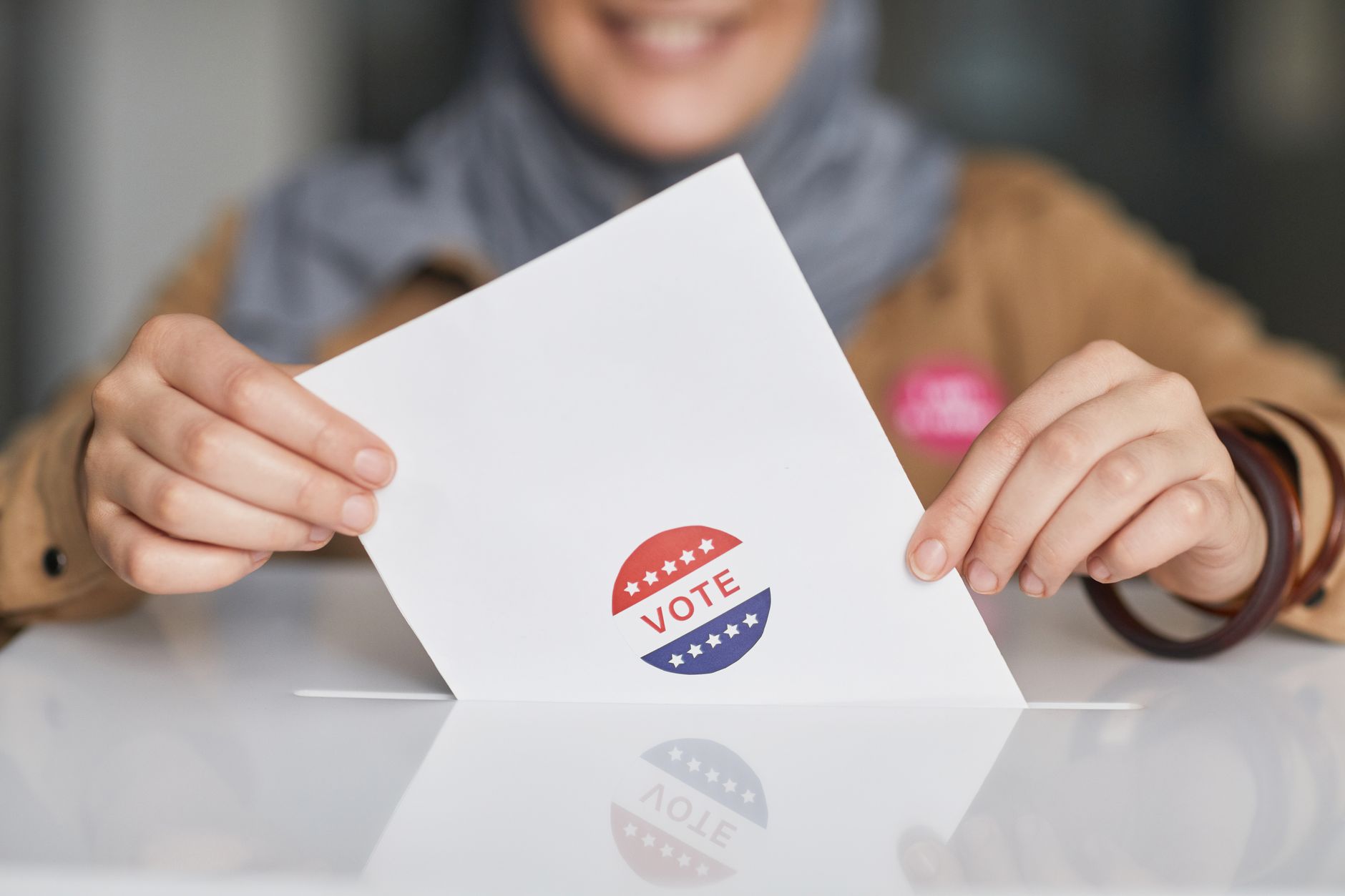
The first results are not just about individual nominees. They are a measure of how far Democratic voters want to push the party left in competitive Midwest races.
First polls close in Tuesday’s primary elections as polls are closing in key states, and socialist insurgents are seeking gains in the Midwest while the Democratic Party is split in an internal fight over ideology, electability and control. The primary challenges matter because Democratic moderates and left-aligned candidates are fighting over who can win in November.
The earliest returns will not settle the party’s argument by themselves. But they could show whether progressive anger at the establishment is translating into votes in a region Democrats cannot afford to misread.
Early returns, larger stakes
The Associated Press is tracking Aug. 4, 2026, primary results in Kansas, Michigan, Missouri, Virginia and Washington, with Michigan drawing particular attention because Democrats there are choosing between moderate and progressive options in a Senate contest, according to AP’s elections page.

That makes the first wave of vote totals a political stress test, not just an election-night scoreboard. If left-aligned challengers overperform, activists will argue the party’s base wants sharper economic populism and a more confrontational posture toward Republicans. If moderates hold, party leaders will read it as evidence that voters are still prioritizing general-election risk.
The Midwest is central to that argument because it is both symbolic and practical. It includes states where Democrats need urban turnout, suburban comfort and working-class credibility at the same time. A candidate who thrills one part of the coalition can still worry another.
Why the Midwest matters
PBS, carrying Associated Press reporting, described the Midwest as the next theater in the Democrats’ progressive-versus-moderate fight, citing races in Michigan, Wisconsin and Minnesota as gauges of frustration with the party establishment. The report said those contests may also test the electability of hard-left candidates.
That is the core tension behind the phrase Democratic civil war. It is not one clean fight between two fixed camps. It is a rolling argument over how Democrats should talk about wealth, corporations, Israel and Gaza, policing, immigration, climate, labor power and Donald Trump’s Republican Party.
In safe blue districts, ideological risk can look different. In the Midwest, the same message may have to travel through college towns, union households, Black urban precincts, immigrant communities, affluent suburbs and rural counties where Democrats have struggled. That is why primary-night margins can shape donor behavior, endorsements and national committee attention long before November.
Moderates warn about November
The moderate argument is straightforward: winning a primary is not enough if the nominee becomes easier for Republicans to define in the general election. Democratic leaders cited in AP reporting have worried that insurgent candidates could damage the party’s brand and imperil winnable races if their messages are seen as too far left.
That concern is especially sharp in Senate and House races where control of Congress may turn on a handful of seats. Moderates often present themselves as candidates who can hold together voters who dislike Republican leadership but are wary of sweeping ideological labels.
They also point to campaign mechanics. Television ads, opposition research and outside spending can turn a primary slogan into a general-election liability. A candidate who identifies with democratic socialism, or is successfully branded that way, may spend months answering attacks instead of defining an agenda.
Progressives see a mandate
The insurgent case starts from a different diagnosis. Progressive candidates and their supporters argue that Democrats have lost trust by sounding too cautious, too corporate or too willing to compromise before the fight begins.
In Minnesota, PBS reported that U.S. Rep. Angie Craig and Lt. Gov. Peggy Flanagan have clashed over electability, corporate ties and who is more willing to fight the Trump administration in Washington. That race has drawn millions of dollars in political advertising, according to the report, underscoring how national the intraparty debate has become even when the ballots are local.
For the left, the word electability can sound like a warning label used to protect incumbents and preferred establishment candidates. Their counterargument is that voters who feel squeezed by housing costs, health care bills, student debt and stagnant wages may respond to candidates who speak more bluntly about corporate power.
That is why tonight’s returns matter beyond any single candidate. The question is whether progressive energy is concentrated among activists and online donors, or whether it has broadened into a primary electorate large enough to defeat better-known, better-funded moderates.
The label is part of the battle
The phrase socialist insurgents carries political weight. Some candidates embrace democratic socialist politics; others are progressive but do not use that label. Opponents often blur those distinctions because the word socialist can be powerful in paid ads and cable-news framing.
That makes interpretation tricky. A left-aligned candidate losing does not automatically mean voters rejected every progressive idea. A left-aligned candidate winning does not mean every Democrat in the state wants the party to move sharply left. Primaries are shaped by turnout, name recognition, local alliances, union endorsements, money and the number of candidates splitting the vote.
Still, labels matter because politics is partly about shortcuts. Moderates want to convince primary voters that Republicans will weaponize those shortcuts in November. Insurgents want to prove that a bold economic message can survive the attack and motivate people who might otherwise stay home.
What to watch next
Early results can mislead, especially when different kinds of ballots report at different times. Urban precincts, absentee votes and election-day votes may come in uneven waves. That is why the first polls closing is a beginning, not a verdict.
Several signals will matter as the night develops:
- Margins in urban centers: Left-aligned challengers need strong numbers in progressive-heavy precincts, but landslides there may not be enough.
- Suburban performance: Moderates will look for evidence that voters in swing suburbs are sticking with candidates they see as safer for November.
- Turnout patterns: A low-turnout primary can magnify activist strength, while broader participation may favor candidates with wider name recognition.
- Outside spending effects: Heavy ad campaigns can define candidates quickly, but they can also trigger backlash if voters see them as establishment pressure.
The clean takeaway is that Democrats are using Midwest primaries to answer an uncomfortable question: whether the party’s path back to power runs through sharper ideological contrast or broader ideological caution.
Tonight’s results may not end that fight. They will show which side has momentum, where the coalition is straining and whether socialist-aligned insurgents can turn a Democratic argument into actual Midwest gains.




Leave a Reply