

The fires tore through neighborhoods in eastern Washington, leaving some blocks reduced to ash while others were narrowly spared. Cooler weather helped crews, but officials said containment remained at zero.
Washington state wildfires destroyed hundreds of structures and the fires forced evacuation of 60,000 people in the Spokane area, where residents in eastern Washington state returned Monday to homes leveled by fire. Officials said at least 600 buildings were destroyed as the Washington state fires burned about 12.5 square miles, or 32 square kilometers, around Spokane.
The damage matters now because the Spokane-area wildfires were still reported completely uncontained, even as lighter winds and lower temperatures gave firefighters a narrow opening. No deaths or major injuries had been reported so far, but the scale of loss is already reshaping neighborhoods.
Blocks burned, others spared
The fire damage around Spokane has been described less like a single burn scar and more like a jagged line through daily life. In some neighborhoods, chimneys stood where homes had been. Vehicles were blackened, plastic bins melted, and yards were covered in charred debris.
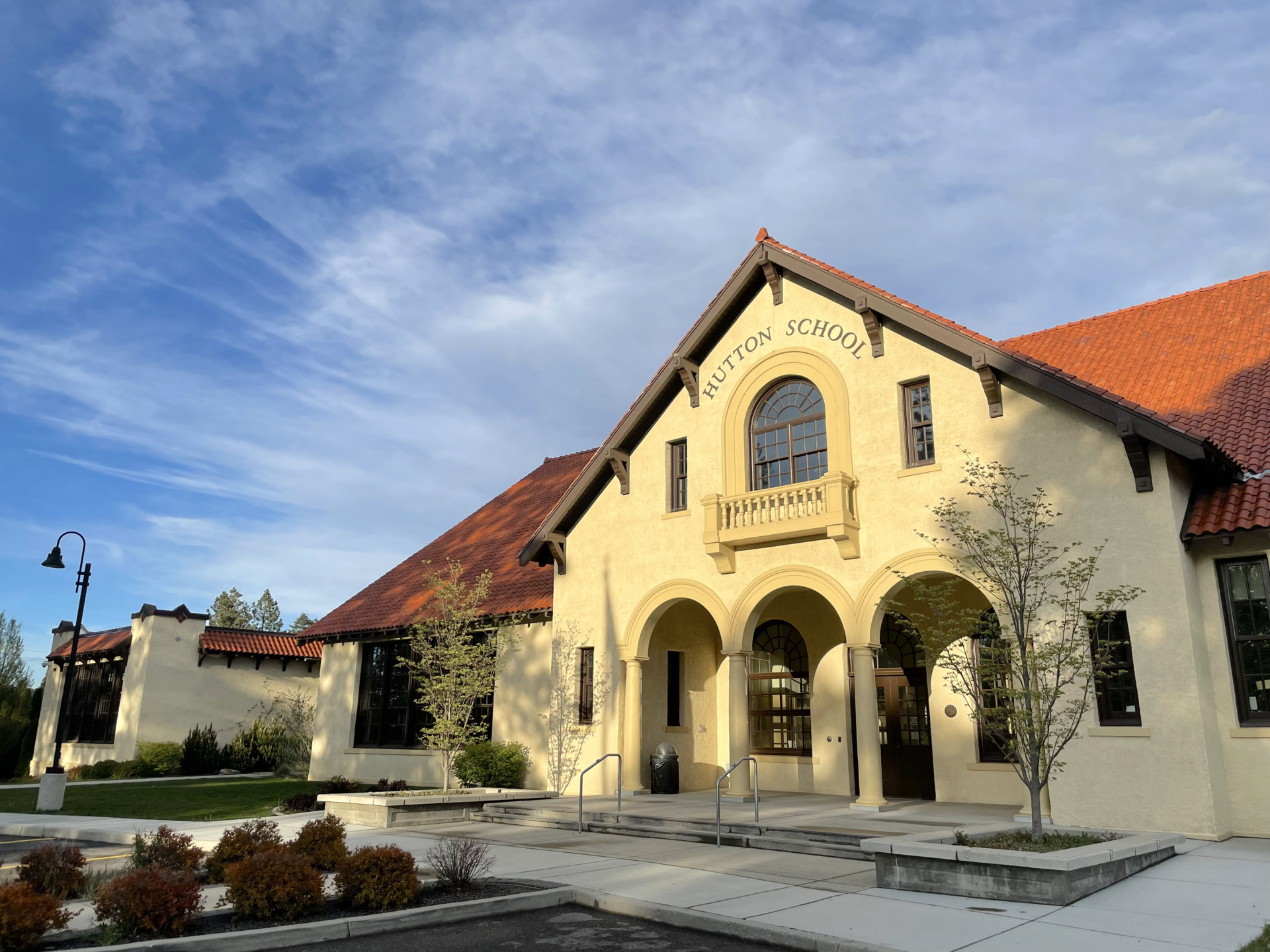
Across the street from some destroyed houses, other lawns stayed green and homes remained standing. Residents who stayed close enough to return were seen running hoses or sprinklers, trying to keep embers from turning spared properties into the next loss.
That uneven pattern is common in wind-driven wildfires. Flames can move quickly through dry grass, brush and fences, then leap past one structure while igniting another. For residents, the result can feel arbitrary: one family loses nearly everything while a neighbor’s home survives intact.
The Associated Press reported that some people came back to neighborhoods where only ruins were left. Miriam and Daniel Sim, both 76, found the Spokane home they had lived in since 2005 destroyed. Their reaction captured a question many survivors now face: whether rebuilding is financially, physically and emotionally possible.
Evacuations reached a huge scale
Authorities said roughly 67,000 people were under evacuation orders in the Spokane area, a figure that underscores how quickly a local fire can become a regional emergency. The evacuations included patients at a U.S. Veterans Affairs hospital, according to officials cited by AP.
About 400 people were staying at Spokane’s main convention center, which had been converted into a shelter. Spokane Public Schools also opened a free emergency drop-in camp for children, giving displaced parents at least one immediate place to turn while they dealt with housing, insurance, pets, work and missing belongings.
Even when evacuation orders lift, returning home can be complicated. Burned neighborhoods may have downed power lines, unstable chimneys, damaged gas lines, hot spots and debris that is hazardous to search through without protective gear.
The human toll is also not measured only in structures. Families fled with minutes to spare, often grabbing photos, documents or heirlooms while leaving most possessions behind. Online appeals for clothing, money and basic supplies began circulating for people who were away when the fire hit or who escaped with little more than what they could carry.
No deaths reported so far
One of the most important developments Monday was what officials had not reported: no deaths and no major injuries so far. That does not erase the destruction, but it suggests evacuation warnings and emergency response may have prevented the disaster from becoming deadlier.
The Spokane County Sheriff’s Office said the county initially received nearly 300 reports of missing people. By Monday, authorities had cleared all but 14 of those reports, Cpl. Mark Gregory told AP.
Officials said the remaining reports may involve people who had evacuated but had not yet been able to contact friends or relatives, rather than people confirmed to be in danger. That distinction matters in a fast-moving disaster, when cell service, power outages, blocked roads and scattered shelter plans can make communication difficult.
Still, the remaining uncertainty keeps pressure on emergency crews. Search, welfare checks and evacuation enforcement all compete with the firefighting work happening at the same time.
Firefighters got a brief break
By Monday, lighter winds and lower temperatures had arrived around Spokane, helping firefighters after a weekend when flames spread across a dry landscape. But officials with the Washington State Department of Natural Resources said the Spokane-area wildfires were completely uncontained.
That combination — better weather but zero containment — is the tension at the center of the response. Cooler conditions can slow fire behavior and improve visibility, but containment means crews have built and held control lines around part of the fire. Without that, a shift in wind or heat can quickly change the outlook.
Authorities also warned people not to fly drones near burned areas. Drone flights can ground helicopters and other aircraft used for water drops, mapping and rescues. In a fire fight where aircraft may be one of the fastest tools available, a private drone can create dangerous delays.
The cause of the Spokane-area fires had not been determined. That leaves a major question for investigators, insurers and residents: whether the fires began from lightning, equipment, power infrastructure, human activity or another source.
A wider Western fire strain
The Spokane fires are part of a broader pressure point across the West. AP reported that dozens of fires were stretching federal, state and local firefighting agencies, with at least 390 square miles burned across Washington.
Other states were facing major blazes at the same time. In western Idaho and eastern Oregon, crews using bulldozers and helicopters were fighting a fire that had burned nearly 525 square miles of grassland and was threatening hundreds of homes and other structures. Officials said that fire was caused by lightning.
In central Utah, a fire more than doubled in size over the weekend and was moving toward Fillmore, a town of about 2,600 people. Mandatory evacuations were ordered for the southern portion of the town, and local law enforcement said more than 100 cattle had been killed.
The National Weather Service issued air quality warnings across the Northwest, along with red flag fire warnings in parts of Utah, Montana and western Nebraska. Extreme heat warnings also covered parts of Arizona, California, Nevada and northern Montana, showing how fire risk, smoke and heat can overlap across a huge region.
Recovery starts before containment
For Spokane-area residents, recovery is beginning while the emergency is still active. Some people are checking whether their homes survived. Others are learning that their neighborhoods are gone. Many are waiting for official permission to return.
The next phase will likely involve damage assessments, insurance claims, debris removal, utility repairs and longer-term housing decisions. Those processes can take months or years after major wildfires, especially when hundreds of structures are destroyed in the same area.
Local services are already adjusting. Trials at the county court were pushed to Aug. 10, and schools and city facilities were repurposed for emergency needs. Those disruptions are small compared with the loss of homes, but they show how a fire can quickly spread into every part of civic life.
The clearest takeaway is also the hardest one: the Spokane-area fires have already produced a major disaster even without reported fatalities. The immediate priorities remain containment, safe returns and locating the few people still not accounted for. After that comes the longer test — whether devastated neighborhoods can rebuild, and what residents decide is worth rebuilding after the flames are gone.










Leave a Reply