
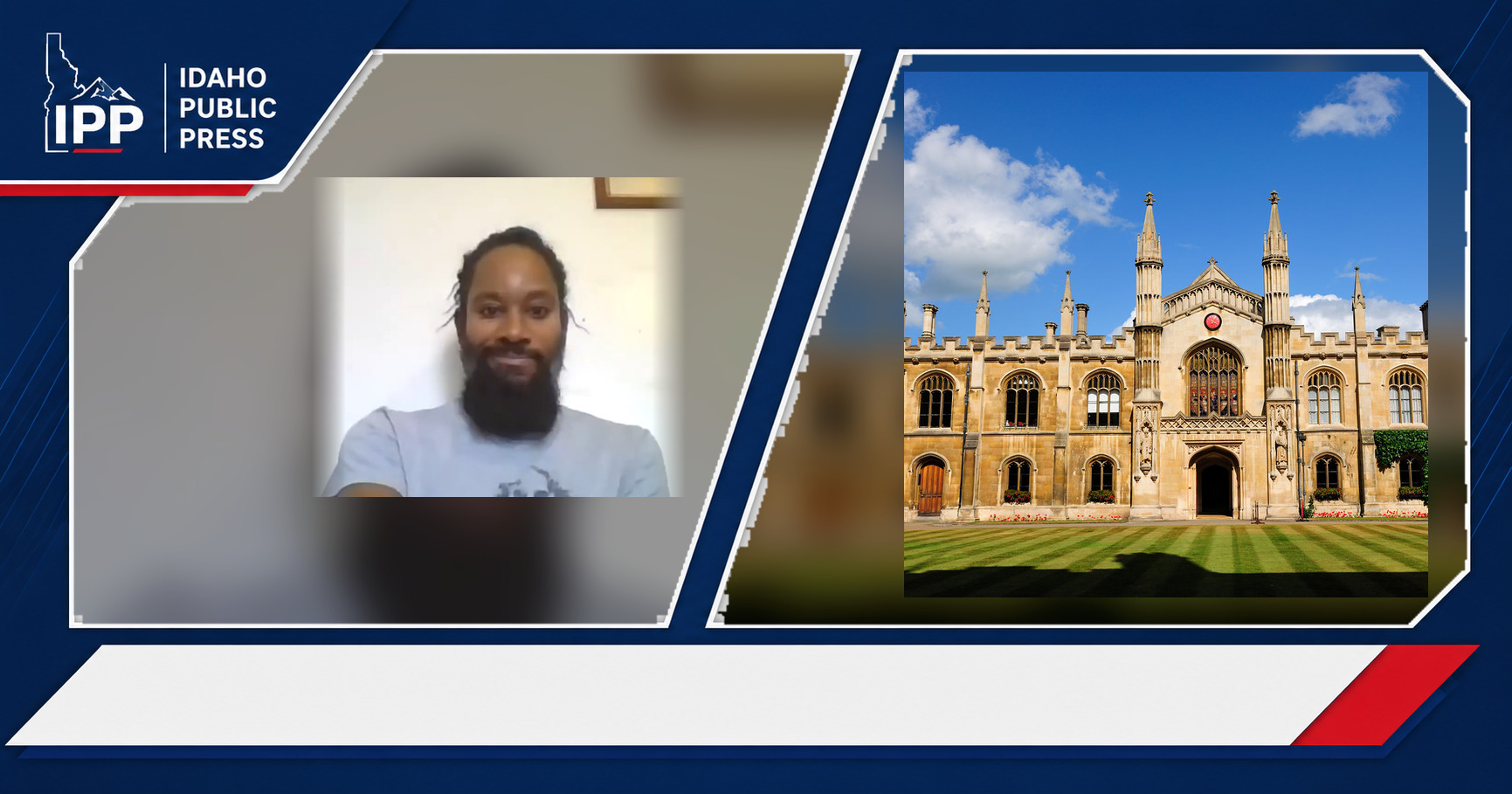
Arday’s death has put renewed focus on a bitter academic dispute, the toll of public scrutiny and the questions Cambridge still faces about his appointment. The allegations remain contested, and several reviews were underway.
Jason Arday, a former University of Cambridge professor, was found dead in south London about one week after resigning from his Cambridge position. His resignation followed plagiarism allegations that Arday denied, and police said his death is being treated as unexpected but is not believed to be suspicious.
The death of the 41-year-old sociologist of education has turned an already charged academic dispute into a wider reckoning over how claims are investigated, amplified and discussed in public. It also leaves key questions about Arday’s work and his appointment unresolved.
A sudden death after resignation
Emergency services were called to an address in Battersea, south London, on Friday afternoon, where a man was found unresponsive, according to the Metropolitan Police. The BBC reported that Arday was later identified as the person found dead.
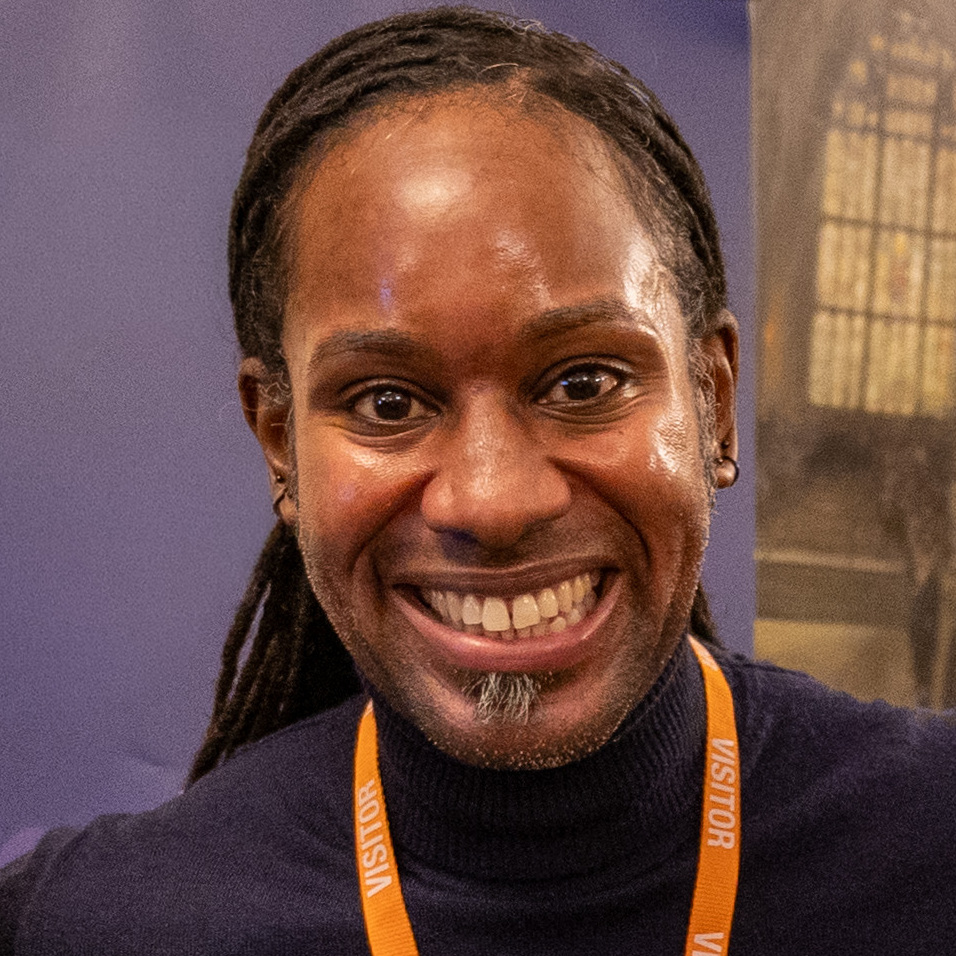
Police said the death was unexpected but not believed to be suspicious. No official cause of death was included in the information reported, and it would be wrong to draw conclusions beyond what authorities have said.
Arday’s family said they were shocked to have lost an “amazing father, partner, brother, uncle and son.” In a statement reported by the BBC, they said a campaign of misinformation had been too much for him. That is the family’s view of the circumstances surrounding a period of intense scrutiny, not an official finding on the cause of his death.
The allegations Arday disputed
Arday resigned as Cambridge’s professor of sociology of education after allegations involving plagiarism and questions about elements of his academic record. The complaints were raised publicly by Nathan Cofnas, a former Cambridge academic who described himself as a race realist.
Arday denied plagiarizing work. He did acknowledge errors in earlier academic work and said his autism had affected how he processed and used information, including through mimicry. He argued that the controversy had moved beyond legitimate scholarly criticism into personal attacks and relentless public speculation.
That distinction matters. An allegation, an admitted error and a formal finding of plagiarism are not interchangeable. The public debate around Arday often treated those categories as if they were the same, while the available institutional responses were more complicated.
Reviews produced a mixed picture
Liverpool John Moores University, which awarded Arday his PhD in 2015, reviewed concerns about his thesis and concluded that he had not plagiarized work, according to Cambridge’s earlier statements cited by the BBC. Journals connected to some of the claims were also involved in examining material.
At the same time, Cambridge announced an independent investigation into Arday’s appointment after concerns were raised within and outside the university. University vice-chancellor Deborah Prentice said the review should be thorough, transparent and conducted by senior academics from within and beyond Cambridge.
The University of Glasgow, where Arday previously worked, also said it would review his earlier academic work. Those inquiries mean the record was still under examination when news of his death emerged.
None of that makes scrutiny itself improper. Universities need credible processes for examining questions about qualifications, publications and hiring. But the existence of an inquiry does not settle its outcome, and a fair process depends on keeping evidence, allegations and conclusions clearly separate.
Cambridge’s prominence shaped the fallout
Arday’s 2023 appointment was celebrated because he became Cambridge’s youngest Black professor at age 37. The milestone carried significance well beyond one department: Black professors make up only about 1% of professors at UK universities, according to the BBC’s report.
That visibility made the dispute larger than an internal academic disagreement. Supporters saw a scholar facing an unusually harsh public response; critics questioned whether Cambridge had adequately examined his credentials and publications before making such a high-profile appointment.
Cambridge now faces pressure from both directions. It will be expected to explain how it assessed Arday’s appointment while also confronting whether its support systems were adequate once the controversy became public and personal.
Those are related but distinct institutional questions. A university can be obliged to investigate serious claims and still owe a staff member dignity, procedural fairness and meaningful support while that investigation is underway.
Public criticism has real limits
Arday said shortly before his resignation that the personal cost of the controversy had become too great. He said criticism was an inevitable part of academic life, but that what he experienced went beyond scholarly disagreement.
His friend, Professor Kehinde Andrews, told BBC Newsnight that Arday had been deeply distressed after leaving Cambridge. Education Secretary Lucy Powell also urged people to remember that public controversies involve real people and their loved ones.
These statements do not eliminate the need for rigorous examination of disputed academic work. They do underscore a basic responsibility for universities, media organizations and online audiences: criticism should be proportionate, evidence-based and focused on conduct or claims rather than escalating into humiliation.
High-profile disputes now unfold across news coverage, social media and institutional statements at a pace that formal academic procedures cannot match. That gap can produce a damaging dynamic in which reputational judgment arrives long before a review reaches a conclusion.
What remains unresolved
Cambridge’s independent review of Arday’s appointment was announced before his death, and it remains unclear how the university will proceed or what it will make public. Glasgow’s review of his previous work also leaves open questions about its scope and timeline.
Arday’s resignation should not be read as an admission of plagiarism. In his resignation statement, he explicitly said it should not be mistaken for accepting the narratives surrounding him.
His death has also not resolved the arguments around Cambridge’s hiring process, academic standards or the boundaries between legitimate accountability and public pile-ons. If anything, it makes careful language and transparent processes more necessary.
The clearest facts so far are limited: Arday resigned amid allegations he denied, he was found dead roughly a week later, and police do not believe the death was suspicious. The outstanding reviews and the university’s response will determine what can responsibly be said about the underlying academic controversy.









Leave a Reply