
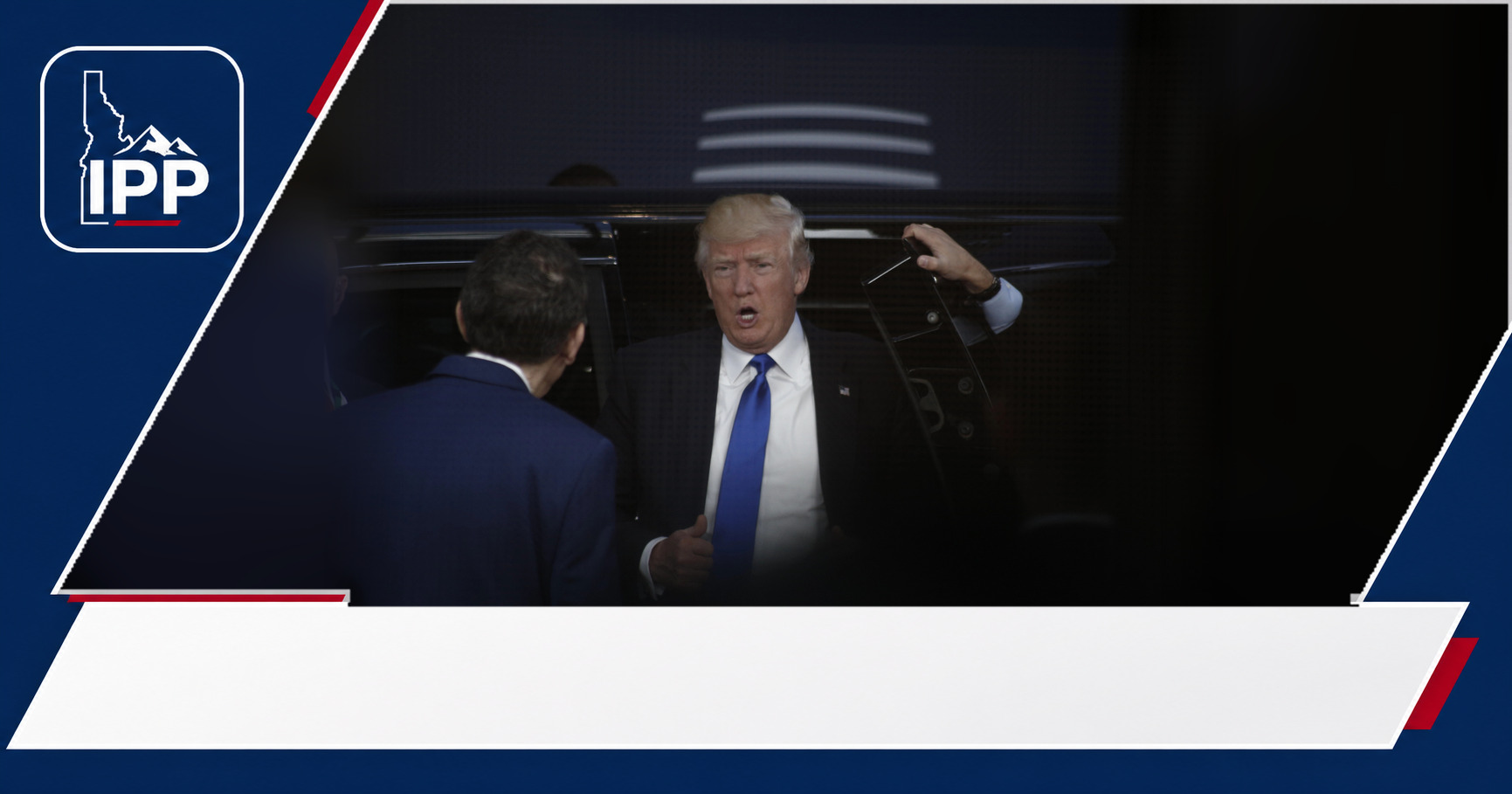
The emerging Democratic strategy puts oversight ahead of an immediate third impeachment effort. Its reach would depend on the November election result, congressional unity and how the Trump administration responds.
Democrats are planning to constrain Donald Trump if they win control of Congress in November, with investigations into Trump and his family’s business dealings at the center of the effort. The plans include subpoenas, committee hearings, possible criminal referrals and budget leverage, with scrutiny extending to Trump’s reported $2.2 billion in gains last year, family ventures and close associates.
Impeachment remains an option, but Democratic lawmakers say it would not be their immediate priority. Their emerging approach is a test of whether Congress can use its oversight and spending authority to make allegations of corruption, conflicts and economic harm politically meaningful to voters.
Oversight would come before impeachment
Democratic leaders quoted by the Los Angeles Times are describing a broad investigative agenda rather than a single, all-consuming push to impeach Trump for a third time.
Rep. Robert Garcia of California, the top Democrat on the House Oversight Committee, said impeachment should not be taken off the table. But he argued that the more immediate task is investigating what Democrats characterize as harm caused by Trump and those helping him.
Rep. Jamie Raskin of Maryland, the top Democrat on the House Judiciary Committee, has made a similar political calculation. Raskin has warned that Trump may welcome another impeachment battle because it could energize his supporters, a concern that helps explain why Democrats are emphasizing inquiries with narrower targets and a broader policy rationale.
That does not mean impeachment disappears. It means Democrats are signaling that they want to build a record through hearings, document requests and investigations before deciding whether a constitutional remedy is warranted.
Business ties are a central target
The proposed investigations would examine whether Trump, his family and close associates used government power or public contracts for personal financial benefit, according to the Times. Democrats are particularly interested in the president’s reported $2.2 billion in gains last year.
Potential areas of scrutiny include the business activities of Jared Kushner, Trump’s son-in-law, and of Trump’s sons Eric Trump and Donald Trump Jr. The family’s cryptocurrency projects are also expected to draw attention.
Democrats have also pointed to Trump’s pardons and commutations for allies, along with the Justice Department’s handling of the Jeffrey Epstein case, as subjects they may seek to investigate. Raskin cited concerns about what he called violations of the Constitution’s foreign emoluments clause and the misuse of public resources.
Those are allegations and planned lines of inquiry, not established findings. The White House has rejected the Democrats’ premise, calling the plans partisan and unfounded and saying Trump acts in the public interest. White House spokesperson Anna Kelly said there are no conflicts of interest.
The budget could be the sharper tool
Congressional investigations can generate headlines and public records, but Democrats are also looking at the federal budget as a way to exert pressure. Sen. Adam Schiff of California, who led the investigation behind Trump’s first impeachment, said the “power of the purse” could be a more effective tool than immediately reopening an impeachment fight.
The basic idea is straightforward: a Congress controlled by Democrats could use appropriations, oversight of spending and negotiations over funding bills to challenge parts of the administration’s agenda. The exact limits would depend on which chamber Democrats win, the size of any majority and the willingness of Congress and the White House to compromise.
Schiff has argued that oversight must connect alleged corruption to practical consequences for Americans, including higher costs. That is a notable shift in emphasis. Democrats appear to be trying to make investigations about kitchen-table effects, not only presidential conduct.
It is also where the strategy becomes politically difficult. Aggressive use of spending power can create leverage, but funding fights can carry risks for both parties if they disrupt government operations or appear disconnected from voters’ immediate concerns.
Trump officials could face separate probes
The agenda described by Democrats reaches beyond Trump himself. Rank-and-file lawmakers are preparing potential inquiries involving senior administration officials and policy decisions they believe may have violated the law or abused federal authority.
Rep. Sydney Kamlager-Dove of California introduced articles of impeachment against Russell Vought, the White House budget director. She alleged that the administration illegally canceled federal funding to Democratic-led states, including California, for political reasons.
Kamlager-Dove has drawn a distinction between impeaching Trump again and targeting officials she believes enabled unlawful conduct. Her stated goal is a coordinated approach with Democratic leadership rather than isolated actions by individual lawmakers.
Rep. James Walkinshaw of Virginia has called for greater scrutiny of the Department of Government Efficiency and allegations involving sensitive personal data. He said lawmakers need answers about whether information was secure, whether a breach occurred and whether laws or policies were broken.
Democrats are building an oversight network
Some Democrats are already creating structures intended to support a future investigative push. In May, Reps. Mike Levin of California, Alexandria Ocasio-Cortez of New York and Jason Crow of Colorado launched the End Corruption Caucus.
The caucus is not itself a congressional committee with subpoena power. Its significance is organizational: it offers lawmakers a place to develop oversight proposals and coordinate around allegations involving Trump administration conduct if Democrats retake the House.
Committee control would matter far more. A majority can set hearing agendas, issue subpoenas through committee processes, seek testimony and documents, and devote staff resources to investigations. A minority can raise objections and publicize allegations, but it does not possess the same ability to direct the formal machinery of the House.
That is why the November result is the hinge point in this story. The rhetoric is already forceful, but the practical reach of these plans depends on whether Democrats gain the institutional authority to carry them out.
What remains uncertain after November
A Democratic win would not automatically produce a unified campaign of investigations. Lawmakers would still have to decide which claims deserve priority, how much political capital to spend and whether to pursue legislation, subpoenas, budget restrictions or impeachment proceedings.
The administration’s response would shape the pace and impact as well. The White House has already dismissed the proposed agenda as politically motivated. Disputes over documents, testimony and the scope of congressional demands could become central to any oversight battle.
For Democrats, the challenge is to show that oversight is more than retaliation after an election. For Trump and his allies, the argument will be that the investigations represent another partisan effort to undermine a president whom they say voters returned to office.
The most consequential question is therefore not simply whether Democrats investigate. It is whether they can translate a sprawling list of potential inquiries into clear findings and a persuasive case that congressional checks on presidential power affect the public’s daily economic and civic life.






Leave a Reply