
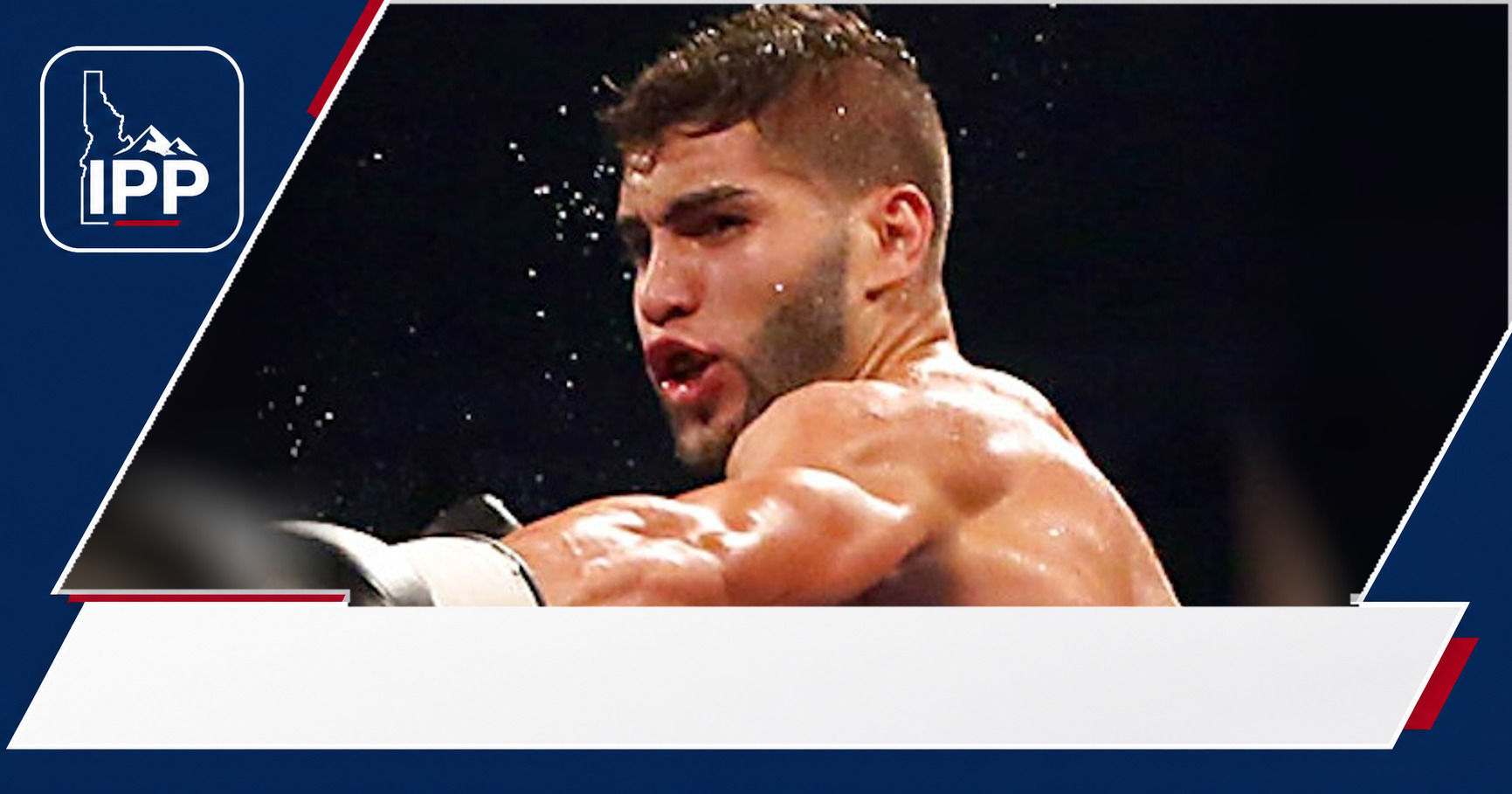
Colon’s death closes a devastating chapter that began with a disputed boxing match and left him dependent on family care for more than a decade. It also renews focus on the split-second medical and officiating decisions made around injured fighters.
Prichard Colon died at 33 on Aug. 13, 2026, 11 years after suffering catastrophic injuries during a 2015 boxing match against Terrel Williams in Fairfax, Virginia. Colon suffered severe head injuries during the fight, then spent more than a decade unable to speak, walk or live independently. His father, Richard Colon, confirmed his death.
The Puerto Rican fighter’s final years were defined by intensive family care in Florida and, according to his father’s public message, a hope of returning to Puerto Rico for a vacation. Colon’s death brings renewed attention to the bout that changed his life, the protections available to fighters in distress and a lawsuit that reportedly remains unresolved.
A career stopped in Fairfax
Colon entered the October 2015 super welterweight fight unbeaten at 16-0. At 23, he was regarded as a developing professional prospect with a reputation for speed and a growing profile among Puerto Rican boxing fans.
His opponent was American boxer Terrel Williams. During the match in Fairfax, Virginia, Colon complained that Williams had landed repeated blows to the back of his head, punches commonly referred to in boxing as rabbit punches.
Williams was deducted a point for rabbit punching. But the penalty did not end the contest, and the fight continued into the ninth round.
That sequence remains central to how the fight is remembered: a boxer raised concerns about illegal or dangerous blows, received visible punishment as the bout continued and soon afterward suffered a life-altering medical emergency.
The collapse after round nine
Colon was knocked down twice in the ninth round. After the round, his corner removed his gloves, which led to Colon being disqualified under boxing rules.
The larger issue was no longer the result on the scorecards. Colon collapsed in the changing room and was taken to a hospital, where he was found to have suffered bleeding on the brain, according to accounts cited by USA Today.
In boxing, a fighter can appear able to continue even as a serious brain injury is developing. That is one reason the sport’s medical decisions carry unusual weight: symptoms may not be obvious to a referee, corner team or ringside officials in the moment.
The available reporting does not establish a new medical cause of death beyond Colon’s long medical history. What is clear is that the brain injury he sustained after the Williams fight left him profoundly disabled for the rest of his life.
Eleven years of family care
After the injury, Colon lived in what USA Today described as a persistent vegetative state. He underwent years of therapy but did not regain speech.
His family remained involved in his daily care while he lived in Florida. The long span between the fight and his death is part of what makes the news so painful: the consequences of one night in the ring did not end when the final bell sounded.
Richard Colon announced his son’s death in a Facebook post. He wrote that he had tried to fulfill Prichard’s wish of taking a vacation to Puerto Rico, a place that remained important to the boxer and his family.
The World Boxing Organization mourned Colon in a social-media statement, calling him “a warrior until the very end” and praising the resilience of both Colon and his family. Such tributes capture the affection surrounding him, but they also underline the difficult reality that his greatest struggle took place far from competition.
The fight’s unresolved questions
Colon’s family filed a lawsuit against the ringside doctor and the fight’s promoters, according to USA Today, which cited reporting based on comments from Colon’s mother. The case had not been resolved, according to that report.
A lawsuit is an allegation, not a finding of liability. Still, its existence reflects the enduring dispute around who had responsibility for recognizing danger, stopping the contest or ensuring that Colon received appropriate medical attention.
Boxing depends on an uneasy balance. Its defenders point to rules, referees, doctors, protective standards and the agency of trained adult athletes. Its critics argue that those safeguards can fail precisely when a fighter is least able to protect himself.
Colon’s case does not settle that argument. It does make the stakes impossible to reduce to a routine debate over toughness, officiating or a point deduction.
Why the story still matters
Serious injuries in combat sports are often discussed in the immediate aftermath: whether a referee stopped a fight too late, whether a corner should have intervened or whether a particular punch was legal. Colon’s life shows why the aftermath deserves equal attention.
The consequences of a traumatic brain injury can reshape every part of a family’s life, from communication and mobility to caregiving, finances and identity. In Colon’s case, that aftermath lasted 11 years.
There are also facts that remain unclear in public reporting, including the full status of the family’s legal claims and whether any later official findings changed the understanding of what happened in Fairfax. Care is needed not to turn those gaps into assumptions about responsibility or cause of death.
What is not in doubt is the loss. Prichard Colon was once an unbeaten young boxer with a career ahead of him. He died at 33 after living for more than a decade with the devastating effects of the injuries he suffered in the ring.
A legacy beyond the record
Colon’s professional record will forever show 16 wins before the Williams fight. It cannot show the years that followed, the work done by his family or the lasting grief expressed after his death.
For boxing, his story is a reminder that safety protocols are not abstract paperwork. Decisions about fouls, a fighter’s condition and post-fight care can carry consequences that extend far beyond a single event.
For those who followed Colon from Puerto Rico, Florida and the wider boxing world, the immediate focus is more personal: mourning a 33-year-old man whose career and life were permanently altered in 2015.




Leave a Reply