
The available report record makes a serious claim but provides few underlying details. That leaves the immediate dispute unresolved while putting the Navy’s whistleblower protections back in focus.
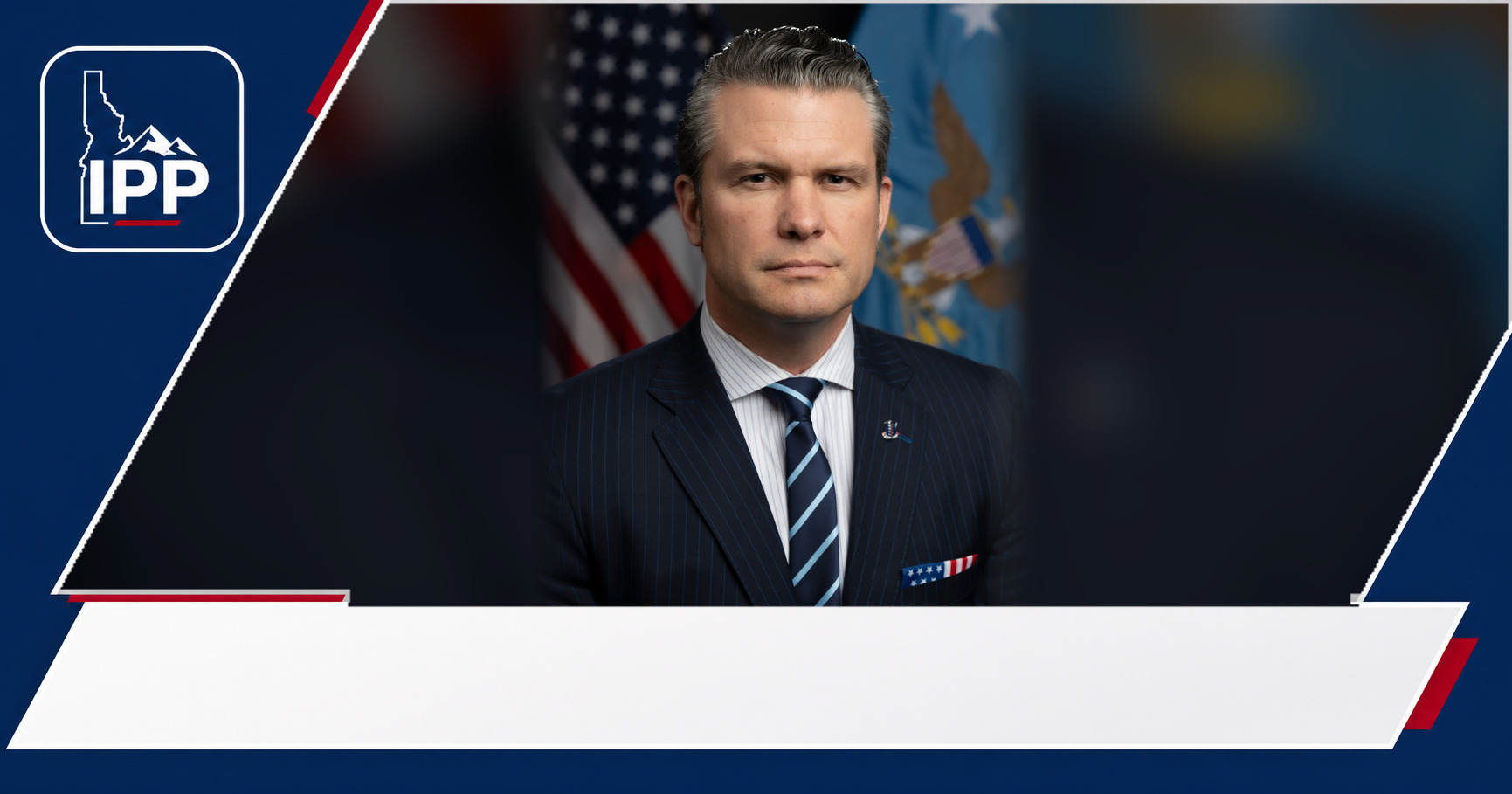
Pete Hegseth was branded a liar in a report accusing him of attacking Navy whistleblowers. The report says Hegseth criticized Navy whistleblowers and accused them of wrongdoing, but the research available for this article does not identify the whistleblowers, quote his remarks or provide the evidence behind either side’s account.
That matters because allegations involving the United States Navy and potential whistleblower retaliation demand more than a sharp headline. The immediate question is why Hegseth was accused of lying; the larger one is whether the public can see enough documentation to distinguish a legitimate challenge to a claim from an attempt to discredit people who raised concerns.
What the available report establishes
The starting point is narrow. The source record identifies a Daily Beast report with the headline “Hegseth branded liar for trashing Navy horror whistleblowers.” It establishes that someone publicly accused Hegseth of dishonesty in connection with his criticism of Navy whistleblowers.
It does not, in the material supplied here, establish the precise statement Hegseth made, the identity or number of people involved, the nature of the alleged misconduct they reported, or who called him a liar. Those missing details are central, not peripheral.
“Whistleblower” can cover many kinds of disclosures: concerns about unlawful conduct, misuse of funds, unsafe practices, abuse of authority or other threats to the public interest. A dispute over any one of those claims needs a clear record of what was alleged, when it was reported and what investigators found.
Why the word “liar” needs evidence
Calling a public official a liar is an assertion about facts, not merely an expression of disagreement. To support it, critics would generally need to show that the official made a factual statement that was false and that reliable information contradicted it.
That is different from saying a whistleblower’s account is disputed, incomplete or unproven. Officials can question a complaint, request corroboration or defend an agency decision. But the line becomes consequential when criticism appears to rely on inaccurate claims about the people who came forward or their allegations.
Hegseth’s position is also absent from the supplied research. There is no transcript, written statement, response from a representative or official Navy account included in the source brief. Without those materials, it would be premature to treat either the accusation of lying or the implied defense of the criticism as settled.
- Still unknown: what Hegseth said and where he said it.
- Still unknown: what the Navy whistleblowers disclosed.
- Still unknown: whether an inspector general, court or other independent body reviewed the underlying claims.
- Still unknown: whether Hegseth or the Navy issued a formal response.
Whistleblower protections are not optional
The wider context is clear even if the underlying dispute is not. The Department of Defense Office of Inspector General says the Whistleblower Protection Act provides statutory protections for federal employees who make protected disclosures.
A Congressional Research Service overview likewise describes the 1989 law as protecting most federal civil-service employees who disclose government illegality. The basic public-policy purpose is straightforward: people inside government may be the first to see misconduct, waste, unsafe conditions or abuse, and retaliation can deter them from reporting it.
Military and civilian personnel do not always fall under identical legal rules, so the exact protections in a particular Navy matter can depend on the person’s status and the kind of disclosure involved. Still, the Navy itself maintains whistleblower, hotline, inspector general and investigations resources, reflecting the formal channels available for reporting concerns.
Protection is not a guarantee that every allegation is true. It is a safeguard intended to ensure that people can report concerns without improper punishment for doing so. Investigators may reject, substantiate or partially substantiate a complaint, but a person’s claim should be assessed through evidence rather than public character attacks.
The Navy’s accountability problem
The sensitivity around Navy whistleblowers has a longer institutional history. A congressional oversight record included in the research notes concerns about whistleblowers and insufficient transparency in some military reprisal investigations. That does not prove the accusation involving Hegseth, but it explains why the subject carries weight beyond a single clash of personalities.
In military organizations, rank, assignment decisions, security clearances and performance evaluations can create powerful pressure points. That makes an independent and credible process essential whenever someone says they suffered consequences for raising concerns.
At the same time, leaders and agencies have a legitimate interest in separating substantiated reports from claims that cannot be verified. The durable standard is not automatic belief or automatic dismissal. It is a process that protects reporting, preserves due process and makes the factual basis for major conclusions visible when possible.
A Defense Department memorandum referenced in the research makes that balance explicit, calling for actions that safeguard due process, protect whistleblower rights and uphold fairness and impartiality in investigations. Those principles are especially relevant when a public dispute turns into a fight over credibility.
What would clarify this dispute
A fuller public account would need several things: Hegseth’s exact words, the allegations made by the Navy whistleblowers, the source of the accusation that he lied, and documentation showing why critics believe his account was false. A response from Hegseth and relevant Navy officials would also be necessary for a complete picture.
If there has been an inspector general inquiry or another formal review, its status and findings would be highly relevant. An investigation may not be able to release every detail, particularly when personnel or security issues are involved, but officials can still explain the process, the governing standards and whether retaliation concerns were examined.
For now, the verified public context supports a narrower conclusion: the report has put Hegseth’s treatment of Navy whistleblowers under scrutiny, while the available materials do not provide enough evidence to independently resolve the accusation that he lied. The controversy is a reminder that whistleblower disputes require records, process and careful attribution—not just the loudest characterization.





Leave a Reply