
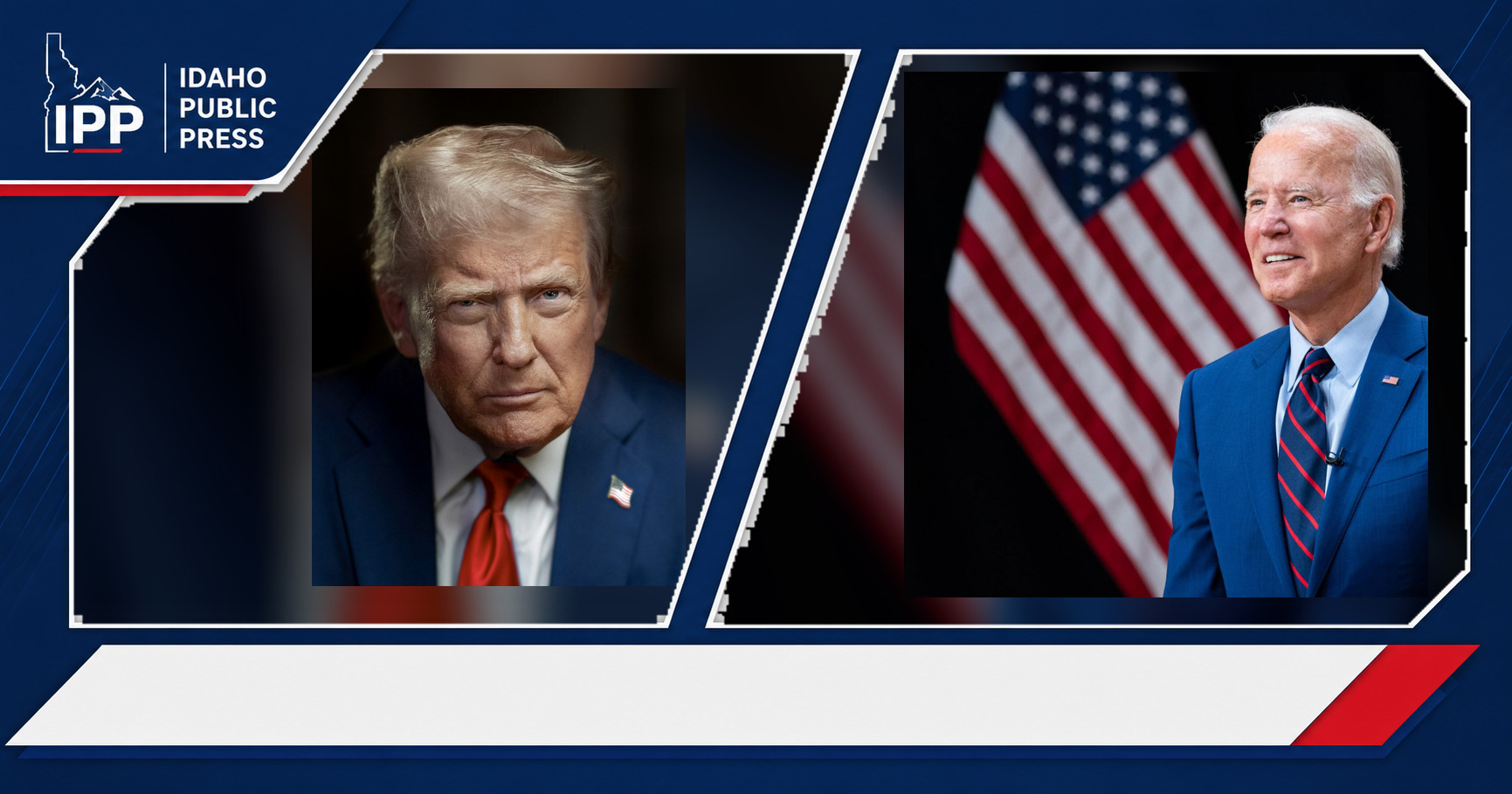
Trump has argued that Joe Biden left him with a weak economy and still-high inflation, even after Biden has been out of office for more than 18 months. The dispute is about more than rhetoric: it tests how voters assign responsibility for problems that develop over years.
Donald Trump is taking the blame game to a new level, critics argue, by blaming Joe Biden for concerns about the economy and still-high inflation more than 18 months after Biden left office. Trump has been accused of avoiding responsibility when things go awry, raising a familiar presidential question: if the buck stops with the president, when does a president own the economy and the consequences of his own choices?
The point is not that every economic problem begins in the Oval Office or can be fixed there. It is that Trump’s effort to assign responsibility to Biden while serving as president has put the political meaning of accountability—and the limits of inherited blame—back at the center of the debate.
Trump’s case against Biden
Trump’s argument is straightforward: economic difficulties did not begin on his watch. As summarized in a Washington Post report on August 15, he has said Biden saddled him with a weak economy and persistently high inflation, despite his earlier promise of a quick turnaround.
That argument has an intuitive political appeal. Presidents take office amid conditions they did not create alone: prior legislation, global energy prices, interest-rate policy, supply disruptions, business decisions and consumer confidence can all shape what people pay and how secure they feel.
Inflation, in particular, is not a simple White House switch. A president cannot directly set the Federal Reserve’s interest rates, and price pressures can reflect events far beyond Washington. Acknowledging those limits is necessary for any fair assessment of either Trump or Biden.
But political responsibility is not limited to identifying an original cause. It also concerns what an administration does after taking office: the policies it advances, the tradeoffs it accepts and the results it promises voters.
Inherited problems have an expiration date
Blaming a predecessor can be factually plausible without being a complete governing explanation. New presidents routinely inherit wars, deficits, regulations, labor-market conditions and prices shaped by their predecessors. They also inherit the obligation to respond.
The longer a president is in office, the harder it becomes to treat all unfavorable conditions as someone else’s unfinished business. That does not mean a new administration instantly erases earlier policies. It means voters reasonably start judging the sitting president on whether his decisions are improving, worsening or failing to change the situation.
The 18-plus-month gap cited in the Washington Post report matters because it sharpens that test. By that point, an administration has had time to establish priorities, pursue executive actions, negotiate with Congress, appoint officials and make its own economic case to the public.
Trump supporters may see continued references to Biden as an honest description of the hand Trump received. Critics see a president extending the transition period indefinitely, using a predecessor as a shield against the normal costs of governing. Both positions turn on a practical question: which outcomes are truly locked in, and which reflect choices made now?
Credit and blame are rarely equal
Presidents often claim broad credit when favorable numbers arrive, even when those gains have multiple causes. The same political incentives encourage them to spread responsibility when the numbers look bad. That pattern is not unique to Trump, but Trump’s language has long made blame assignment a prominent part of his public political style.
A National Archives transcript from January 2020 offers an example from Trump’s first term. At a White House event for the U.S.-China phase-one trade agreement, Trump said he did not blame China for the trade imbalance and instead blamed “the people that stood here before me” and prior presidents.
That statement reflected a substantive argument as well as a political one: trade relationships can develop over decades, and presidents inherit them. Still, it also showed Trump’s instinct to frame a current challenge through the failures of earlier officeholders.
The accountability problem becomes sharper when the same leader presents achievements as proof of personal leadership but frames disappointments as the product of people no longer in power. Voters do not have to accept an all-or-nothing version of responsibility. They can distinguish between inherited conditions and the incumbent’s response.
Why economic language matters
Words such as “economy” and “inflation” carry unusual force because they translate into daily experience. People may judge economic stewardship through grocery bills, rent, job security, borrowing costs or the sense that their paycheck no longer stretches as far as it once did.
That makes the argument over blame more than a dispute between political camps. If a president says the problem was inherited, the public can reasonably look for a clear account of what policies will address it, how long improvement may take and what risks those policies carry.
It also requires precision. A broad claim that a predecessor caused inflation or economic weakness should not substitute for evidence about specific policies, timing and measurable effects. Economic outcomes are often delayed, contested and influenced by forces no administration fully controls.
For Trump, the immediate political benefit of blaming Biden is that it offers a simple explanation for public frustration. The potential cost is that simplicity can collide with the expectations of an office built around decisive leadership.
The presidency still owns the response
“The buck stops here” became associated with President Harry Truman’s desk sign because it captured a basic expectation: the president may delegate work, but cannot fully delegate accountability. It was never a literal claim that one person causes every national problem.
In Trump’s case, the current debate is less about whether Biden-era decisions can still affect the economy. They can. It is about whether that fact relieves Trump of responsibility for his administration’s agenda, its economic promises and its response to the conditions it says it inherited.
There is no neutral stopwatch that tells voters precisely when inherited blame expires. The judgment will depend on the evidence: economic data, policy outcomes, the durability of outside pressures and whether the White House can show a credible connection between its actions and real-world results.
For now, Trump’s attacks on Biden underline a durable truth about presidential politics. The office offers enormous power to shape the national agenda, but not total control over the economy. The most revealing measure of accountability is not whether a president identifies a predecessor’s mistakes; it is whether the president can explain what he will do differently once the buck reaches his desk.








Leave a Reply