

Rural voters are still one of the GOP’s most important blocs. A modest rebound in Trump’s standing could matter if it shows up as turnout and margins in competitive races.
Donald Trump’s approval rating among rural voters has improved in July 2026, and Trump’s standing among rural Americans turned positive for the first time in months, according to Harvard CAPS/Harris polling reported by Newsweek. The article explains why the shift matters for Republican politics: rural Americans remain a core GOP bloc, and Republican candidates often need strong rural margins to survive close Senate and governor’s races.
Trump’s approval rating with rural voters now sits at 52 percent approval and 44 percent disapproval in that survey, a net positive rating after a sharp spring slide. The rebound is politically useful for Republicans, but it also exposes the pressure point: rural support appears tied closely to economic anxiety.
The rural flip in numbers
The July Harvard CAPS/Harris Poll, conducted July 11-12 among 1,776 registered voters, found Trump above water with rural voters by 8 points. Newsweek reported the poll’s margin of error as plus or minus 2.3 percentage points.
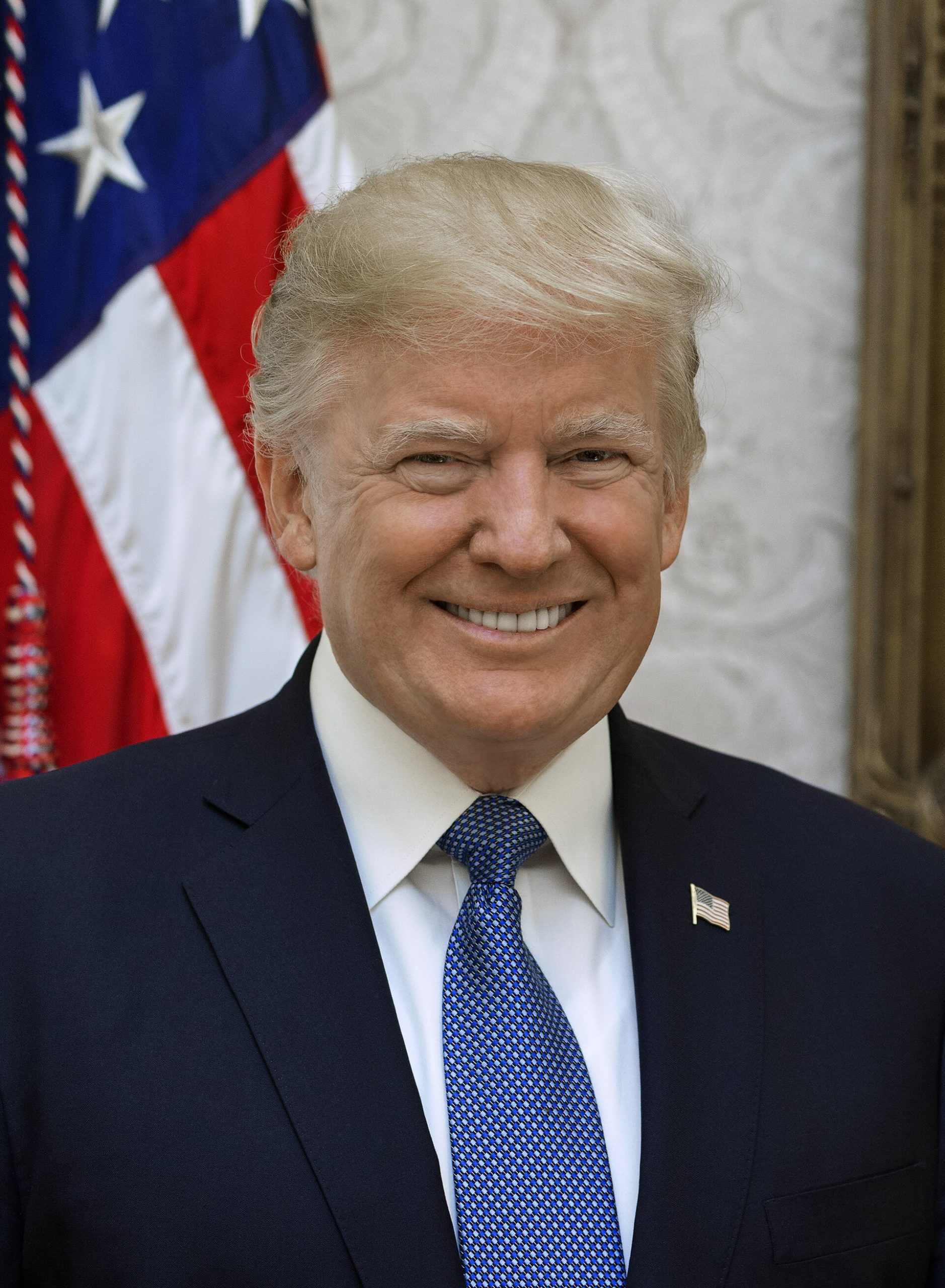
That is notable because the same pollster had not shown Trump with a positive rural approval rating since February 2026, when he was barely positive at 49 percent approval and 47 percent disapproval.
The rural number also stands apart from Trump’s broader national position. In the same July poll, his overall approval was 42 percent, meaning rural voters remained significantly more favorable toward him than the country as a whole.
For Republicans, that gap is not a small detail. Their coalition can absorb weakness in many places only if rural margins stay large enough to offset Democratic strength in cities and many suburbs.
A rebound after spring trouble
The July improvement follows a much rougher snapshot earlier in the year. A Fox News poll conducted May 15-18, 2026, among 1,002 registered voters found Trump’s rural net approval had fallen to negative 14, according to Newsweek’s summary.
That May reading represented a steep reversal from early 2025, when Trump was reportedly at plus 20 with rural voters. The 34-point swing suggested more than ordinary polling noise, especially in a bloc that has been among his most reliable sources of support.
The sharpest weakness was economic. In the Fox poll, only 30 percent of rural voters approved of Trump’s handling of the economy, while 70 percent disapproved. On inflation, the broader approval number was even lower, at 24 percent.
Those figures help explain why the July bounce should be read carefully. It shows improvement, not immunity. Rural voters can be loyal Republican voters and still react sharply when prices, fuel bills and farm costs rise.
Why rural voters carry weight
Rural America has been central to Republican electoral math for more than a decade. In many states, the GOP does not merely need to win rural counties; it needs to win them by large margins and with high turnout.
That is why a shift from negative to positive approval matters even if it does not guarantee Republican success. A few points of rural enthusiasm can affect statewide races when the margins are tight.
Competitive Senate and governor’s races often turn on the balance between Democratic gains in metropolitan areas and Republican strength outside them. Newsweek pointed to states such as North Carolina and Iowa as places where rural margins could matter in 2026 contests.
In North Carolina, for example, Democrats have targeted growth around Raleigh and Charlotte, while Republicans depend heavily on rural counties in the east and west. In Iowa, agricultural identity and farm economics make rural sentiment especially important to Republican hopes of holding ground.
The economy is the pressure point
The political story behind the polling is not just personality. It is also prices.
Newsweek’s report linked the earlier rural deterioration to economic pressures, including inflation and rising farm costs connected to instability around the Iran conflict. Rural households and farm operations are often more exposed to fuel, fertilizer, transportation and equipment costs than urban households.
The Center for American Progress found that rural households were paying at least $26 more per week for fuel because of energy price spikes linked to the Iran conflict, according to the report. Purdue University analysis in March found fertilizer prices jumped more than 30 percent during early 2026 amid geopolitical shocks.
Those costs land differently in rural communities. A diesel spike is not an abstraction for a farmer, a truck-dependent small business or a household with long drives to work, school, doctors and grocery stores.
Why the rebound may be fragile
The July Harvard CAPS/Harris poll was conducted before the reported collapse of the Iran ceasefire, an important timing caveat. If voters were responding to a moment when geopolitical risk seemed to be easing, their views could change again if energy prices or supply chains worsen.
There was also a sign of short-term optimism in the July survey. Newsweek reported that half of voters said price increases tied to Iran tensions were likely to be temporary.
That matters because political approval often moves on expectations as much as current conditions. If rural voters believe a cost spike is passing, they may be more willing to credit Trump or at least withhold punishment. If they decide higher costs are sticking, approval can fall quickly.
The White House framed the improvement as evidence that Trump’s agenda is working. Spokesman Davis Ingle told Newsweek that no president had accomplished more for the American people than Trump, citing jobs, inflation, housing affordability and broader progress at home and abroad.
What Republicans can and cannot assume
The safest read for Republicans is that Trump’s rural standing has stabilized, at least for now. That is valuable heading toward midterm races, especially after the spring polling showed real vulnerability.
But the numbers do not prove that rural voters have stopped worrying about the economy. They show that Trump has regained positive territory in one July poll after a period of strain.
There are also limits to any single survey. Different pollsters use different samples and methods, and subgroup results such as rural voters can be more volatile than national toplines. The direction is meaningful, but campaigns will want to see whether other polls confirm the same rebound.
The larger lesson is straightforward: Trump’s rural base remains a Republican advantage, but it is not politically cost-free. If inflation, energy prices and farm input costs ease, GOP candidates may benefit from stronger rural enthusiasm. If those pressures return, the same bloc that lifted Trump back into positive territory could become a warning sign again.











Leave a Reply