

The dinner is supposed to celebrate journalism while putting presidents and reporters in the same room. This year, the bigger story may be how many people would rather skip it.
Invitees are avoiding or declining to attend the White House Correspondents’ Dinner in Washington, D.C., and interest in the event is very low, according to a Politico Playbook report published Friday. The White House Correspondents’ Association is involved in staging a smaller, more security-heavy dinner at the Waldorf Astoria, where the White House and President Donald Trump are expected to face a press corps that has not all bought in.
The blunt read from one White House reporter quoted by Politico: “Nobody wants this, other than Donald Trump and the WHCA board.” That line captures the awkward mood around a dinner that is usually sold as Washington’s oddest annual truce.
A smaller room, sharper mood
The White House Correspondents’ Dinner has long been part scholarship fundraiser, part awards ceremony, part celebrity-adjacent spectacle and part pressure valve between the presidency and the journalists who cover it. This version appears to be leaning away from spectacle and toward stress management.
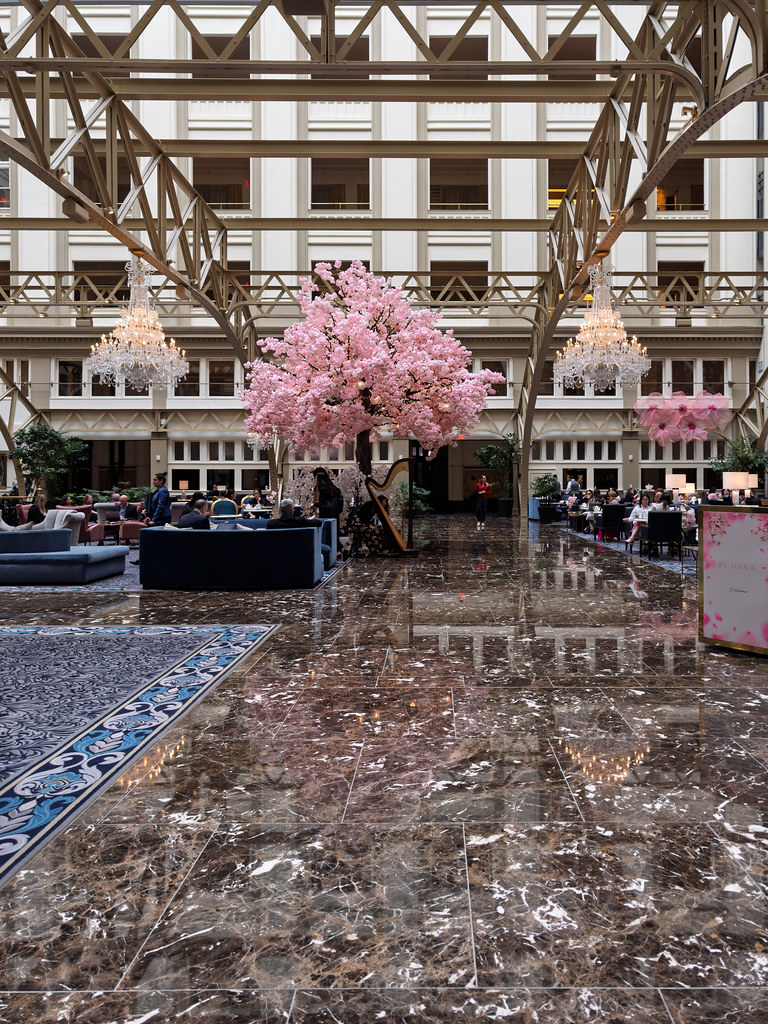
Politico reported that the dinner at the Waldorf Astoria, formerly the Trump International Hotel, is expected to draw about 700 guests. The original dinner had been expected to bring roughly 2,600 guests to the Washington Hilton.
That is not a minor trim. It changes the feel of the room, the social value of being seen there and the political message sent by attendance or absence.
A member of the WHCA leadership team told Politico that the smaller gathering would feel more intimate. That may be true. It may also make the tension harder to dilute.
Why some invitees are staying away
The reasons for skipping the dinner appear to fall into two categories: ordinary life conflicts and deeper discomfort.
Politico reported that the late-July timing collides with vacations, weddings and family obligations for some reporters. One White House reporter said they would go if they were in town, but added that the whole thing felt “exhausting.”
Others framed the problem less as scheduling and more as sentiment. A prominent veteran journalist told Politico that people attending were “pretty unhappy about being there,” citing “tension and unease” in the press ranks over Trump’s repeated attacks on the media.
That is the pressure point for the WHCA. The dinner depends on a strange bargain: journalists show up to honor their own work while sharing a room with the political figures they scrutinize. When the relationship is merely adversarial, the ritual can function. When parts of the press corps see the setting itself as compromised or painful, attendance becomes a statement.
Trump is central to the draw
The White House side is not treating the night as a retreat. Trump is expected to sit through scholarships and journalism awards before delivering remarks, according to Politico.
Press secretary Karoline Leavitt told Playbook that the speech would be “unifying yet vicious, and serious yet hilarious.” She also said after reading a draft: “It will be entertaining.”
That promise is part of the draw and part of the anxiety. Trump has always understood television tension, and the dinner is one of Washington’s most camera-ready rooms. A president who relishes confrontation with the press is unlikely to approach it as a bland banquet assignment.
The White House also pushed back against the idea that its own people are avoiding the event. Leavitt said the administration expects most Cabinet members and senior staff to attend, and that anyone absent has a scheduling conflict rather than a lack of enthusiasm.
The awards complicate the night
The dinner is not only a roast. The WHCA uses the event to award scholarships and honor journalism, which is why the attendance debate carries more weight than a typical Washington party story.
Politico noted that some awards will recognize work Trump has criticized, including Wall Street Journal reporting on Jeffrey Epstein. That creates an unusual dynamic: honorees and their colleagues may be celebrated in front of a president who has attacked some of the very coverage being recognized.
For WHCA defenders, that is exactly why the dinner should happen. The presidency and the press are not supposed to be comfortable with each other. The event can be read as a public reminder that reporters do not need approval from the people they cover.
For critics or reluctant attendees, the symbolism cuts the other way. A formal dinner can look like normalization when the relationship has become more openly hostile. That is the argument behind the “Nobody wants this” sentiment: not that journalism awards lack value, but that the setting may now overshadow them.
Security replaces the red carpet
This dinner is also being staged with a different visual language. Politico reported there will be no red carpet, tighter security and fewer guests.
Every guest, including Cabinet members, registered to receive individual QR codes. Entry requires both the code and photo identification. The WHCA is coordinating with the Secret Service and a private security firm on additional precautions, according to the report.
Those details matter because they show how far the event has moved from its pop-culture peak, when celebrity arrivals could dominate coverage. The message now is controlled access, smaller scale and managed risk.
WHCA President Weijia Jiang has tried to prevent the dinner from feeling, in Politico’s phrasing, “like a candlelight vigil.” The program still includes scholarships, journalism awards, Trump’s speech and a closing performance by mentalist Oz Pearlman.
A Washington ritual under review
The White House Correspondents’ Dinner has survived years of criticism from multiple directions. Some see it as too cozy, a room where journalists and power brokers blur the distance they should maintain. Others see it as a useful civic ritual that funds scholarships and publicly celebrates reporting under pressure.
This year’s attendance problem gives both camps new material. A smaller, tense event could make the dinner feel more serious and less self-congratulatory. It could also reveal that the old formula no longer fits the current relationship between the White House and the reporters assigned to cover it.
What remains unclear is whether the low enthusiasm is a one-year reaction to timing, security and Trump-era tension, or a sign of longer-term fatigue with the dinner itself. Washington institutions often survive by absorbing embarrassment and returning the next year with a revised guest list.
The immediate takeaway is simpler: the WHCA still has a dinner, the White House still has a stage, and journalists still have awards to present. But if many invitees are declining to attend or showing up reluctantly, the room may say as much about the state of the press-presidency relationship as anything said from the podium.



Leave a Reply