
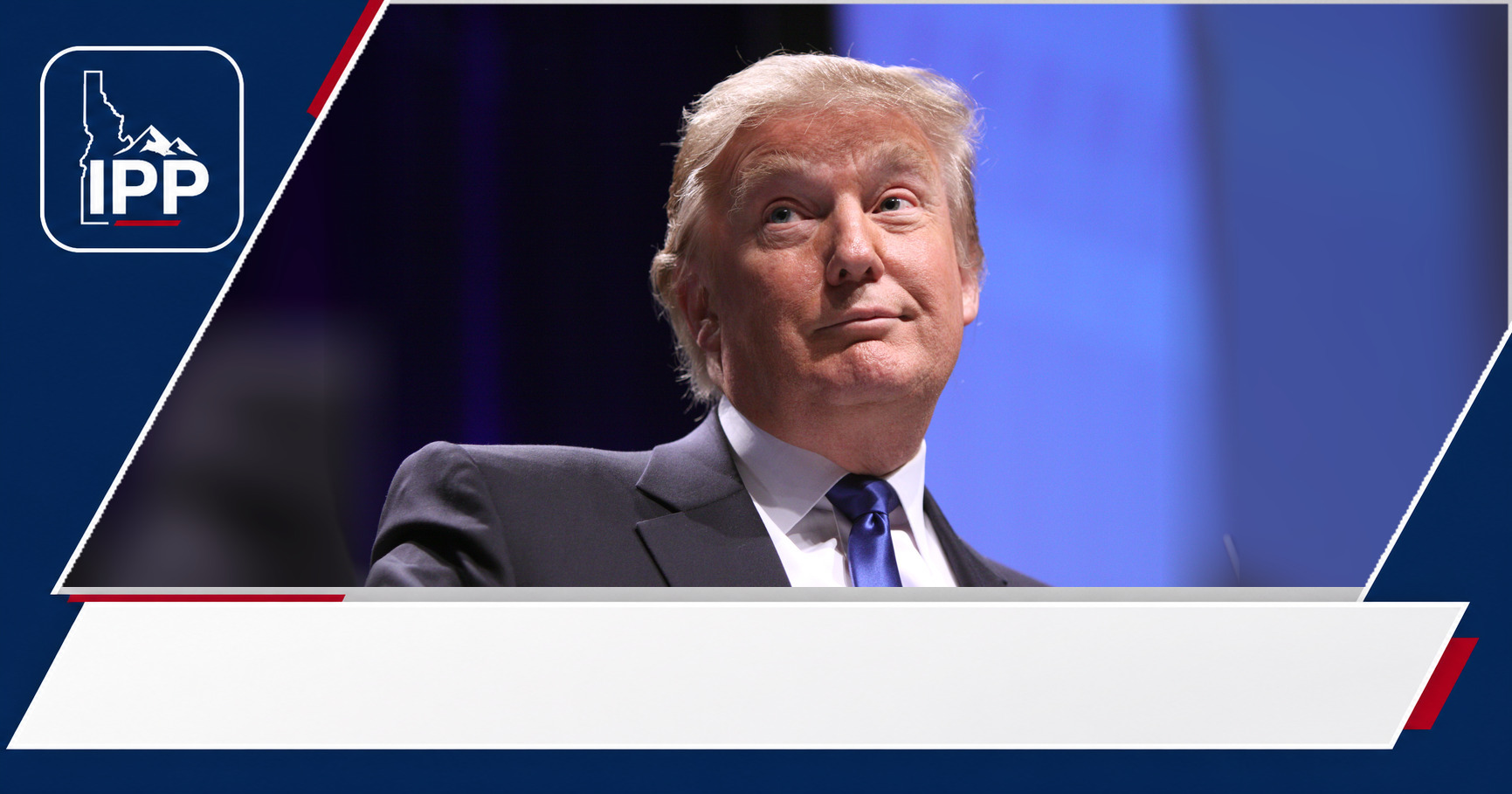
The moment turns a familiar Trump habit into a sharper political image: a president known for fast food and soda paired with a health secretary selling a wellness agenda.
Donald Trump was spotted with an oversized glass of Diet Coke after RFK Jr. criticized Trump’s diet, putting the president’s famous soda habit back in the spotlight. Robert F. Kennedy Jr., Trump’s Health and Human Services secretary, said on the “Katie Miller Podcast” that Trump eats “really bad food,” including McDonald’s, candy and Diet Coke, and added that he did not know how Trump is alive.
The sighting, flagged in an Irish Star item republished through MSN, is a small visual moment with a bigger political charge: Trump’s personal brand keeps colliding with Kennedy’s health-and-nutrition crusade.
The cup became the story
On its own, a large Diet Coke in Trump’s hand would not be news. Trump’s fondness for the drink has been part of his public image for years, along with his well-known preference for fast food on the road.
But timing is why this particular image traveled. Kennedy had just put unusually blunt words around Trump’s eating habits, making the soda less of a beverage and more of a symbol.
That is the strange power of political visuals. A cup can become shorthand for a broader argument about discipline, age, image, health and authenticity, even when the photo itself proves very little.
What Kennedy actually said
According to USA Today, Kennedy appeared on the “Katie Miller Podcast” on Jan. 13 and was asked which administration figure had the most “unhinged” diet. Kennedy answered: “The president.”
He then described Trump’s food choices in terms that were both critical and oddly admiring. “The interesting thing about the president is that he eats really bad food, which is McDonald’s, and, you know, candy and Diet Coke,” Kennedy said, according to USA Today. “He drinks Diet Coke at all times. He has the constitution of a deity. I don’t know how he’s alive, but he is.”
Kennedy also softened the critique. He said Trump’s travel diet may give people the impression that he is “pumping himself full of poison all day long,” but added that Trump eats “really good food” when he is at Mar-a-Lago or the White House.
That mix — attack, amazement and defense — is part of why the comment stuck. Kennedy did not simply criticize Trump as unhealthy. He framed him as someone whose energy and endurance defy what Kennedy thinks his diet should allow.
Fast food as Trump shorthand
Trump’s relationship with fast food is not a hidden habit. It has been woven into his political persona as a sign of familiarity, routine and distrust of the overly curated.
USA Today noted several examples: Trump served McDonald’s and other fast food to college football champions at the White House in 2019, appeared at a McDonald’s drive-through during the 2024 campaign and later spoke at a McDonald’s Impact Summit.
Kennedy offered one practical explanation for the road-food pattern. He said Trump trusts major chains when he travels because he believes they are less likely to make him sick while he is moving from place to place.
That explanation matters because it separates two stories that often get mashed together. One is the image of Trump as a fast-food loyalist. The other is the operational reality of a politician constantly traveling, eating under security constraints and choosing familiar brands.
A wellness message meets reality
The awkward part is Kennedy’s role. As Health and Human Services secretary, he is publicly associated with federal health policy, nutrition debates and a broader message about what Americans eat.
That makes Trump’s Diet Coke habit more than gossip inside the administration. It highlights the gap between the wellness language Kennedy promotes and the personal choices of the president he serves.
There are two fair ways to read the clash. Kennedy’s supporters may see his bluntness as refreshing: he is willing to criticize even his boss’s habits while still praising Trump’s stamina. Critics may see it as a contradiction, because the administration’s health message is easier to sell when its most visible figure seems to model it.
Trump, meanwhile, has long benefited politically from refusing the polished lifestyle expectations often placed on leaders. The same habits that invite criticism also make him seem familiar to supporters who distrust elite wellness culture.
The health chatter around Trump
Kennedy’s “I don’t know how he’s alive” line landed in a climate where Trump’s health has already drawn scrutiny. USA Today reported that public attention has focused at times on bruising on Trump’s hands, bandages or makeup, speech moments and his references to cognitive testing.
The White House has attributed hand bruising to heavy aspirin use, according to USA Today. The outlet also reported that the White House said in July that Trump had been diagnosed with chronic venous insufficiency, a condition associated with leg swelling.
Those details should be handled carefully. A photo of a drink does not establish anything about a person’s health. Kennedy’s comment is an opinion from a Cabinet official, not a medical exam. Public speculation can quickly outpace verified information.
Still, presidential health is always politically relevant because voters and officials care about stamina, transparency and decision-making capacity. That is why casual observations — a bruise, a stumble, a giant soda — can attract disproportionate attention.
What the photo does not prove
The oversized Diet Coke sighting does not prove that Trump’s diet has changed, worsened or become a new health concern. It also does not prove he was responding to Kennedy. The image is being read through the lens of Kennedy’s remarks because the timing and subject overlap are obvious.
What it does show is how difficult it is for public figures to separate private habits from public messaging. Trump’s soda preference is familiar, but Kennedy’s criticism turned that preference into a fresh talking point.
For Kennedy, the risk is that his health agenda becomes entangled with Trump’s personal contradictions. For Trump, the risk is smaller but still real: every visible Diet Coke reinforces a story his own health secretary just told in unusually vivid terms.
The clean takeaway is not that a glass of soda reveals the president’s condition. It is that in Trump’s political orbit, even a Diet Coke can become a proxy fight over image, health, loyalty and the limits of message discipline.



Leave a Reply