
The online joke is about an outfit, but the reason it spread is Harp’s unusual visibility in Trump’s orbit. Her role has made even small public appearances part of a larger story about access, image and loyalty.
Natalie Harp is being compared to a TV villain after she wore a strikingly similar outfit, a fashion-based swipe that put the Donald Trump aide back in the online spotlight. The Mirror US described the viral dig as aimed at Trump’s ‘diaper nurse’ Natalie Harp, a derogatory nickname critics use for an aide whose closeness to Trump has become its own political subplot.
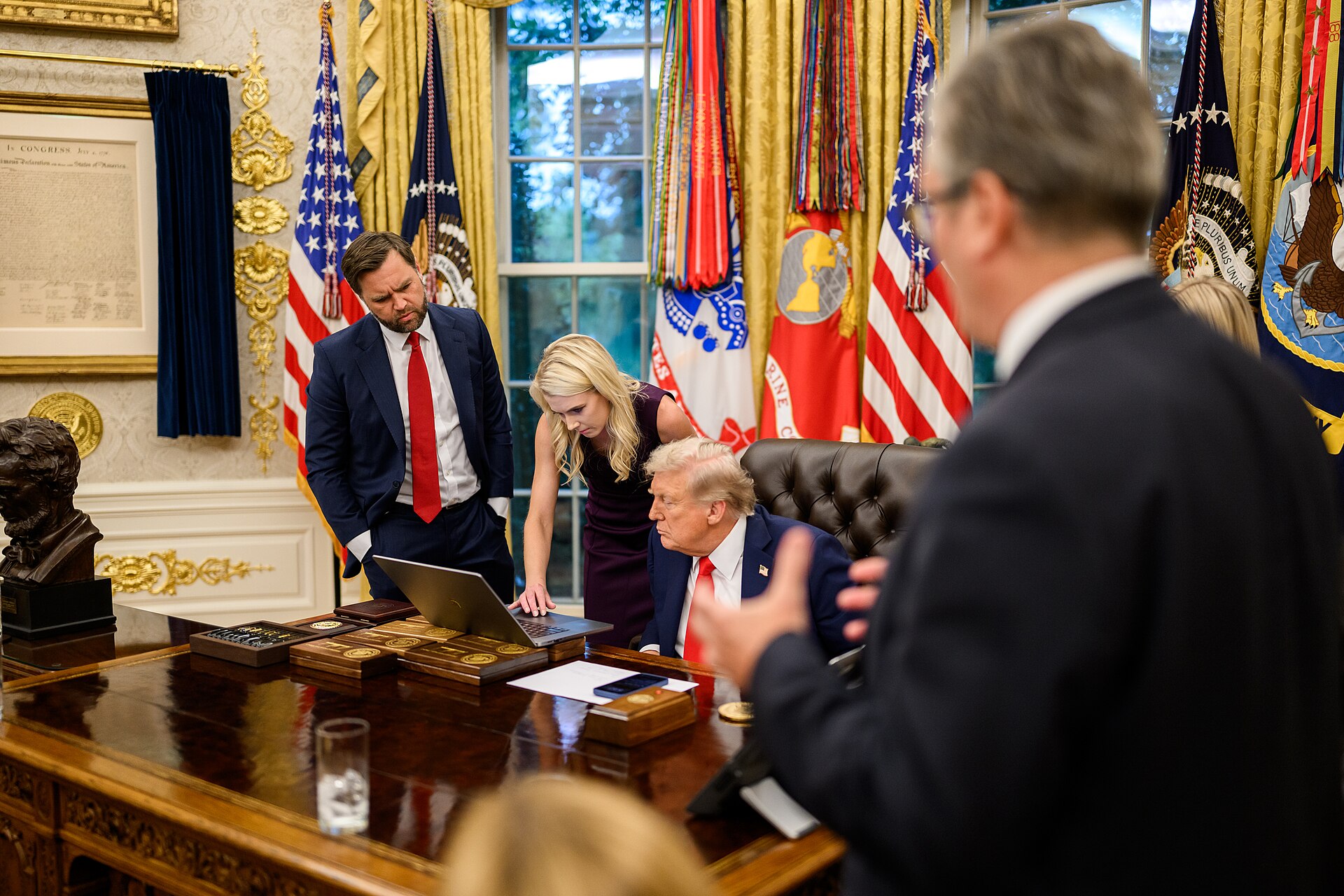
The clothing comparison matters because Harp is not just another background staffer. Reports from The New York Times and The Daily Beast have portrayed her as a trusted Trump aide who helps keep favorable coverage, social media and internet searches moving toward the president.
A meme built on resemblance
The immediate spark was visual: Harp’s outfit was described as strikingly similar to the look associated with a TV villain in the online comparison. The point of the joke was not a policy decision or a formal announcement. It was recognition, or at least the internet’s version of it.
That distinction matters. No available reporting establishes that Harp intended to reference any fictional character, and there is no public evidence that the clothing choice was anything more than a clothing choice. The comparison spread because politics online often converts a still image into a personality test.
The source headline’s nickname, ‘diaper nurse,’ is also part of the story, but it should be treated carefully. It is a hostile label used by critics, not a neutral job description. Harp’s actual significance comes from her proximity to Trump and the role she is reported to play around him.
Why Harp keeps drawing attention
Harp has been described in major political reporting as one of the aides who stays close to Trump and helps manage the flow of information around him. The New York Times profiled her in late 2024 as a devoted aide expected to follow Trump to the White House, emphasizing her role in keeping positive news in front of him.
The Daily Beast has also reported on Harp’s West Wing visibility, noting that she has been known as Trump’s human printer because she reportedly follows him with a printer to show him favorable stories and social media posts. The outlet described her as a former One America News Network anchor and an aide who can be seen near Trump during public moments.
That is why a fashion joke about Harp lands differently than it would for a private citizen. She has become a recognizable figure in a political operation that prizes loyalty, visibility and media feedback. When she appears in frame, critics and supporters read more into it than fabric and color.
The aide behind the image loop
Harp’s reported duties point to a broader Trump-world pattern: the constant circulation of praise, grievance, clips and posts. The Daily Beast reported that Trump has called on her to make internet searches and that she has at times weighed in with suggestions for his Truth Social posts.
Those details help explain the fascination. In many administrations, aides who shape what a president sees are powerful but anonymous. Harp is different because her work, as described by multiple outlets, is both intensely personal and increasingly visible.
There is a practical question underneath the memes: who filters information before it reaches the most powerful person in the room? Harp’s defenders might see an aide doing a demanding job for a boss who values speed and loyalty. Critics see an insular feedback loop that rewards flattery and shields Trump from contradiction.
The nickname carries a charge
The phrase attached to Harp in the viral headline is designed to belittle. It blends a jab at caretaking with an insinuation about Trump’s dependence on aides, then attaches both to a woman who has become a target because of her closeness to him.
That does not make Harp off-limits as a public figure. Aides with unusual access to a president deserve scrutiny, especially when reporting suggests they influence what information he consumes. But scrutiny and ridicule are not the same thing.
The sharpest criticism of Harp is not about whether an outfit resembles a fictional villain. It is about whether Trump’s inner circle is built to challenge him or comfort him. The outfit comparison is the surface-level version of that deeper concern.
Fashion jokes become shorthand
Political fashion commentary has always carried extra meaning. A suit, a dress, a pin, a color choice or even a facial expression can be turned into a symbol before the person wearing it says a word. In Harp’s case, the TV-villain comparison folded into an existing public narrative about devotion and access.
That is why the reaction split so easily. Some readers treat the comparison as harmless satire aimed at a public aide in a high-stakes environment. Others see it as another example of female political figures being reduced to appearance, posture and clothing in ways their male colleagues often avoid.
Both readings can be true at once. The joke spread because Harp’s look invited a quick visual association, but it stuck because her role around Trump is already controversial. The meme is not the whole story. It is the entry point.
What remains unclear
Several important pieces are still not established in the available reporting. Harp has not publicly explained the outfit as a deliberate reference, and the available source material does not show that the clothing was chosen to mimic a TV character.
- Intent: There is no evidence that Harp meant to copy a fictional villain’s look.
- Specific styling: The viral framing centers on a striking resemblance, but public details about brand, designer or styling choice remain limited.
- Response: Harp has not been shown in the available material responding to the comparison.
- Influence: Reports describe her as close to Trump, but the full extent of her day-to-day influence is not publicly documented.
The clean takeaway is that Natalie Harp’s outfit became a meme because she is already a character in the public drama around Trump’s inner circle. The more meaningful story is not whether a look resembled a TV villain. It is why a relatively low-profile aide now draws national attention every time she steps into view.



Leave a Reply