
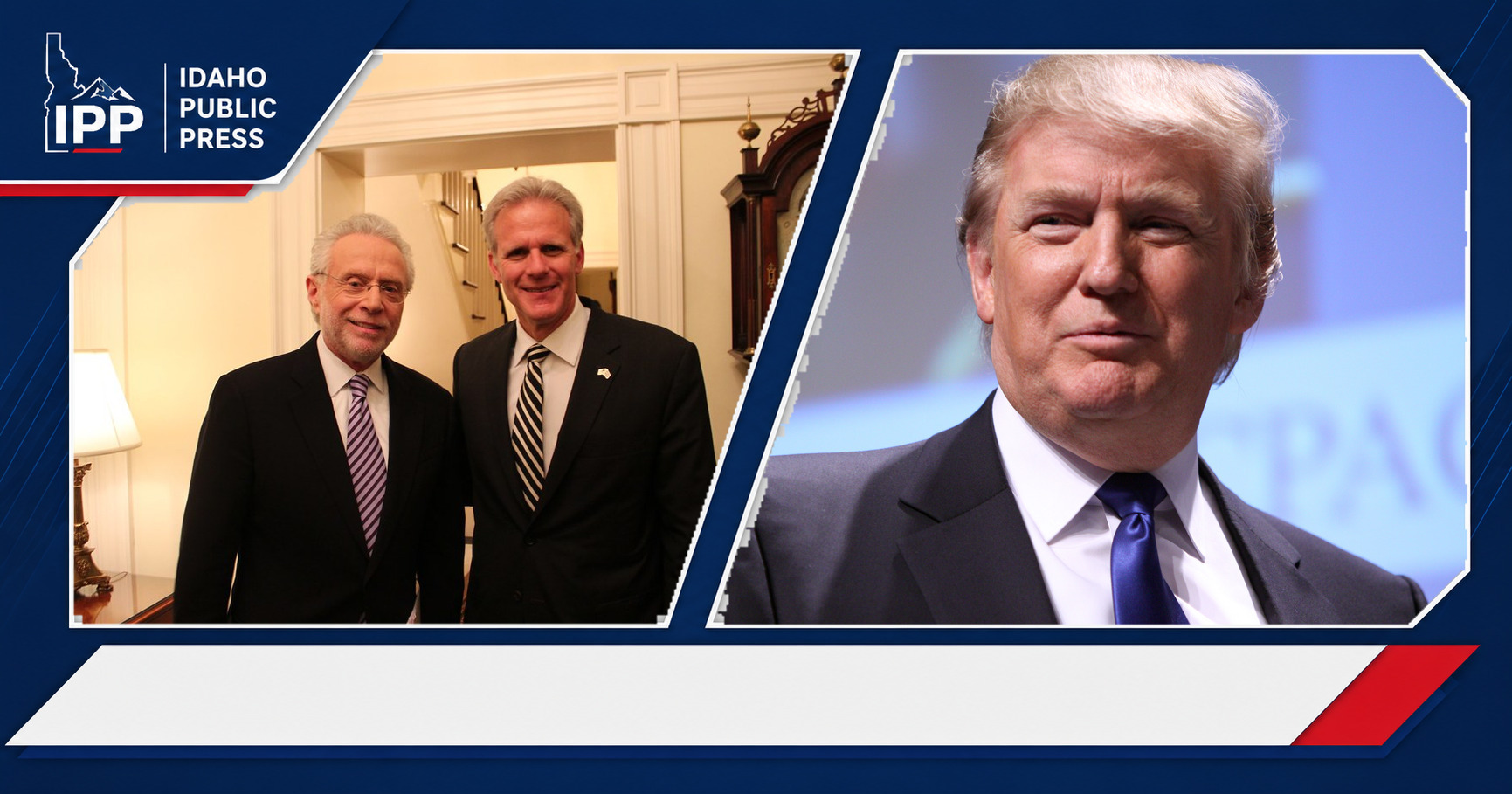
The awkward moment put investigative reporting, presidential pressure on the press and Trump’s Epstein denials on one stage. It also highlighted why the Journal’s work has remained politically explosive.
Wolf Blitzer presented an award for reporting on Donald Trump’s ties to Jeffrey Epstein on Friday night at the White House Correspondents’ Dinner, with Donald Trump in the room and seated in the audience. The CNN anchor honored The Wall Street Journal’s Epstein reporting in a scathing presentation that put the paper’s work, Trump’s denials and his lawsuits against the Journal on the same stage.
The moment mattered because it turned a black-tie press dinner into a live test of political discomfort: Blitzer delivers scathing remarks, Trump watched nearby, and the reporters being honored were recognized for work tied to one of the most sensitive storylines around the president.
The room sharpened the remarks
Awards at the White House Correspondents’ Dinner are often polite, scripted and inside-baseball. This one carried a different charge because the subject of the reporting was not watching from afar.
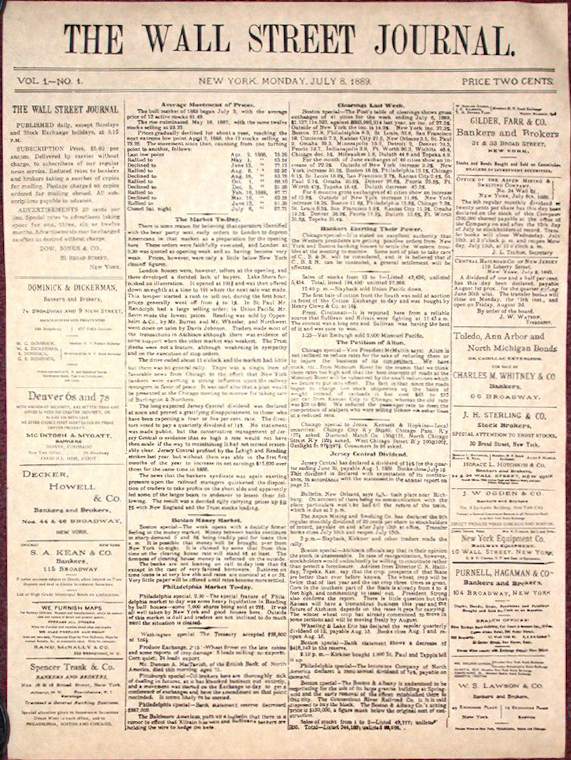
According to HuffPost’s account of the event, Blitzer delivered the presentation while Trump was seated only a few feet away. C-SPAN footage referenced in the report showed Trump reacting as the award was presented to Wall Street Journal reporters.
That proximity was the point of the clip’s viral pull. The remarks were not a cable-news monologue delivered at a distance. They were praise for aggressive reporting, delivered in front of the president whose past relationship with Epstein had been examined by that reporting.
What Blitzer said onstage
Blitzer described the Journal’s work as courageous and said it had helped trigger the release of the so-called Epstein files, “thousands of documents that might have otherwise remained hidden from the public,” according to the quoted remarks published by HuffPost.
He also referenced a Journal story about a provocative letter to Epstein that the paper reported bore Trump’s signature. Trump has denied writing the letter.
The line that made the moment especially pointed was Blitzer’s reference to Trump’s threatened and actual legal action against the newspaper. HuffPost reported that Blitzer noted Trump’s two $10 billion lawsuits against The Wall Street Journal as Trump shrugged and smiled.
The award was the Katharine Graham Award for Courage and Accountability, given to Journal reporters Khadeeja Safdar, Joe Palazzolo, Sadie Gurman, Annie Linskey, Josh Dawsey, Alex Leary, Rebecca Ballhaus and C. Ryan Barber.
The reporting behind the award
The honored Journal work centered on Trump’s past relationship with Jeffrey Epstein, the financier and convicted sex offender whose connections to prominent figures have continued to draw public scrutiny years after his death.
One of the stories highlighted in HuffPost’s recap involved an alleged 2003 birthday letter to Epstein for his 50th birthday. The reported message included the line, “Happy Birthday — and may every day be another wonderful secret,” according to the article. Trump has always denied writing it.
HuffPost also reported that Trump had called Wall Street Journal publisher Rupert Murdoch before publication in an attempt to stop the story, and that Murdoch refused. That detail, if accurate, helps explain why the awards presentation landed as a press-freedom moment as much as a political one.
The Journal’s reporting became even more consequential because, in Blitzer’s framing, it helped push additional Epstein-related documents into public view. That claim came from Blitzer’s presentation; the legal and factual disputes around individual stories remain separate from the broader public interest in the records.
Trump’s reaction carried tension
HuffPost described Trump as shrugging and smiling during the presentation before greeting the reporters and shaking their hands. That public composure did not erase the underlying conflict: the president has denied key allegations connected to the reporting and has pursued major defamation claims against the newspaper.
That contrast is why the video traveled. On one level, it was a ceremonial awards moment. On another, it was a tableau of the modern press-presidency relationship: journalists applauded by peers, a president watching them be praised, and a legal fight sitting just beneath the surface.
The optics cut both ways depending on the viewer. Supporters of the Journal may see the award as validation of reporting done under pressure. Trump allies may see the dinner as a media establishment celebrating coverage they believe is unfair or politically motivated.
Neither reading changes the most immediate fact: the award publicly recognized reporting that Trump has fought, denied and challenged.
Why this matters now
The Epstein story remains politically potent because it combines celebrity, wealth, abuse, sealed or disputed records and questions about institutional accountability. Any new document, allegation or denial can quickly become a proxy fight over transparency and power.
For news organizations, the Journal episode is also a reminder of the risk attached to reporting on powerful figures. Defamation lawsuits can be expensive even when a publisher stands by its work. A threat of litigation can chill reporting before a story ever reaches readers.
That is why the award’s name matters. Katharine Graham, the former Washington Post publisher, is closely associated with decisions to publish under pressure. The White House Correspondents’ Association using that award to honor Epstein-related reporting was a pointed institutional statement.
The statement was sharper because Trump was present. A dinner that often trades in jokes and rituals briefly became a stage for a direct argument about what the press is for.
What remains unsettled
Several important questions are still unresolved. HuffPost reported that Trump’s initial defamation lawsuit against the Journal was dismissed, while a second $10 billion suit remains pending. The outcome of that case could shape how both sides describe the reporting going forward.
The alleged letter also remains disputed. The Journal reported on it; Trump denies writing it. Readers should keep those positions separate from the award itself, which honored the Journal’s broader investigative work and the public impact attributed to it by Blitzer.
The immediate takeaway is less about one awkward smile than about the collision it captured. Blitzer used an awards presentation to praise reporting on Trump and Epstein; Trump sat in the room as that praise was delivered; the Journal reporters walked up to receive an honor while their newspaper remains in a high-stakes fight with the president.
That is why the clip resonated beyond the dinner. It showed journalism, politics and legal pressure occupying the same small patch of carpet, with everyone pretending, at least for the cameras, that the ceremony could proceed as normal.




Leave a Reply