
The controversy turns on a basic accountability question: when public figures are tied to nonprofits, what records should be available for inspection? The answer matters for donors, voters and regulators, even before any formal finding of wrongdoing.
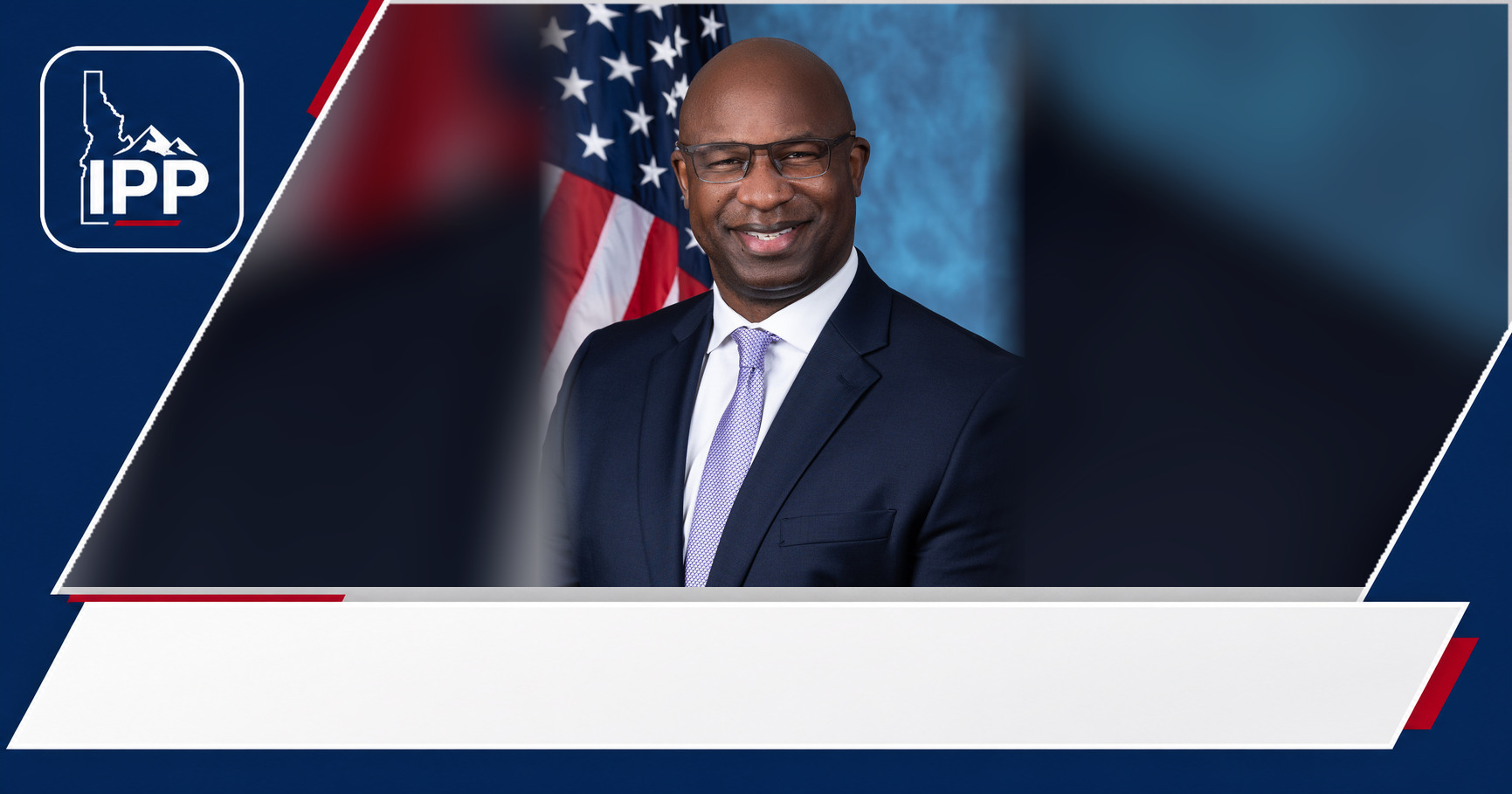
A defeated progressive ‘Squad’ lawmaker is under scrutiny over a nonprofit’s missing paper trail. The figure is Jamaal Bowman, the New York Democrat NPR identified in 2024 as the first member of the progressive Squad to lose a House primary, and the latest attention comes from a Fox News report published July 25, 2026.
The article explains what records or disclosure problems are being raised: whether a nonprofit connected in the controversy has an accessible public paper trail, and why missing records can matter for voters, donors and regulators even before any finding of wrongdoing.
Why Bowman is back in focus
Bowman’s defeat already made him a national political symbol. NPR reported in 2024 that George Latimer won the Democratic primary in New York’s suburban district, making Bowman the first of the progressives known as the Squad to be defeated.

That race was not just another primary. NPR described it as the most expensive U.S. House primary campaign ever, shaped by fierce debate over Israel, Gaza, outside spending and Bowman’s relationship with his district.
Now the issue is narrower but still politically potent: records. Fox News framed the new scrutiny around a nonprofit’s “missing paper trail,” a phrase that can carry heavy implications but also requires precision. A missing or unavailable document trail is not the same thing as a proven violation.
That distinction matters because Bowman remains a recognizable progressive figure even after losing office. For supporters, post-defeat scrutiny can look like a continuation of political warfare. For critics, it is a test of whether anti-establishment politicians meet the transparency standards they often demand from others.
What a paper trail means
In nonprofit oversight, a paper trail is not just a stack of receipts. It is the public-facing evidence that an organization exists, has a governing structure, files the required paperwork and can show how money moves through the organization.
The most relevant records can include annual filings, exemption applications, board information, financial summaries and descriptions of the organization’s mission or activities. The details depend on the type of nonprofit, its tax status, its size and the state where it is registered.
When reporting says a nonprofit has a “missing paper trail,” the key question is missing from where. Are annual IRS returns unavailable? Are state charity filings absent? Was an exemption application not produced when requested? Or is the problem simply that documents are hard to locate in public databases?
Those are different scenarios. One may suggest a clerical gap. Another may suggest a compliance problem. Another may say more about the limits of public databases than about the organization itself.
The disclosure rules at stake
The IRS says tax-exempt organizations must make annual returns and exemption applications filed with the agency available for public inspection and copying upon request. The agency’s public-disclosure guidance was listed as reviewed or updated on July 3, 2026.
That requirement is the backbone of nonprofit transparency. It allows journalists, donors, watchdogs and members of the public to see basic information without needing inside access.
These rules do not mean every internal email, invoice or draft budget must be public. They also do not mean every nonprofit is subject to the same federal disclosure obligations. A nonprofit’s duties depend partly on whether it has received federal tax-exempt status and what kind of entity it is.
Still, if an organization claims a public-interest mission or benefits from tax advantages, the public has a legitimate reason to expect basic documentation. That expectation becomes stronger when a well-known political figure is connected to the story.
The politics around missing records
Record-keeping stories often land harder in politics than in ordinary nonprofit administration. A missing form can become a proxy fight over trust, ideology and whether public figures play by the same rules they invoke on the campaign trail.
Bowman’s political identity makes the scrutiny more combustible. He was part of a progressive bloc that built national visibility by challenging party leadership, corporate power and foreign-policy consensus. His primary defeat drew enormous outside attention, including from pro-Israel groups that opposed his criticism of Israel’s conduct in Gaza, according to NPR.
That history creates two competing readings. One reading is that the nonprofit records issue is a legitimate accountability matter involving a former member of Congress. The other is that it is another attempt to weaken a progressive figure after an already brutal political fight.
Both can be true in part. Partisan motives do not automatically erase a real paperwork question. But a paperwork question also should not be inflated into a scandal without documents, dates, requests, responses and a clear explanation of what law or rule was allegedly breached.
What is still unproven
The available public record behind the current trend does not establish that Bowman committed wrongdoing. It also does not, on its own, establish that the nonprofit violated federal tax law, state charity rules or donor-disclosure obligations.
Several facts would be needed to move the story from scrutiny to something firmer:
- the nonprofit’s name, tax status and state of registration;
- which specific filings or records are alleged to be missing;
- whether anyone requested documents directly from the nonprofit;
- whether the nonprofit or Bowman responded;
- whether any regulator has opened an inquiry or issued a finding.
Without those details, the safest description is that Bowman is facing questions over a nonprofit’s public documentation. That is newsworthy because of his profile, but it is not proof of misconduct.
The strongest accountability reporting will focus less on labels like “hot seat” and more on the records themselves. If filings exist, they should clarify the issue. If they do not, the absence should be explained by the organization or tested against the rules that apply.
The practical takeaway
For readers, the Bowman story is a reminder that nonprofit transparency is supposed to be verifiable. It should not require trusting a politician’s allies, critics or press releases.
The basic question is simple: can the public inspect the filings the law requires to be available? If the answer is yes, the paper trail can be evaluated. If the answer is no, the next question is whether that absence reflects delay, error, poor administration or something more serious.
For political figures, nonprofit affiliations can be useful and risky at the same time. They can extend influence after an election loss, support advocacy work and raise money for a cause. They can also create fresh disclosure questions if governance and filings are not clean.
Bowman’s critics will see the missing-paper-trail scrutiny as a test of credibility. His supporters may see it as a politically timed attack. The documents, not the spin, should decide how far the story goes.








Leave a Reply