
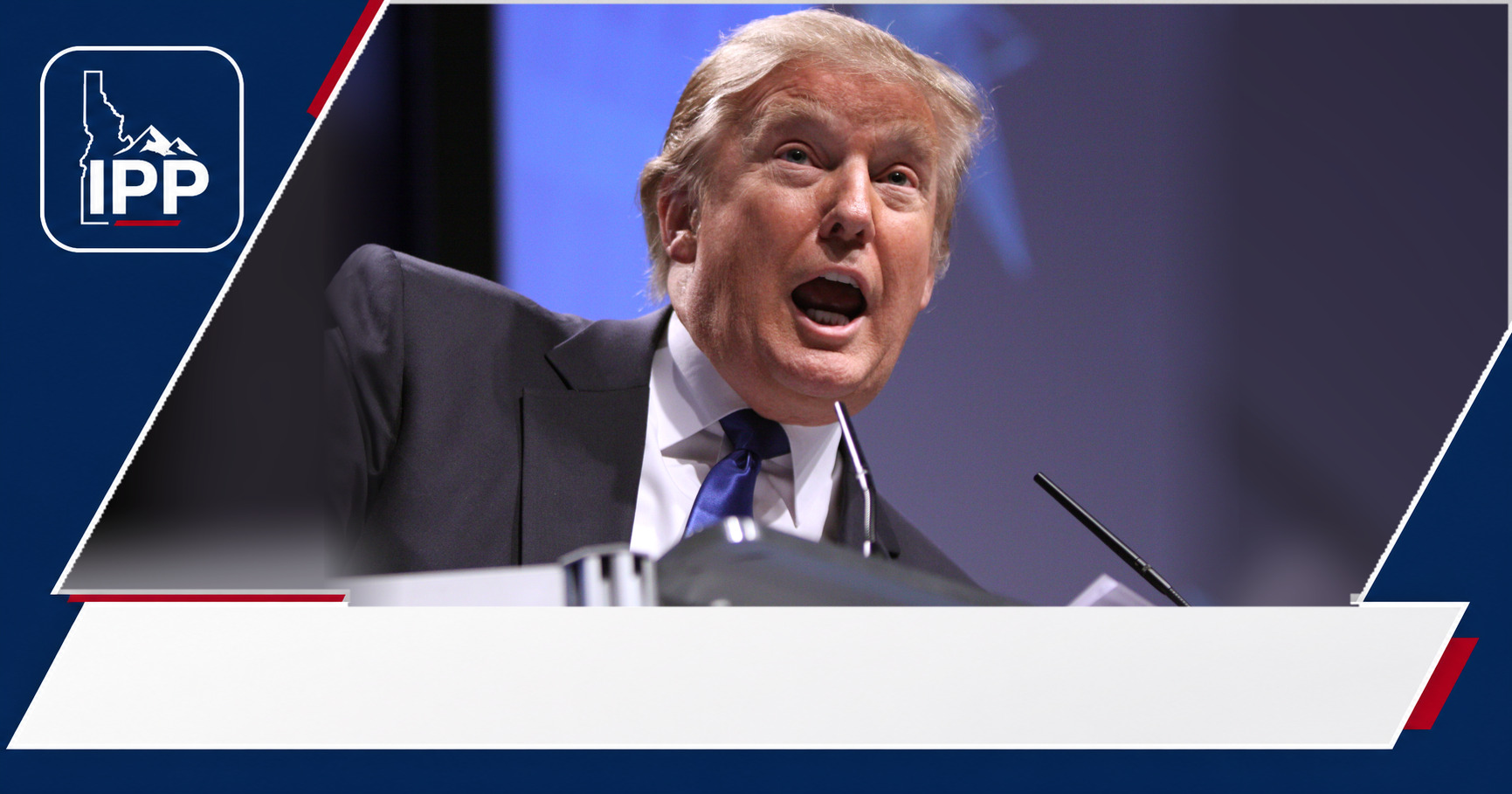
The moment stood out because Trump mixed humor, grief and political history while remembering a senator who was once a rival and later a close ally.
Donald Trump recalled Lindsey Graham’s farewell joke at Washington National Cathedral in Washington, DC, on Tuesday, July 28, including the joke about Jesus coming back before 10 am: “If Jesus comes back before 10 am, I ain’t going.” Trump honored Graham in farewell remarks by leaning on the senator’s humor as much as his record.
The line, delivered during a tribute to the late South Carolina Republican, mattered because it turned a solemn Washington memorial into a portrait of Graham as Trump wanted him remembered: funny, combative, loyal and impossible to flatten into a standard political eulogy.
A joke in a solemn room
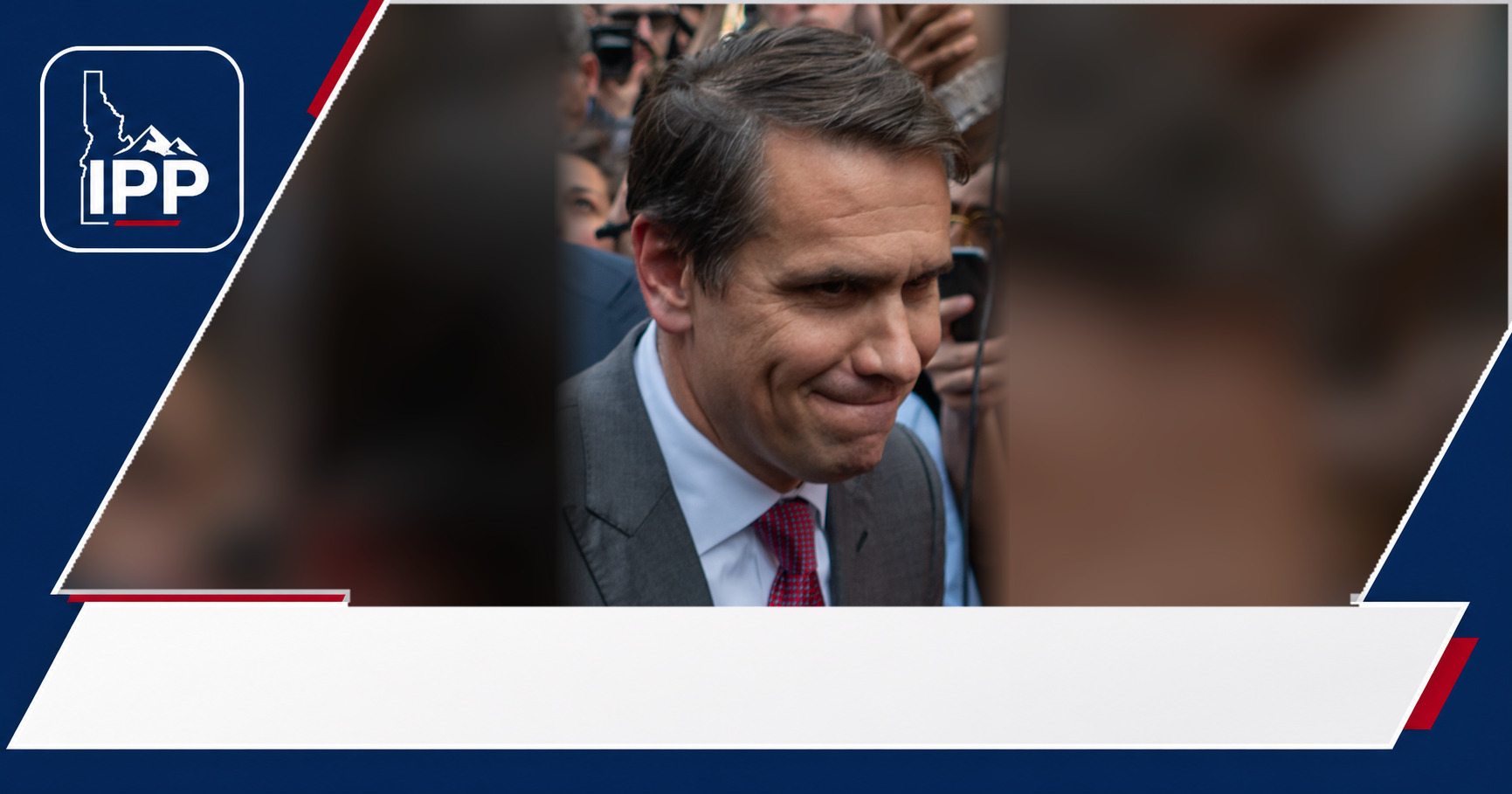
According to MEAWW News, Trump told mourners that Graham once declined Senator Tim Scott’s invitation to an 8:30 a.m. prayer breakfast with the punch line that became the day’s most repeated anecdote: if Jesus returned before 10 a.m., Graham still was not going.
The joke worked because it sounded like Graham: irreverent, self-aware and built for a room full of political people who knew his rhythms. It also gave Trump a way to describe grief without staying in a strictly ceremonial register.
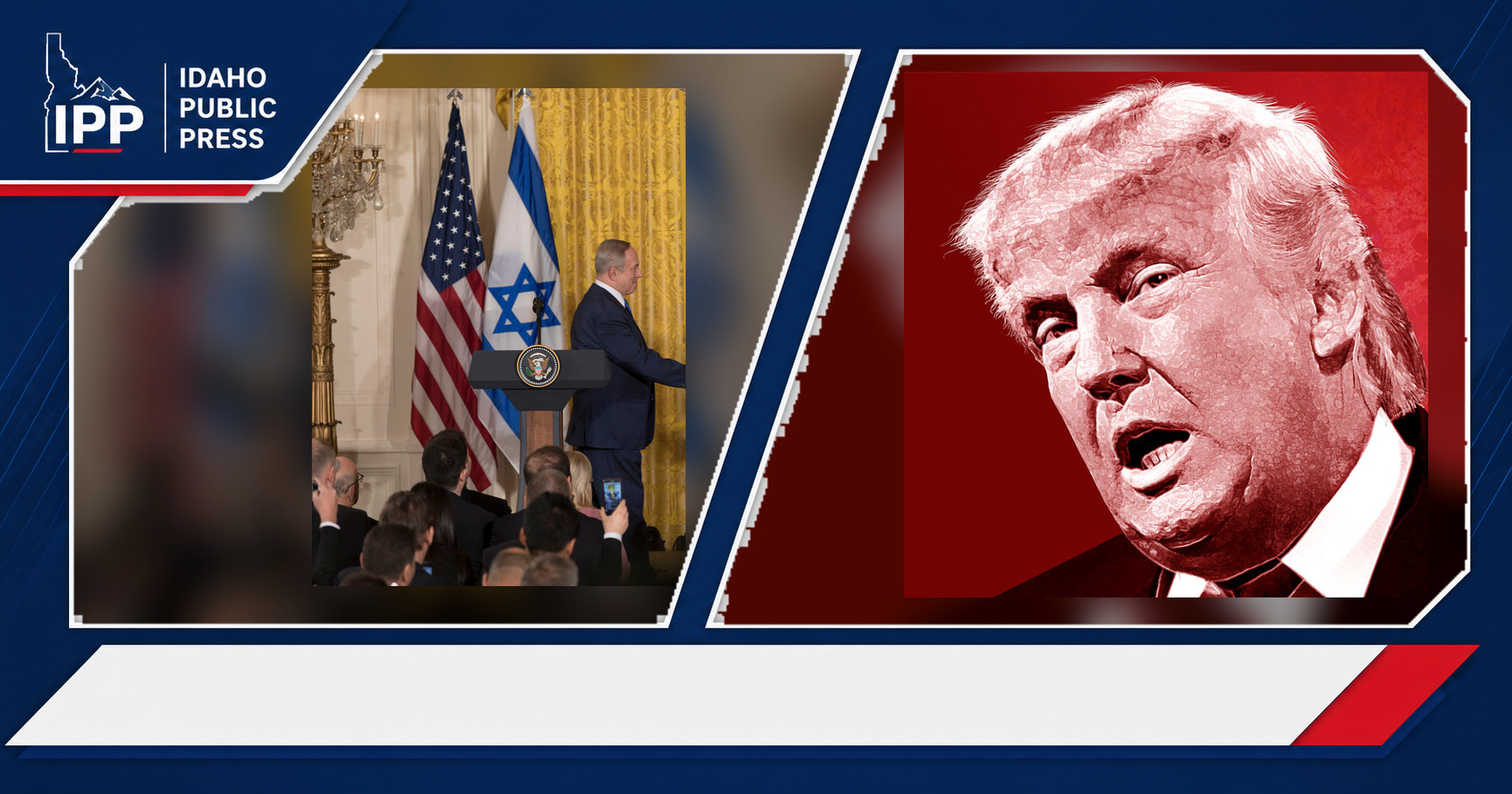
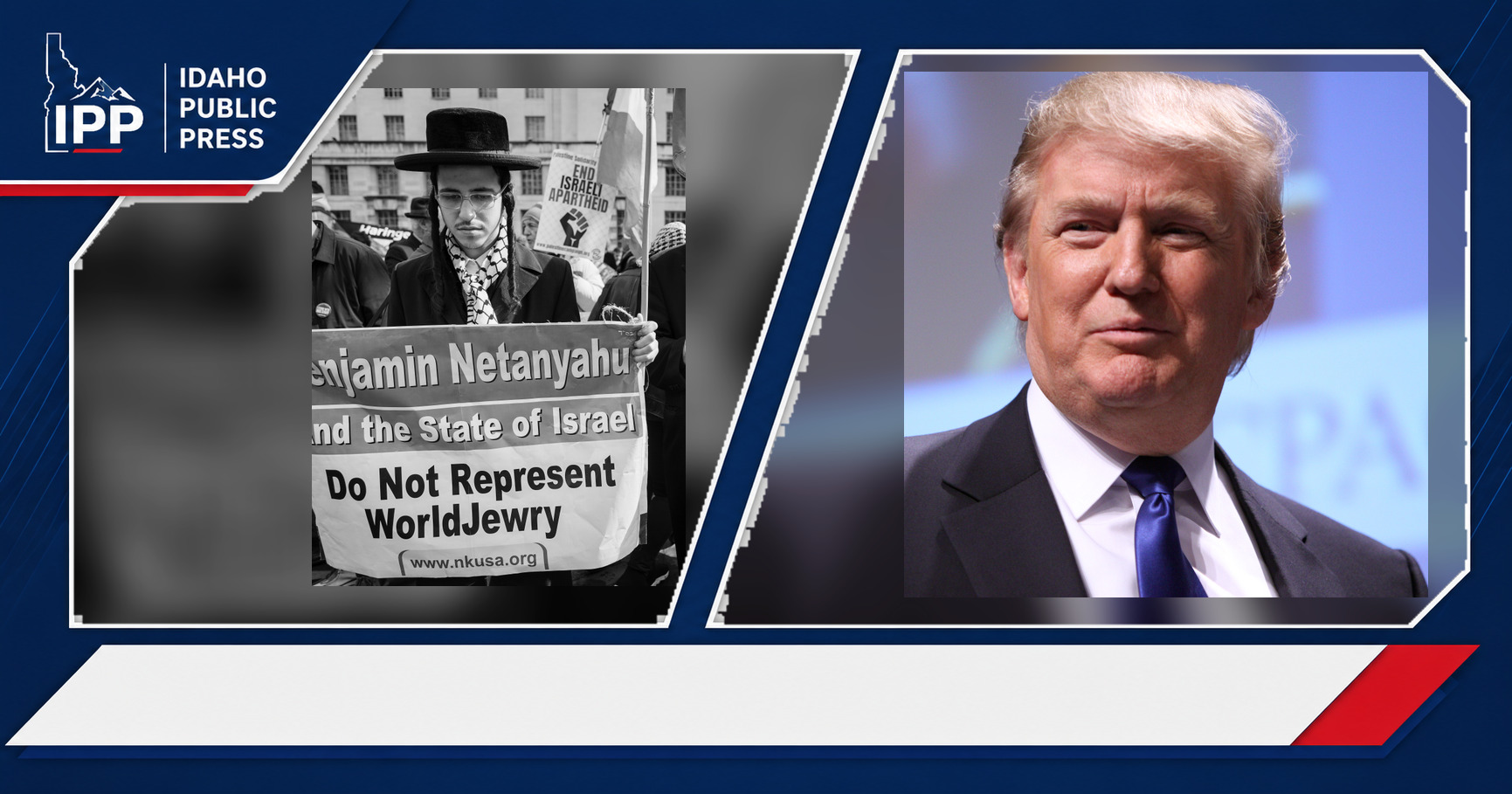
Trump’s remarks came during a farewell that drew major political figures and foreign dignitaries to Washington National Cathedral. The source reported that Israeli Prime Minister Benjamin Netanyahu and senior Trump administration officials were among those attending.
Humor at memorials can be risky, especially in national political settings where every sentence is parsed. Here, Trump used the laugh as an argument: that Graham’s public identity was inseparable from the private timing, bluntness and comic timing people around him remembered.
Trump framed an unlikely friendship
Trump did not present his relationship with Graham as effortless. He acknowledged that they “did not exactly get off to the best of starts,” a reference to the 2016 Republican presidential race, when the two clashed publicly.
One episode has long defined that early hostility: Trump publicly revealed Graham’s personal cellphone number after Graham criticized him. In the farewell remarks, Trump referred to it as something he “shouldn’t have done,” according to the source account.
That admission gave the tribute its central tension. Trump was not merely praising an ally; he was retelling the story of a political opponent who became one of his closest Senate defenders.
For supporters, that arc can read as proof of Graham’s pragmatism and Trump’s capacity to reward loyalty. For critics, it may revive an older complaint: that Graham’s later alliance with Trump came after years of sharp warnings and reversals. The eulogy did not resolve that debate, but it leaned hard into reconciliation.
Graham’s record was also on display
Trump praised Graham as “a beloved friend, a devoted brother, a respected statesman, a giant of the United States Senate, and a true American original,” according to MEAWW News. That language placed Graham in the tradition of Washington figures remembered as personalities as much as lawmakers.
The tribute also highlighted policy fights where Graham became central to Republican politics. Trump credited him with work on military funding, border security legislation and the confirmation battle over Supreme Court Justice Brett Kavanaugh.
Trump called Graham’s defense of Kavanaugh “perhaps his finest hour,” the source reported. That choice was telling: it placed Graham’s legacy not only in Senate service, but in the partisan judicial battles that shaped the Trump era.
Graham’s foreign policy posture also surfaced. Trump described him as “extremely hawkish” and joked that Graham “never saw a war that he didn’t like,” before framing that view as rooted in Graham’s belief in protecting American interests.
The crowd signaled his reach
The setting and guest list mattered. A memorial at Washington National Cathedral is already a marker of national stature; attendance by foreign leaders and cabinet-level officials underscored Graham’s influence beyond South Carolina.
MEAWW reported that Netanyahu attended, along with Defense Secretary Pete Hegseth, Treasury Secretary Scott Bessent, Secretary of State Marco Rubio and Commerce Secretary Howard Lutnick. The mix reflected Graham’s long involvement in foreign policy, defense politics and Republican coalition-building.
Trump reportedly told the room that leaders, presidents and prime ministers from around the world had come to mourn Graham. That was both a tribute and a political message: Graham’s network, and the fights he chose, had international consequences.
Still, the most viral detail was not a policy line or a list of dignitaries. It was the 10 a.m. joke, because it gave the public something specific and human to attach to a figure whose career was often defined by cable-news confrontation.
A legacy still being argued
Graham, who was elected to the Senate in 2002, died suddenly on July 11 from an aortic dissection, according to the report. He was 71.
His death set off the familiar Washington ritual of converting a complicated public life into a memorial narrative. Trump’s version emphasized loyalty, humor, toughness and shared political battles.
That does not erase the unresolved arguments around Graham’s career. He was admired by allies as energetic and effective, especially on defense and judicial issues. He was criticized by opponents, and some former admirers, for the sharp turns he made during the Trump years.
The farewell showed how those contradictions may follow him. To Trump, they became part of a story about rivalry becoming friendship. To others, they remain part of a broader debate over what loyalty, conviction and survival mean in modern Republican politics.
The line that will linger
The “If Jesus comes back before 10 am, I ain’t going” line will likely outlive the full text of the eulogy because it compresses Graham into a recognizable scene: funny, stubborn, theatrical and allergic to early mornings.
Trump’s tribute used that scene to soften the edges of a hard-charging political life. It also reminded the audience that public figures are often remembered through small anecdotes as much as through votes, speeches or titles.
What remains unclear is how Graham’s broader legacy will settle once the memorials end. The funeral highlighted the affection of allies and the breadth of his political relationships, but the fuller judgment will include the fights he chose and the alliances he embraced.
For now, Trump’s farewell gave Washington a final Graham story built not around a floor speech or a campaign brawl, but around a prayer breakfast he did not want to attend before 10 a.m.




Leave a Reply