
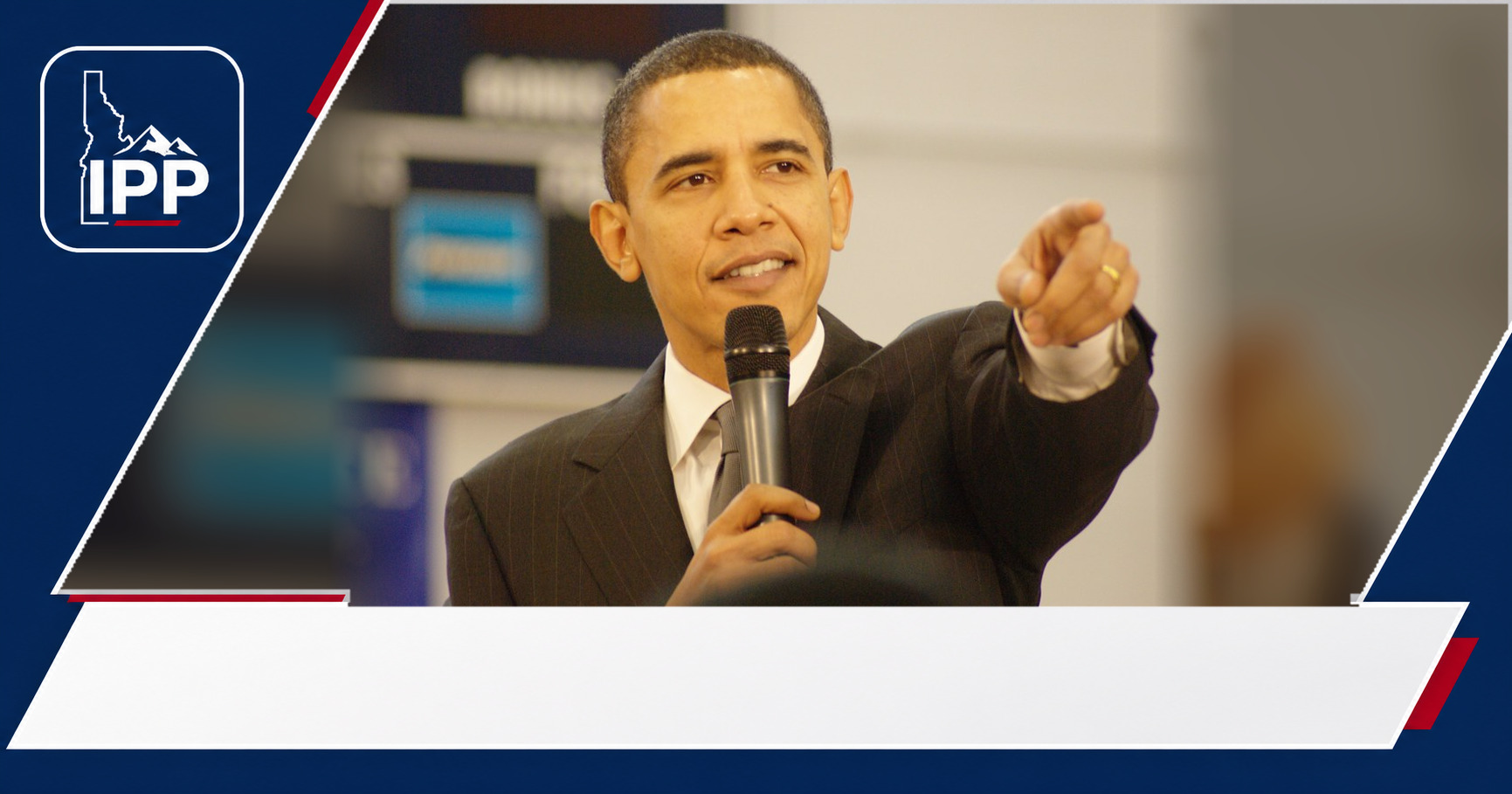
Obama’s outreach places Michigan’s Senate contest squarely in the national political spotlight. The known details point to Democrats’ immediate push to unify after a bruising primary, while questions remain about his role in the general election.
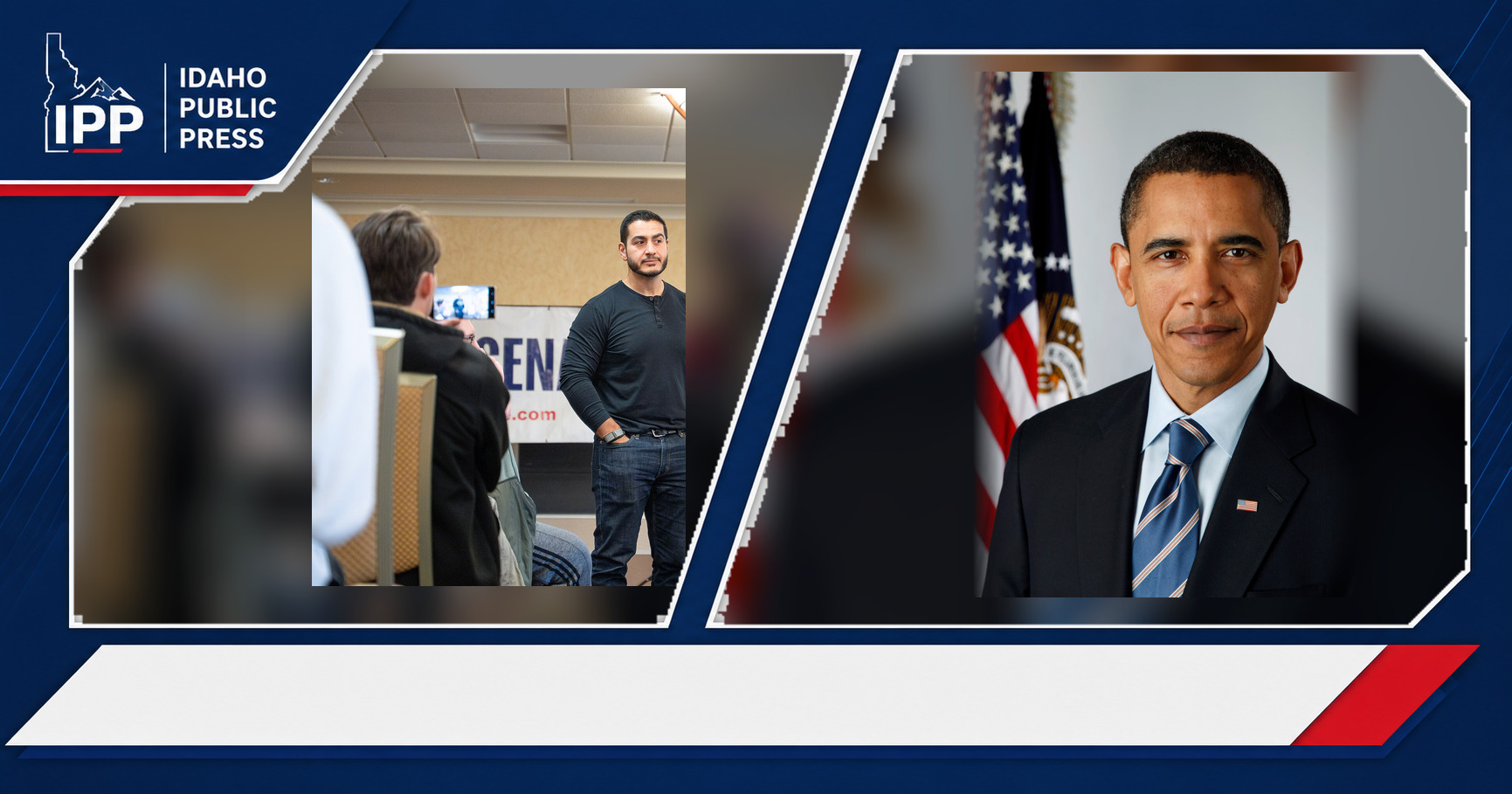
Barack Obama reached out to both Senate candidates in Michigan, putting the former president in contact with the contenders in the state’s U.S. Senate race as the general-election campaign takes shape. The outreach matters because Democrat Abdul El-Sayed and Republican Mike Rogers are competing in a race that could help decide control of the Senate.
Details released publicly are clearest about Obama’s conversation with El-Sayed, the Democratic nominee after Michigan’s primary. El-Sayed said the call was warm and focused on party unity and what it will take to win Michigan in November.
Obama’s outreach reaches both campaigns
Obama’s contact with both candidates is notable precisely because former presidents do not usually insert themselves into every Senate contest. The reported outreach does not, on its own, establish an endorsement, a campaign appearance or an agreement on policy.
It does signal that Michigan is being treated as a race with national importance. Obama has deep political ties to the state: he carried Michigan in his successful presidential campaigns in 2008 and 2012.
For candidates, a conversation with a former president can carry different value depending on the campaign. It can offer advice, a public boost, a chance to demonstrate broad respect or simply an opening for future contact. Without fuller accounts from both sides, the substance and practical effect of the outreach remain unclear.
El-Sayed describes a unity call
According to reporting by The New York Times, Obama spoke by phone with El-Sayed on Friday, days after El-Sayed won the Democratic Senate primary over Rep. Haley Stevens. Representatives for the two men said they discussed unifying Democrats and the path to winning the November election.
El-Sayed called the conversation “really, really warm” during an appearance on CNN’s State of the Union. He also said on NBC’s Meet the Press that he hoped Obama would campaign with him.
That distinction matters. A private call is a gesture; an appearance on the trail would be a much larger commitment, bringing Obama’s organizing network, fundraising pull and enduring standing with many Democratic voters directly into the contest.
There is no public indication in the available reporting that Obama has committed to campaign for El-Sayed. Any decision on that front will be watched closely as both parties target Michigan.
A difficult primary now gives way
El-Sayed’s outreach from senior Democratic figures comes after a divisive primary. He defeated Stevens, a more moderate Democrat who had support from party leaders in Washington and whose allies emphasized her work on the Obama administration’s auto task force.
Obama did not endorse El-Sayed or Stevens during that primary, according to the Times. That restraint gives his post-primary conversation with El-Sayed added significance: it allows him to support party cohesion without having taken sides in the nomination fight.
Other prominent Democrats have contacted El-Sayed as well, including Senate Minority Leader Chuck Schumer, former Vice President Kamala Harris and New York City Mayor Zohran Mamdani, according to the Times. Their outreach reflects a familiar post-primary imperative: winning back voters who backed the losing candidate without diluting the nominee’s message.
That can be harder than it sounds. El-Sayed ran as a progressive and anti-establishment candidate, while Stevens had connections to the party’s institutional wing. Democrats will need to turn that primary contrast into a coalition rather than a lingering divide.
Michigan carries unusually high stakes
The general election pits El-Sayed against Rogers, a former Republican congressman and the GOP nominee. The outcome could be consequential for the Senate’s balance of power, making Michigan a likely destination for national party spending, high-profile surrogates and intense advertising.
Michigan is also a political test case. It contains the kind of diverse suburban, urban, labor and rural constituencies that force candidates to build broad coalitions. A Senate campaign there will not be won by speaking only to a party’s most reliable voters.
For El-Sayed, Obama’s message of unity may help reassure Democrats who did not back him in the primary. For Rogers, Obama’s contact does not erase the fundamental partisan contrast in the race, but it underscores that the Republican nominee is competing on terrain Democrats see as vital.
There is another personal dimension to the El-Sayed conversation. El-Sayed has said Obama’s 2004 Democratic convention speech helped him see politics differently as a college student. The two have also differed at times: El-Sayed has previously criticized parts of Obama’s domestic and foreign policy record.
Advice is not the same as alignment
It would be easy to read too much into a phone call. Political outreach can be meaningful without producing a public endorsement, shared campaign platform or sustained involvement. Obama’s exact message to Rogers, and the form that contact took, have not been publicly detailed in the reporting available.
The contact with El-Sayed also should not be mistaken for proof that every Democratic faction is fully aligned. Unity is a campaign goal, not a condition automatically created by a call from a former president.
Still, high-profile validation can matter at the margins. It may help a newly nominated candidate move from primary combat to a general-election message, particularly when party leaders and former officeholders are looking to demonstrate that the nominee has a workable relationship with the broader coalition.
What to watch before November
The next signal will be whether Obama’s involvement becomes public and sustained. A rally, advertisement, fundraising appeal or coordinated voter-turnout push would represent a more concrete role than private outreach.
Watch, too, for how El-Sayed addresses Stevens supporters and whether Rogers can define the race on his preferred terms before Democrats consolidate. Michigan’s voters will ultimately decide the contest based on the candidates, their records and the issues shaping daily life in the state.
For now, Obama’s calls are best understood as a marker of the race’s importance. Both campaigns have the former president’s attention; only the months ahead will show whether that attention changes the campaign itself.




Leave a Reply