
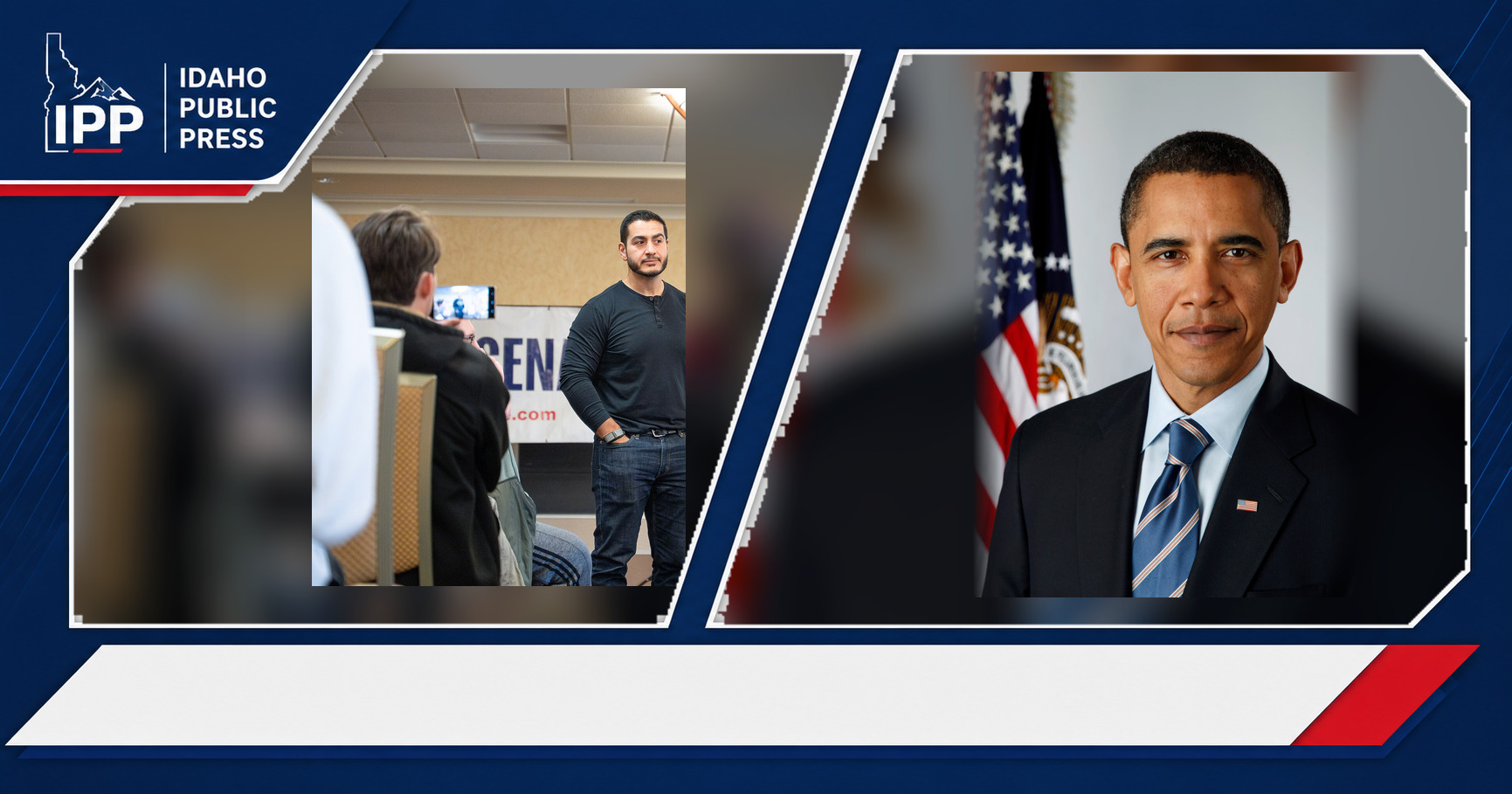
El-Sayed’s outreach to Obama follows a narrow Democratic primary win and comes as party leaders unite behind him against Republican Mike Rogers. An Obama appearance would be a valuable signal in a race expected to help decide control of the Senate.
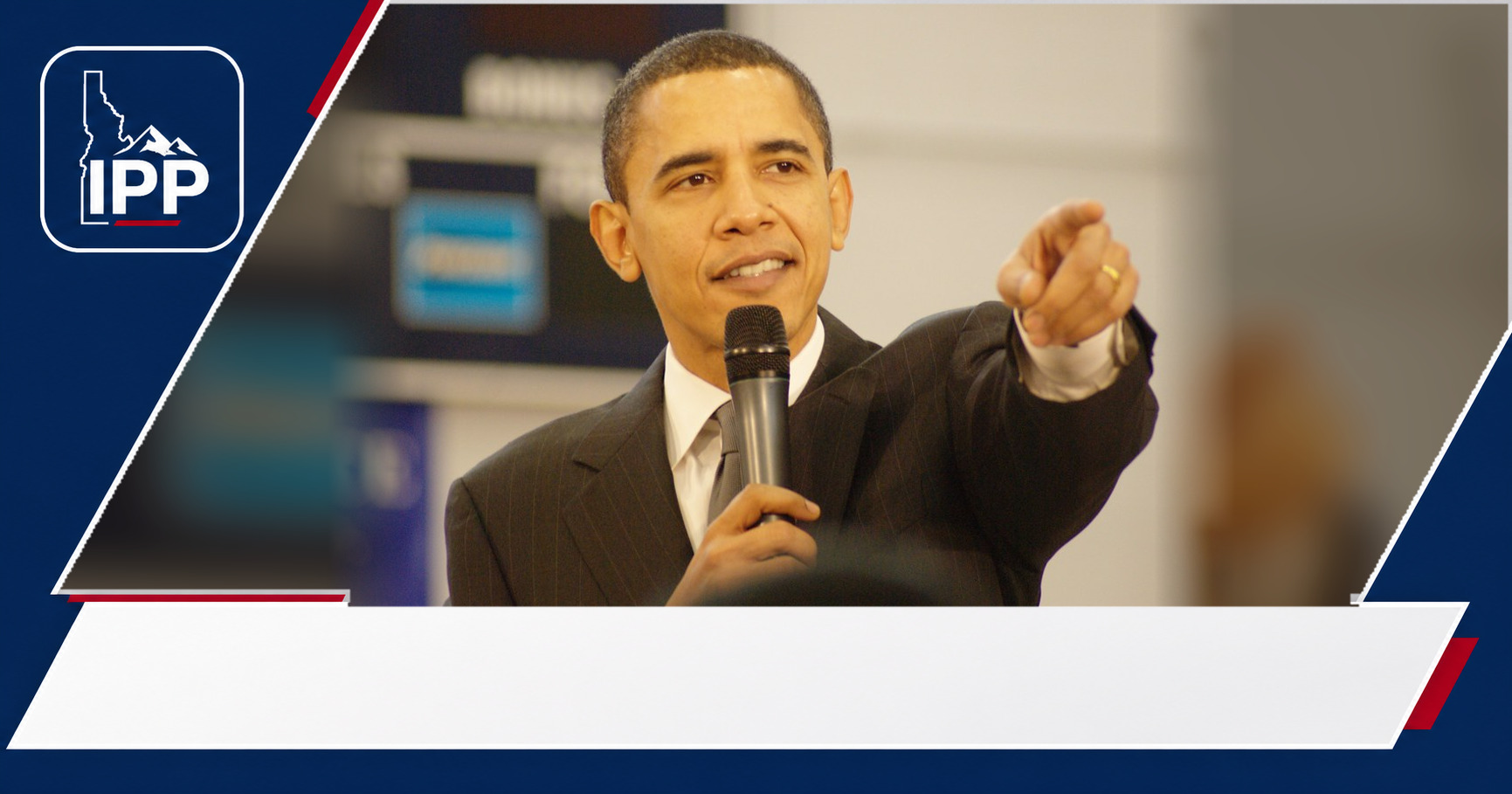
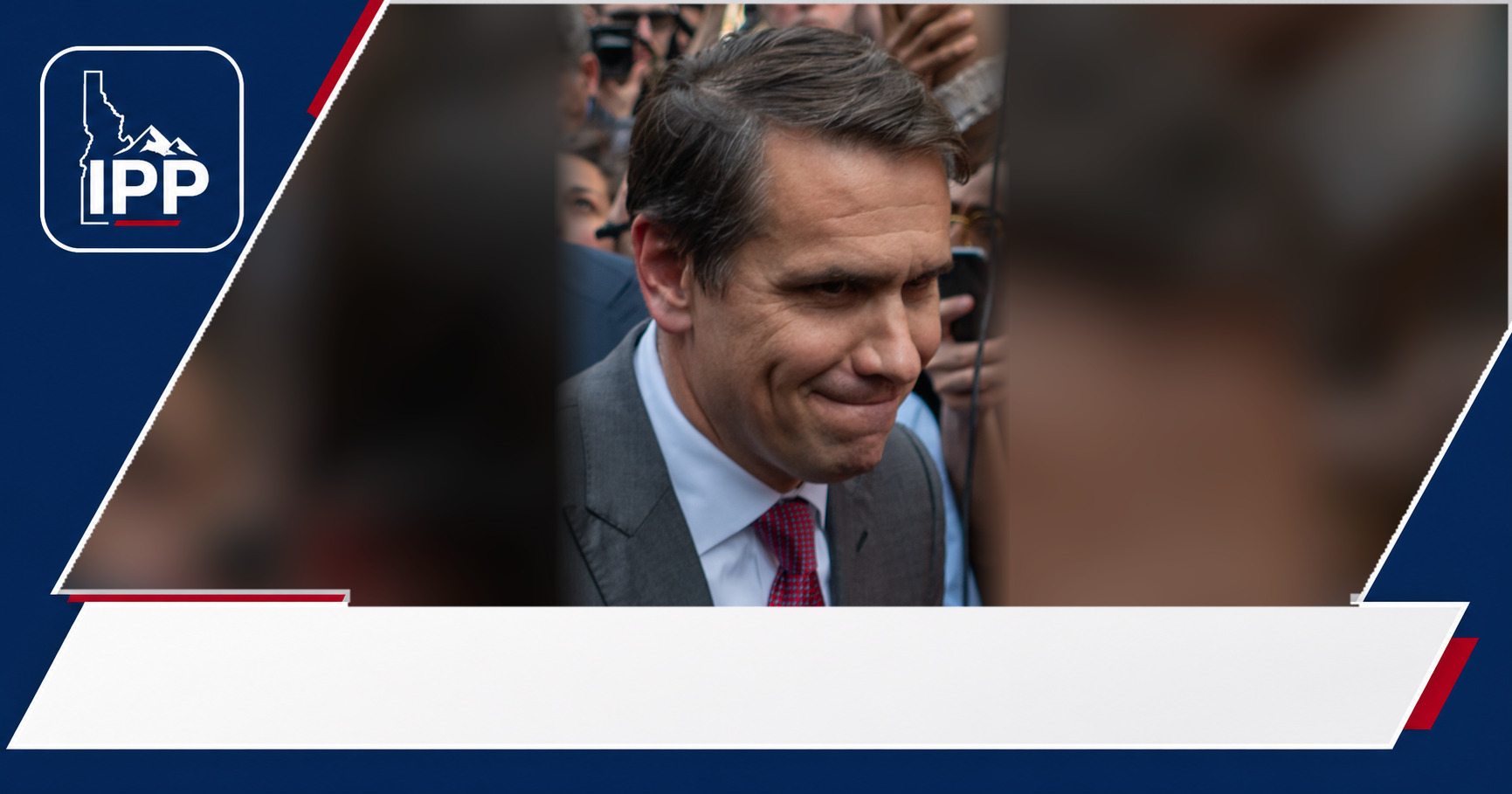
Abdul El-Sayed spoke with Obama by phone about the campaign after winning Michigan’s Democratic Senate primary, and El-Sayed says he hopes the former president will campaign with him this fall. The call matters because El-Sayed now faces Republican Mike Rogers in a closely watched race that could shape control of the U.S. Senate.
El-Sayed described the conversation with Barack Obama as “warm and inspiring” in an interview on NBC News’ Meet the Press. He said he appreciated Obama’s advice, but an in-person campaign appearance has not been announced.
Obama call offers an early boost
For a newly nominated Senate candidate, a private call from a former president is an important show of attention. For El-Sayed, it also offers a possible bridge between the progressive movement that powered his primary victory and the broader Democratic coalition he will need in November.
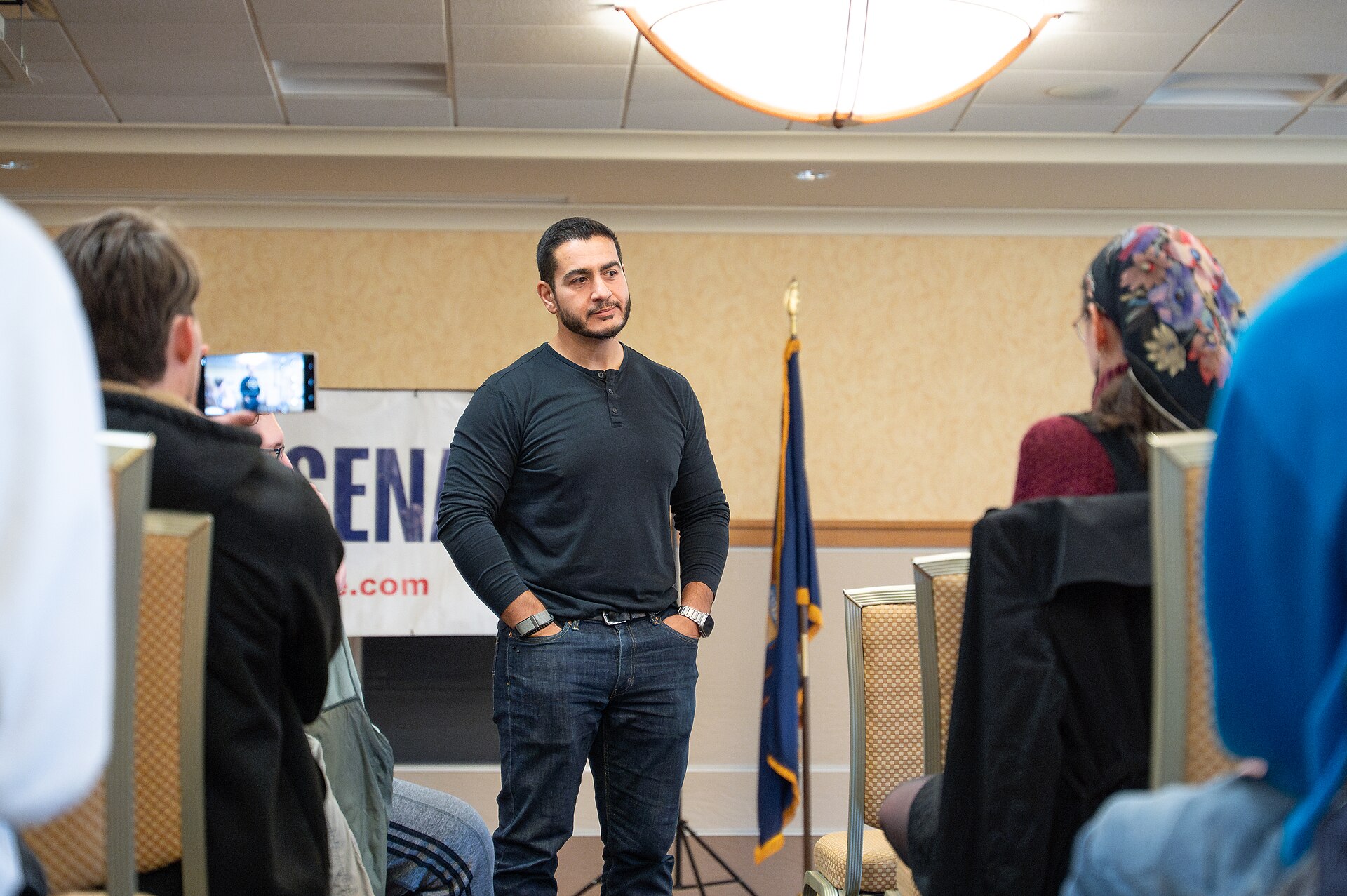
When asked whether Obama would join him on the trail, El-Sayed did not claim that plans were set. His answer was simple: “I really hope so.” That distinction matters. The campaign has confirmed the call and El-Sayed’s hope, not a future Obama rally, endorsement event or travel schedule.
El-Sayed said Obama understands Michigan’s importance in holding President Donald Trump accountable, winning back the Senate and building toward what El-Sayed called the country’s future. Obama has long retained a powerful political connection to Michigan, a major battleground with a large and diverse Democratic electorate.
A close primary changed the task
El-Sayed narrowly defeated Rep. Haley Stevens in the Democratic primary, according to NBC News. The victory elevated a physician and former county health department director who ran as an unapologetic progressive over a better-known congresswoman occupying a more moderate lane.
His coalition included prominent national progressive figures: Sen. Bernie Sanders of Vermont, Rep. Alexandria Ocasio-Cortez of New York and Rep. Ro Khanna of California. That support helped establish El-Sayed as a major progressive voice, but the general election requires a different kind of campaign math.
Stevens and state Sen. Mallory McMorrow, who had suspended her campaign before the primary, together received more votes than El-Sayed. Critics have pointed to that combined total as a warning that the nominee must consolidate Democrats who preferred someone else.
El-Sayed has pushed back by emphasizing turnout. He told NBC News that 500,000 more Democrats than Republicans voted in the primary and argued that comparable participation in November would produce a decisive Democratic victory. Whether primary turnout predicts the general election is far from certain, but it explains why his campaign is focused on expanding participation rather than relitigating the nomination contest.
Party leaders move toward unity
Several leading Democrats moved quickly after the primary to back El-Sayed. Senate Minority Leader Chuck Schumer said he had a “very good talk” with him and expressed optimism about Michigan and Democrats’ prospects for retaking the Senate.
Michigan Gov. Gretchen Whitmer also campaigned alongside El-Sayed and other Democratic statewide nominees after the primary. Stevens endorsed him following her loss, helping close a potentially damaging intra-party split.
That quick consolidation is politically useful, but it does not erase the differences that defined the primary. El-Sayed made Stevens’ backing from the American Israel Public Affairs Committee, or AIPAC, a central part of his case against her. Stevens, meanwhile, had substantial support from industry groups and ran as the race’s more moderate candidate.
An Obama appearance, if one happens, could carry special value in that setting. It would not settle every disagreement among Democrats, but it could visually reinforce the message that the party’s establishment figures and progressive activists are now working toward the same general-election goal.
Rogers race will test his message
El-Sayed will face Mike Rogers, the Republican nominee, in a contest expected to be among the nation’s most competitive Senate races. Michigan is central to both parties’ plans, making the campaign a test not only of El-Sayed but of how Democrats compete in a battleground state with a progressive nominee.
El-Sayed ran on positions including rejecting money from special-interest groups, supporting “Medicare for All” and pledging to oppose U.S. support for Israel. Those views energized supporters during the primary, while also giving Republicans clear lines of attack.
Republicans in Michigan and nationally have already called El-Sayed “radical” and “dangerous,” according to NBC News. The National Republican Senatorial Committee used his full name, Abdulrahman Mohamed El-Sayed, in videos released after his primary win.
El-Sayed said those attacks echo Republican efforts to use Obama’s full name, Barack Hussein Obama, against him. He rejected the idea that his policy views are extreme, arguing that affordable groceries and health care are mainstream concerns. The clash previews a general-election campaign likely to revolve around both biography and ideology.
The Hasan Piker question persists
El-Sayed is also confronting scrutiny over his friendship and campaign appearances with progressive media figure Hasan Piker. Piker previously said on a livestream that “America deserved 9/11,” a comment for which he later apologized.
On Meet the Press, El-Sayed called the remarks “dumb” and described renewed attention to them as “gotcha politics.” He did not say whether Piker would campaign alongside him in the general election.
Instead, El-Sayed argued that his campaign needs to reach a broad coalition, including people who follow Piker. He said he is more focused on whom he is campaigning to than whom he is campaigning with, naming seniors, voters in northern Michigan, Detroit residents and people in Grand Rapids among those he wants to engage.
That approach has a clear upside and risk. It could help El-Sayed reach politically disengaged younger voters, but it also leaves opponents room to tie him to controversial figures. The campaign’s challenge will be showing that outreach does not mean endorsement of every statement made by people in its orbit.
What an Obama visit would signal
Obama’s involvement remains an open question. El-Sayed has confirmed a phone conversation and voiced hope for campaign help; there is no public indication yet of a scheduled appearance.
If Obama does campaign with him, the immediate benefit would be visibility and fundraising energy. The larger benefit could be strategic: presenting El-Sayed as a candidate able to keep progressive supporters engaged while earning support from Democratic leaders and voters who may not have backed him in the primary.
Still, no single surrogate can resolve the race’s central question. El-Sayed must persuade enough Michigan voters that his progressive agenda fits their economic concerns, while Rogers will seek to turn his record, allies and public positions into evidence that he is outside the state’s political mainstream.
The Obama call gives El-Sayed a notable opening symbol as that fight begins. The more consequential test will be whether his campaign can translate a warm conversation and a newly united party into a durable statewide coalition by November.




Leave a Reply