
Economic sentiment can outweigh broader arguments about policy achievements. The warning matters because voters often measure an administration’s record through their own household budgets.
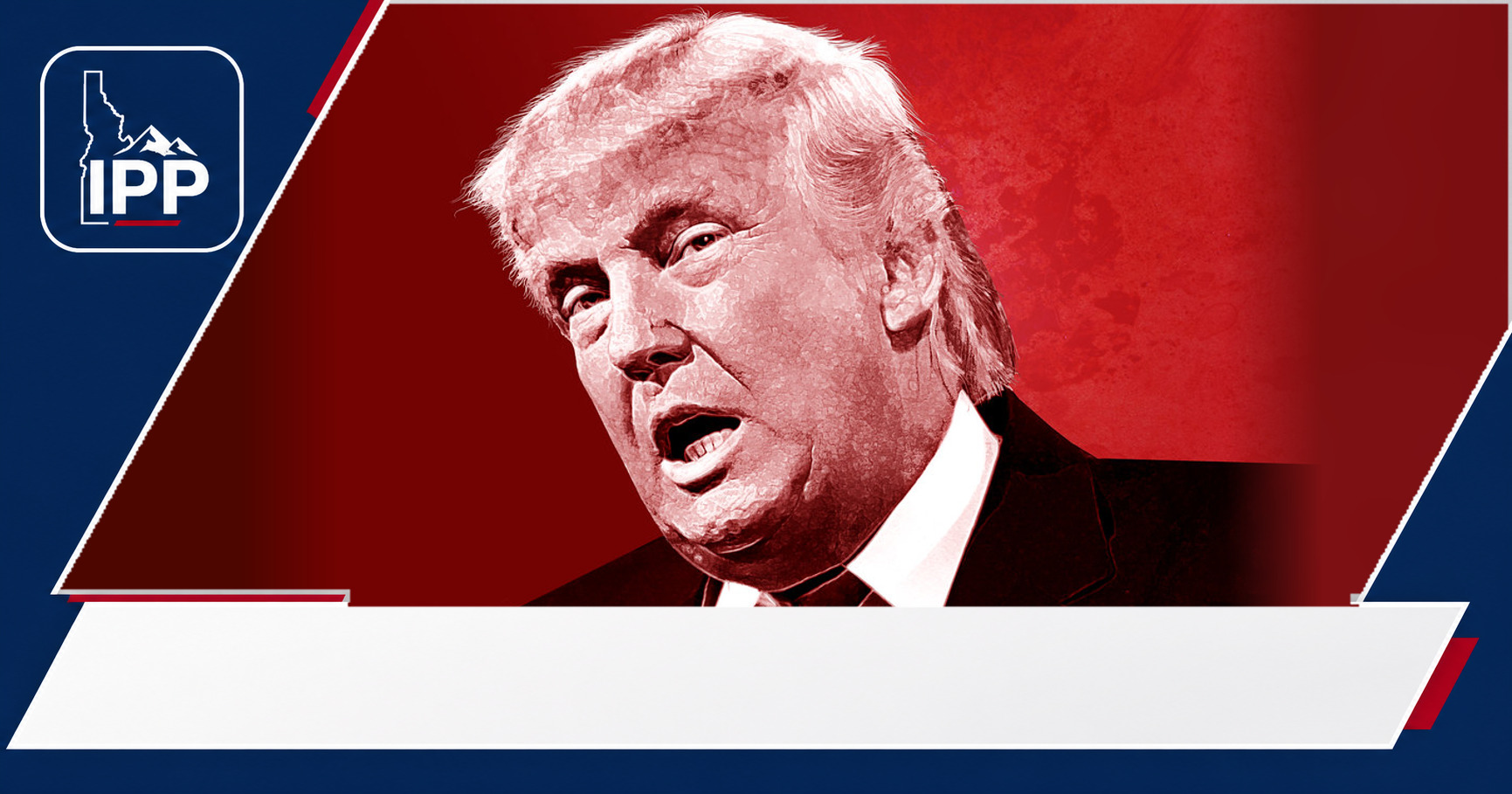
Donald Trump has received a damning economic prediction from a Republican pollster, according to a report highlighted by The Daily Beast. The GOP pollster’s negative forecast for Trump’s economic performance is that the economy could become a serious political liability if voters do not feel a meaningful improvement in their own finances.
That warning reaches beyond a single poll or talking point. For Trump and the Republican Party, the test is whether people see lower pressure on household budgets, stronger purchasing power and a clearer sense that the economy is working for them—not simply whether selected national indicators improve.
Why a GOP warning stands out
Criticism from an opposing party is routine. A warning from a Republican pollster carries a different political weight because it reflects concern from within the broader coalition Trump depends on.
The available reporting identifies Republican pollster Geller in coverage of voter attitudes toward Trump and the economy. The underlying material provided for this article does not include the pollster’s full remarks or a detailed numerical forecast, so the precise wording and scope of the prediction should not be overstated.
Still, the core political conclusion is clear: if voters remain dissatisfied with their financial circumstances, the White House can face trouble even when it points to policy actions or favorable slices of economic data.
Voters judge the economy personally
Economic debates in Washington tend to revolve around inflation reports, job totals, gross domestic product and financial markets. Most households use a more immediate scorecard: the grocery bill, rent or mortgage payment, utility costs, health expenses and how far a paycheck goes.
That gap can produce an uncomfortable reality for any president. An economy may show areas of resilience while many voters say they are still falling behind or are unable to plan confidently for the future.
Polling coverage from The Wall Street Journal has described voters as unhappy with the economy during Trump’s presidency. That matters because public confidence is not a side issue in electoral politics; it can shape whether voters credit an administration for progress or blame it for persistent strain.
Pay gains do not settle affordability
Official wage data illustrate why the political argument is more complicated than a single headline number. The Bureau of Labor Statistics said compensation costs for civilian workers rose 0.9% in the three months ending in March 2026, after seasonal adjustment.
Over the 12 months ending in March, wages and salaries rose 3.4% for civilian workers, according to the Employment Cost Index. For private-industry workers, inflation-adjusted wages and salaries were up just 0.1% over that period.
That does not establish that every family is worse off, or that wage growth is irrelevant. It does help explain why an administration can face skepticism: a modest increase in inflation-adjusted wages may not feel like relief to people confronting large recurring bills or higher prices than they remember from earlier years.
The political risk is perception
The pollster’s warning is fundamentally about attribution. Presidents do not control every force affecting prices, borrowing costs, hiring or wage growth, but voters commonly assign the occupant of the White House substantial responsibility for the economic climate.
Trump’s allies can argue that his agenda is aimed at growth, investment, wages or American industry. Critics can argue that tariffs, fiscal decisions, trade disruptions or uncertainty around policy may raise costs or create new pressure. Those claims require measurement over time, and neither side can settle the question solely through a campaign-style message.
What is harder to debate is the electoral pattern: voters who believe their standard of living is slipping are unlikely to be reassured by abstract economic claims. A Republican pollster flagging that risk suggests the concern is not confined to Democratic criticism.
Trump needs a visible household case
For Trump, the response cannot rest only on saying that the economy is stronger than voters believe. Political recovery usually requires a more tangible case: consumers seeing less pressure in key parts of their budgets, workers feeling greater security and families believing their incomes are gaining ground.
The administration will also need to contend with the fact that national averages conceal wide differences. Homeowners and renters, lower- and higher-income households, workers in expanding and contracting industries, and people carrying debt can experience the same economy very differently.
That makes the challenge unusually concrete. A favorable report on one measure may help, but it may not change attitudes among people whose financial reality is dominated by costs that remain high.
What remains unclear
The supplied source material does not provide the full pollster interview, the underlying poll methodology, a full set of survey results or a defined time frame for the forecast. It therefore does not support treating the warning as a precise prediction of an election result or a definitive verdict on Trump’s economic record.
It does support a narrower conclusion: economic confidence is a vulnerability that Republicans themselves are watching. The coming tests will be whether measures of prices, pay and employment translate into a better day-to-day experience—and whether voters believe Trump deserves credit when they do.
That is why the negative GOP forecast matters. In politics, the economy is often judged less by what leaders say is improving than by what people feel when they pay for ordinary life.



Leave a Reply