
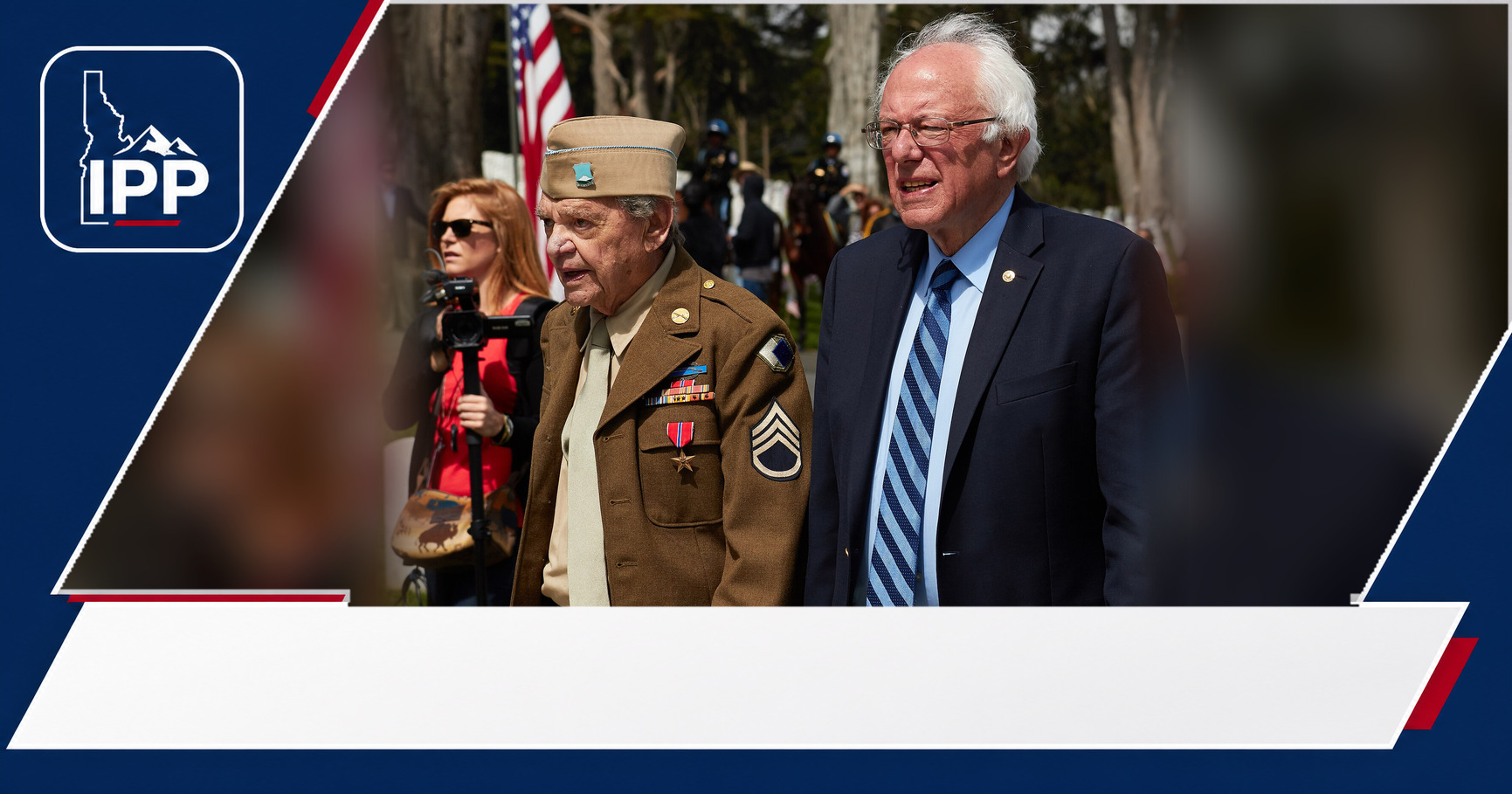
Sanders is pressing top Democratic officials to cut super PACs out of primaries as outside groups pour hundreds of millions into the 2026 midterm cycle. His demand puts a long-running divide over money, party strategy and political influence back at the center of Democratic politics.
Bernie Sanders called on Democratic leaders to ban super PAC donations and participation in Democratic primaries, describing the system of super PAC donations as corrupt. In a letter to Senate Minority Leader Chuck Schumer, House Minority Leader Hakeem Jeffries and Democratic National Committee Chair Ken Martin, Sanders argued that outside groups should not help decide Democratic nominees.
The immediate dispute is over primary spending, not a nationwide ban that Sanders can impose on his own. But his appeal lands as corporate-backed super PACs have spent more than $517 million in the 2026 midterm cycle, according to figures Sanders cited, raising a difficult question for party leaders: can Democrats reject big outside money in primaries while still competing in an expensive national election?
Sanders targets primary-election spending
Sanders, an independent senator from Vermont who caucuses with Democrats, shared the letter with CBS News’ Face the Nation with Margaret Brennan. His central request was that the Democratic Party prohibit super PACs from participating in party primaries.
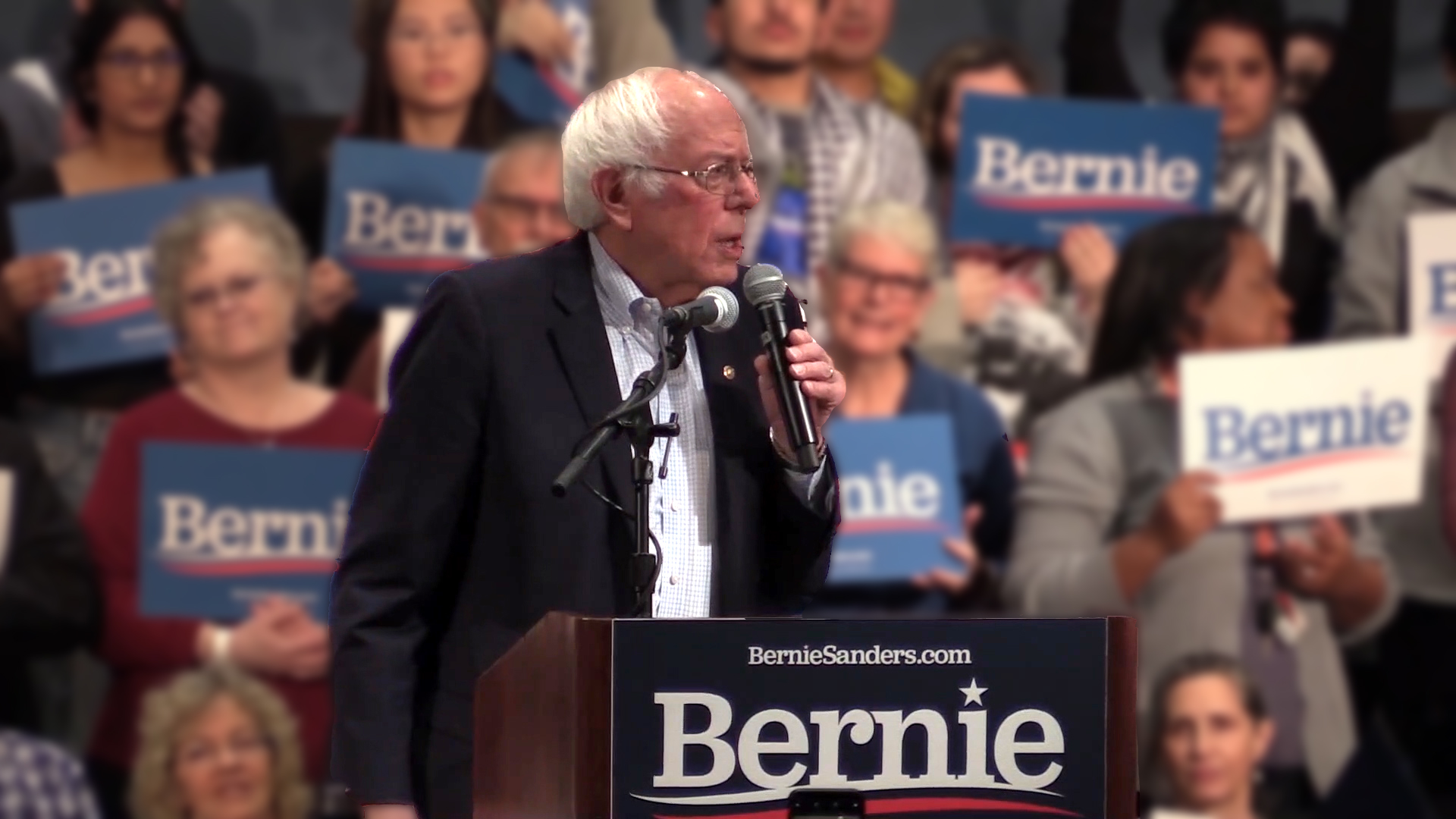
He did not argue that ideological disagreements within the party should disappear. Rather, he argued that groups funded by wealthy interests — particularly those that may back Republicans after a Democratic primary — should not have a role in selecting the Democratic nominee.
Sanders called the arrangement especially troubling when outside organizations spend heavily in a Democratic contest and then support the Republican candidate in the general election if their preferred Democrat loses. He framed that practice as a failure of democratic accountability, saying primary voters, not major donors and allied political groups, should settle the party’s internal contests.
What super PACs can do
Despite the common shorthand of “super PAC donations,” super PACs generally do not donate directly to candidates in the way a traditional political action committee can. They can raise unlimited sums and spend unlimited amounts independently to support or oppose candidates.
Federal rules bar super PACs from coordinating their spending directly with a candidate’s campaign or campaign staff. In practice, though, their advertising, mail, digital outreach and voter-contact campaigns can still shape what voters see and hear during a close race.
That legal distinction is at the heart of the debate. Defenders say independent groups are exercising political speech rights and can help candidates withstand attacks. Critics say the formal prohibition on coordination does not erase the practical influence of enormous spending by donors, corporations, unions and advocacy networks.
A Michigan race sharpened the argument
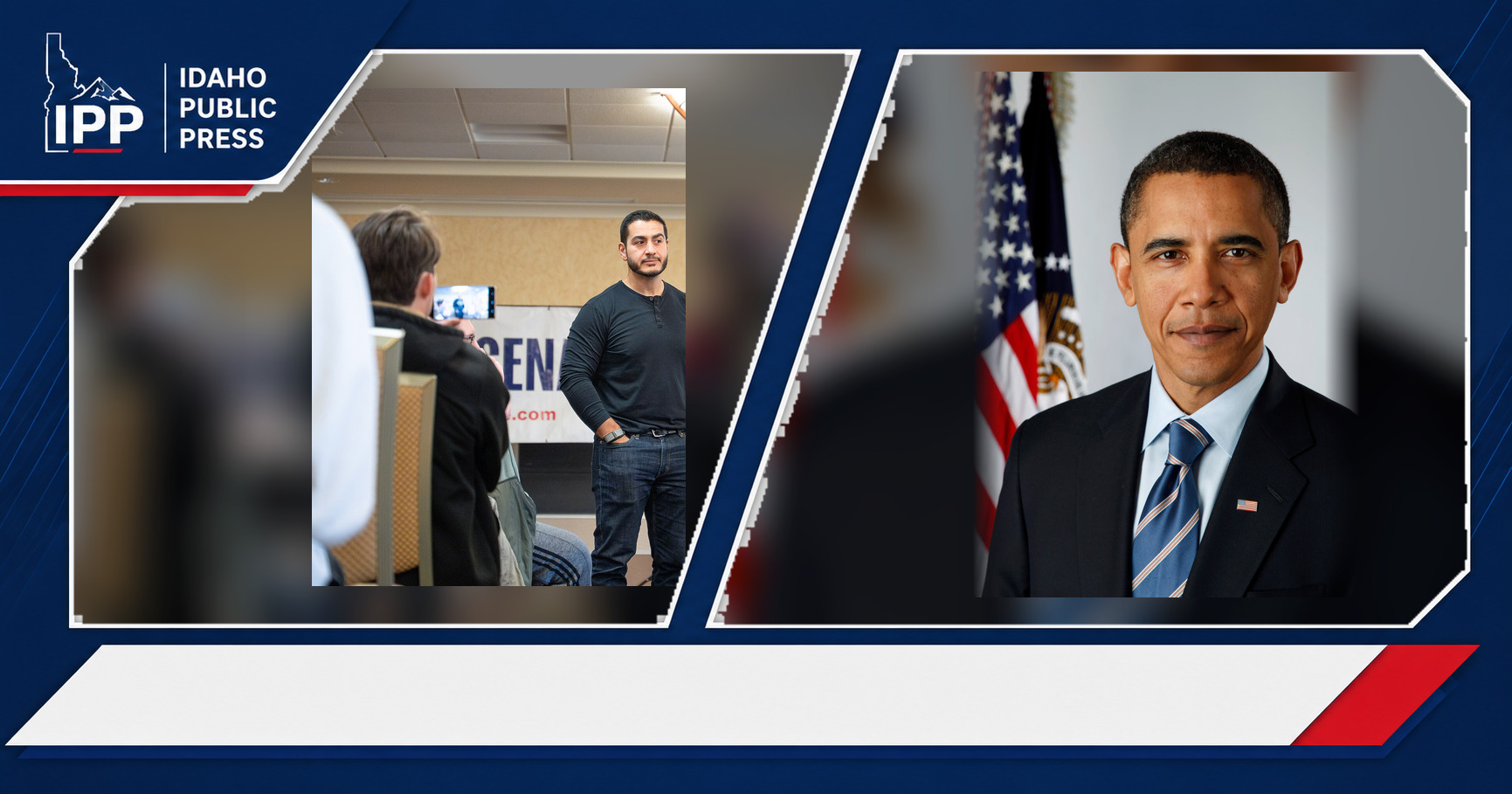
Sanders pointed to Michigan’s Democratic Senate primary as an example of the dynamic he wants party leaders to confront. According to CBS News, Haley Stevens received more than $50 million in support from outside organizations before losing the Democratic contest to Dr. Abdul El-Sayed.
That outside spending included $30 million from the American Israel Public Affairs Committee, or AIPAC, CBS reported. Sanders also cited reports that AIPAC was planning to spend tens of millions of dollars in support of Republican Mike Rogers, El-Sayed’s general-election opponent.
For Sanders, that sequence captures the problem: an outside group can spend heavily to influence a Democratic primary and later work to elect the Republican nominee. His letter argues that such groups do not necessarily share the party’s stated interest in winning the general election, even if they support a particular Democratic candidate in a primary.
Supporters of outside spending would likely see the picture differently. Groups often say they back candidates based on specific policy priorities, not party loyalty alone. They may also argue that spending in a primary gives voters information about candidates’ records and differences — although critics counter that high-cost ad campaigns can overwhelm grassroots voices.
The party’s enforcement problem
Sanders’s request may sound straightforward, but enforcing it would be complicated. Super PACs are legally independent organizations, and federal election law protects a broad range of independent political expenditures.
A Democratic Party rule could establish consequences for candidates, consultants or party committees that cooperate with or welcome certain outside groups. But a party cannot simply stop an unaffiliated group from buying ads, sending mail or speaking publicly about a race.
That means any prohibition would require clear definitions. Would it apply to every independent expenditure committee, including groups supported by labor unions or progressive activists? Would candidates be expected to denounce supportive super PAC ads? Could a party realistically police indirect coordination or strategic signaling?
Those questions help explain why party leaders have often criticized the influence of big money while accepting outside support in competitive races. The same mechanism Democrats may view as corrosive in one primary can be seen as essential protection in another race against a well-funded opponent.
Sanders also seeks broader reform
The letter did not limit Sanders’s ambitions to party rules. He again called for a constitutional amendment to overturn the Supreme Court’s 2010 Citizens United decision, which struck down certain limits on independent political spending by outside groups.
He also advocated legislation to create public funding for elections. Those proposals would require national political support well beyond the Democratic Party and face substantial legal and legislative obstacles.
A party-level primary rule, by contrast, is the nearer-term action Sanders wants Schumer, Jeffries and Martin to consider. It would not eliminate outside spending from U.S. politics, but it could make a statement about the kind of spending Democratic leaders are willing to accept in their own nominating contests.
Why the demand matters now
The fight is ultimately about more than campaign-finance terminology. Primary elections decide who gets access to a party label, donor networks and the institutional support that can determine a general election. When outside groups spend at a scale campaigns cannot match, their role becomes a test of who holds real influence inside the party.
Sanders’s demand forces a direct choice between two Democratic priorities: limiting wealthy interests’ power over nominations and preserving every available financial advantage against Republicans. There is no indication in the CBS report that the Democratic leaders addressed in the letter have agreed to Sanders’s proposed ban.
What remains unclear is whether the party could craft a rule tough enough to change candidate behavior without being largely symbolic — or whether Democrats are prepared to give up outside financial support in primaries when so much money is already flowing into the 2026 elections.



Leave a Reply