
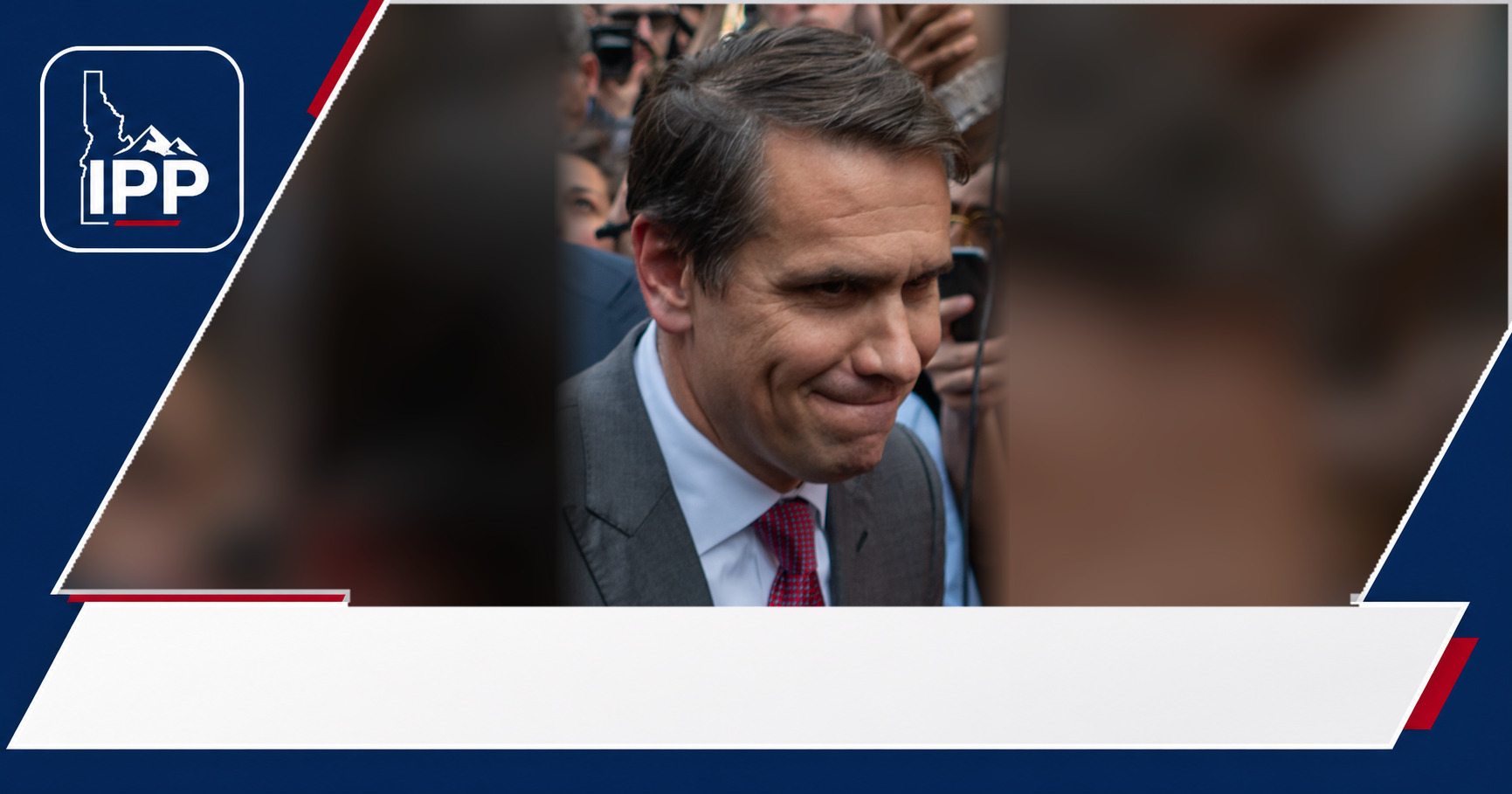
The 50-49 Senate vote puts Todd Blanche in charge of the Justice Department after a contentious confirmation fight. The narrow result has intensified scrutiny of whether DOJ can preserve the distance from political power that critics say is essential to public trust.
Todd Blanche was confirmed as attorney general in a narrow Senate vote on August 8, 2026, with the United States Senate approving him 50-49 to lead the U.S. Department of Justice. The Todd Blanche confirmation followed a contentious fight, and critics warned that his confirmation could threaten the independence of the Department of Justice.
Senate Republicans narrowly supplied the votes needed for Blanche, putting a lawyer with close ties to President Donald Trump at the head of the department responsible for federal law enforcement. The immediate question is not whether an attorney general may pursue an administration’s priorities; that is expected. It is whether prosecutors and investigators can make case-specific decisions without political pressure.
A one-vote margin carries weight
A 50-49 confirmation is a clear constitutional victory, but it is also a reminder of how divided the Senate was over Blanche’s nomination. A narrow result does not limit an attorney general’s legal authority, yet it can shape the political environment in which that official begins.

For Blanche, the vote means he takes office with unusually sharp attention on his early decisions. Personnel changes, public statements, investigative priorities and contacts with the White House are likely to be read as signals about how he intends to run the department.
Reuters reported that Senate Republicans narrowly confirmed Blanche. The result capped a confirmation battle in which concerns about the Justice Department’s institutional independence became a central line of criticism.
What DOJ independence actually means
The Justice Department is part of the executive branch. The attorney general is nominated by the president and confirmed by the Senate, so the department is not independent in the same way as a court.
Still, “DOJ independence” is a meaningful governing norm. It generally refers to separating broad policy direction from decisions about specific criminal cases, charging choices, investigations and prosecutions. Presidents can set priorities on issues such as violent crime, immigration, antitrust enforcement or civil-rights enforcement. The more sensitive boundary concerns intervention in a particular person’s case.
That distinction matters because federal prosecutors wield extraordinary power: they can investigate, seek charges, negotiate pleas and make sentencing recommendations. Public confidence is harder to sustain when those decisions appear to favor allies or punish opponents.
Independence is therefore less a switch that is either on or off than a set of practices. Internal review procedures, professional career staff, written policies, inspector general oversight, congressional oversight and judicial review can all act as checks. None eliminates the attorney general’s authority, but each can make political interference more visible and more difficult.
Why Blanche faces unusual scrutiny
Blanche arrives at DOJ with a public profile that few attorneys general bring to the job. He represented Trump in major legal matters before being selected to lead the department, creating an obvious focus for critics concerned about the separation between a president’s personal interests and the government’s law-enforcement power.
Supporters can see that background differently. They may argue that a president is entitled to choose a trusted lawyer who understands his legal and policy agenda, and that Senate confirmation provides the required democratic check. They can also point out that any attorney general necessarily serves in an administration with political goals.
The opposing argument is not that personal familiarity automatically proves improper conduct. It is that close prior professional ties raise the stakes for visible safeguards, especially in matters touching the president, former clients, political adversaries or investigations associated with prior administrations.
That debate will turn on conduct, not simply biography. Blanche’s supporters and detractors will be watching whether he makes clear when normal departmental processes—not personal or political considerations—are driving consequential decisions.
The early choices that matter most
The first test of an attorney general is often management. Blanche will oversee a department that includes the FBI, U.S. attorneys’ offices, litigating divisions and thousands of career lawyers and investigators. His selections for senior posts may offer the earliest concrete evidence of his approach.
Several decisions will carry particular significance:
- White House contacts: Whether DOJ maintains clear channels and limits discussions of individual investigative or prosecutorial matters.
- Recusal decisions: Whether Blanche steps aside from matters where prior representation or personal involvement could create an actual or perceived conflict.
- Career-staff protections: Whether experienced prosecutors can provide candid advice and follow established procedures without retaliation for professional disagreement.
- Public explanations: Whether the department gives credible legal and factual reasons for major reversals, dismissals or new enforcement initiatives.
Those choices will not settle every dispute. Law enforcement policy always involves judgment, and reasonable people can disagree over what DOJ should prioritize. But transparent procedures can help distinguish a tough policy change from a politically targeted intervention.
Congress and courts remain checks
The Senate’s role did not end with the 50-49 vote. Senators can hold oversight hearings, seek records, question department officials and use funding legislation to press for answers. The Justice Department’s inspector general can investigate certain allegations of misconduct inside the department.
Courts also serve as a practical constraint. Prosecutors must persuade judges when they seek warrants, file cases, negotiate dispositions or ask for penalties. Defendants can challenge government action, and judges can require explanations in public proceedings.
Those safeguards have limits. Much of the department’s most important work occurs before a case reaches court, and some investigative decisions are never fully visible to the public. Congressional oversight can also break down along party lines. That is why internal norms and leadership choices still matter.
The confirmation starts the real test
Blanche’s confirmation settles the Senate’s immediate question: he has been approved to serve as attorney general. It does not resolve the larger argument over the Department of Justice’s role in a polarized political era.
Critics will judge his tenure by whether DOJ appears to apply the law evenly, including when investigations involve politically powerful people. Supporters will judge it by whether he delivers on the administration’s enforcement agenda while restoring what they see as proper accountability within the department.
The unresolved issue is practical rather than abstract. In the months ahead, Blanche’s decisions about recusals, personnel, investigations and communications with the White House will show how he interprets the independence concerns raised during his contentious confirmation fight.









Leave a Reply