
The public record does not prove a diagnosis, but it does show a growing fight over transparency. Here is what is known, what is alleged and what the White House has not fully explained.
Claims that “Donald Trump’s physical and mental health are in decline” are now being weighed against the White House physician’s health reports and a June 18, 2026 inquiry from Rep. Jamie Raskin in Washington, D.C., and the article examines the evidence for those claims: White House records dated April 13, 2025, June 7, 2025, July 17, 2025 and May 29, 2026; Raskin’s questions about 22 medical specialists; and concerns attributed in commentary to senior doctors.
The point is not to diagnose Trump from afar. It is to separate public facts from political suspicion at a moment when presidential health has again become a fight over transparency, trust and what voters are entitled to know.
The claim versus the record
The latest burst of attention began with an opinion claim, not an official medical finding. That distinction matters. An assertion that Trump’s physical or mental condition is worsening may drive debate, but it is not the same as a diagnosis, a test result or a statement from a treating physician.
The public record is narrower. The White House has posted health-related physician memoranda and statements on several dates, including April 13, 2025, June 7, 2025, July 17, 2025 and May 29, 2026. Those postings show that the administration has released some physician communications, but the materials available in the extracted record do not amount to a full public medical file.
That gap is where the controversy lives. Supporters of Trump point to positive official language about his health. Critics argue that summaries without underlying detail leave too much room for selective disclosure, especially when questions involve cognition, hospital visits and the number of doctors involved.
Raskin’s 22-specialist question
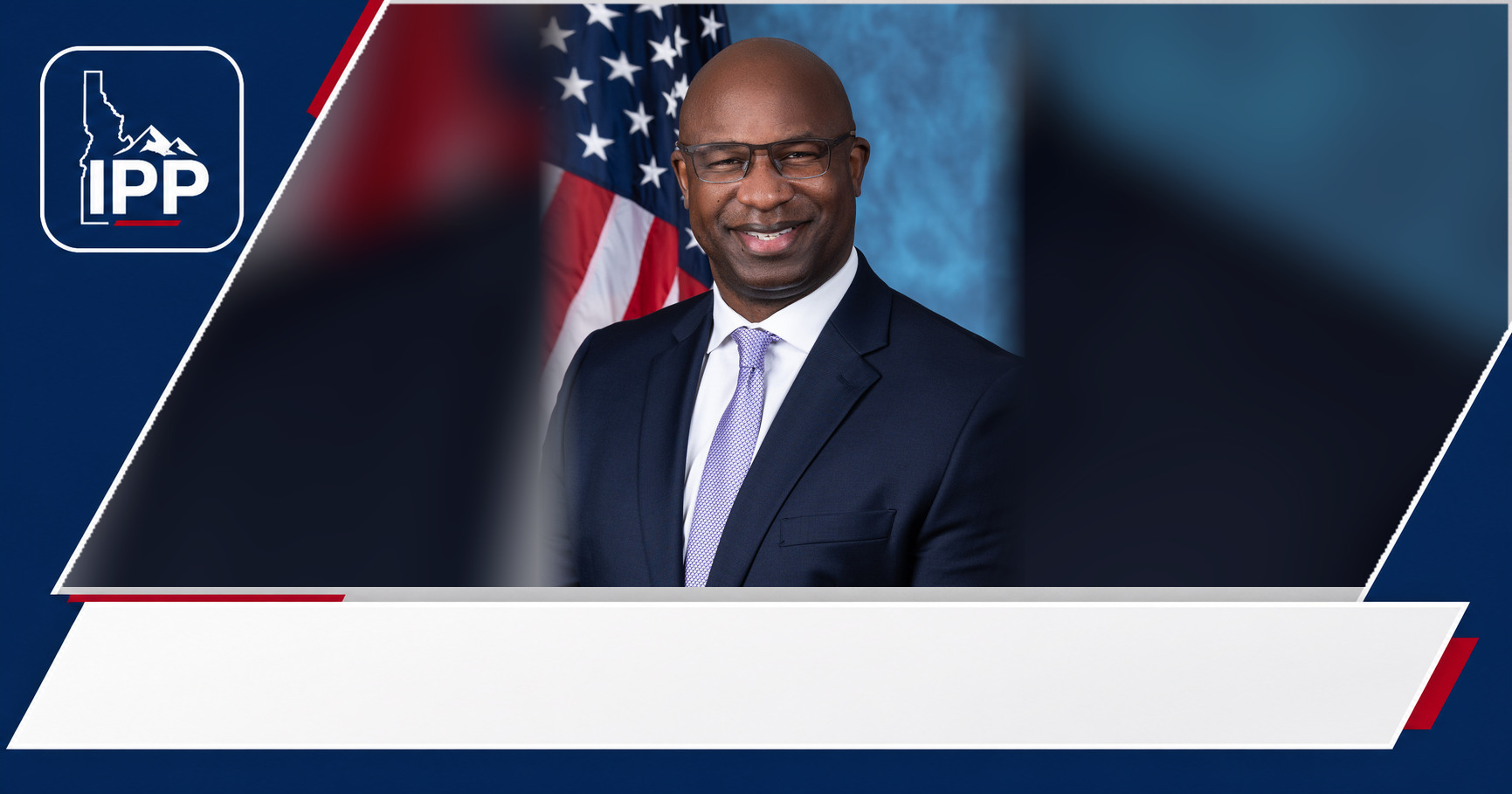
The sharpest public challenge came from Rep. Jamie Raskin, the ranking Democrat on the House Judiciary Committee. In a June 18, 2026 release from Washington, D.C., Raskin said he had written to White House Physician Captain Sean Barbabella seeking information about what he described as inconsistencies in Trump health reports and the failure to release cognitive exam results.
Raskin’s letter, according to the committee release, followed a Washington Post report that the president was being seen by 22 medical specialists. The release quoted Raskin saying it had “apparently taken twenty-two medical specialists” to pronounce Trump in “excellent health,” while questioning why such a large team would be necessary for a routine physical.
That framing is pointed and partisan, but the question is concrete: who were the specialists, what fields do they practice in, and why were they involved? The White House may view that as private medical detail. Raskin argues it is relevant to assessing the president’s capacity and the completeness of official disclosures.
The committee release also referred to a May 26, 2026 visit to Walter Reed Medical Center that it said lasted three hours. The available extracted material does not independently establish the medical reason for that visit, which is precisely why the dispute has focused on what has not been released.
What the physician reports do
White House physician reports traditionally serve two audiences at once: the president and the public. They are medical communications, but they are also political documents because they are filtered through an institution with a strong interest in projecting stability.
The White House record cited in the research shows multiple physician-related postings, including a July 17, 2025 memorandum from the physician to the president and a May 29, 2026 memorandum from the White House physician. It also shows related White House statements dated April 13, 2025 and June 7, 2025.
Those documents matter because they are official. They also have limits. Public physician summaries often do not include raw labs, detailed imaging, specialist notes, neuropsychological testing batteries or the full reasoning behind a physician’s conclusion.
That is not unusual for presidents. It is also why health disclosures are often contested. A phrase like “excellent health” can be true as a physician’s overall assessment while still leaving unanswered questions about symptoms, medications, testing or the reason for specialist consultations.
Cognitive questions raise the stakes
Questions about physical health are not new in presidential politics. Questions about cognitive testing are more volatile because they touch directly on judgment, memory, stamina and the ability to perform the duties of the office.
Raskin’s release specifically cited a failure to release cognitive exam results. That does not prove impairment. It does show that the dispute is not only about height, weight, cholesterol or cardiovascular risk. It is about whether the public has enough information to evaluate claims about mental fitness.
Medical experts generally caution against diagnosing public figures from clips, verbal slips or secondhand descriptions. Political opponents often overread visible stumbles, while allies often dismiss legitimate questions as bad-faith attacks. Both instincts can distort the record.
A more useful standard is transparency: what testing was performed, who reviewed it, what was concluded and what can be released without compromising legitimate privacy. For a sitting president, the line between privacy and public interest is narrower than it is for an ordinary citizen.
Why this keeps resurfacing
Presidential health stories persist because the stakes are obvious. The president controls the executive branch, commands the armed forces and is expected to make decisions under pressure. Even small uncertainties can become large political narratives when official information is limited.
Trump is also a uniquely polarizing figure, which makes health claims especially combustible. Critics may see signs of decline in public appearances. Supporters may see a familiar media pattern: speculation built on hostility rather than evidence.
The available evidence supports neither a sweeping public diagnosis nor a complete dismissal of the transparency questions. What it does support is a narrower conclusion: official health summaries exist, but congressional critics say they do not explain the reported involvement of 22 specialists, the scope of cognitive testing or the reasons for specific medical visits.
That is enough to keep the issue alive, especially if the White House does not provide more detail or if additional reporting surfaces about Trump’s medical care.
What remains unanswered
The unanswered questions are practical, not abstract. They include whether the White House will identify the specialties involved in Trump’s care, whether any cognitive assessment results will be released, and whether future physician memoranda will include more detail than broad conclusions.
There is also a broader precedent at stake. Presidents of both parties have faced criticism for limited health transparency. Once in office, administrations tend to disclose what reassures the public and withhold what could create political risk.
For now, the responsible reading is cautious. There are claims that Trump’s physical and mental health are declining. There are official White House physician reports describing his health in favorable terms. And there is a documented congressional inquiry pressing the White House physician for more detail.
Until fuller records are released, the debate will remain less about a confirmed medical condition than about confidence: whether the public believes the White House has shown enough to support its assurances.






Leave a Reply