
The emerging accord could ease pressure on global shipping and energy markets. It also raises a harder question: who gets to control traffic through one of the world’s most sensitive waterways?
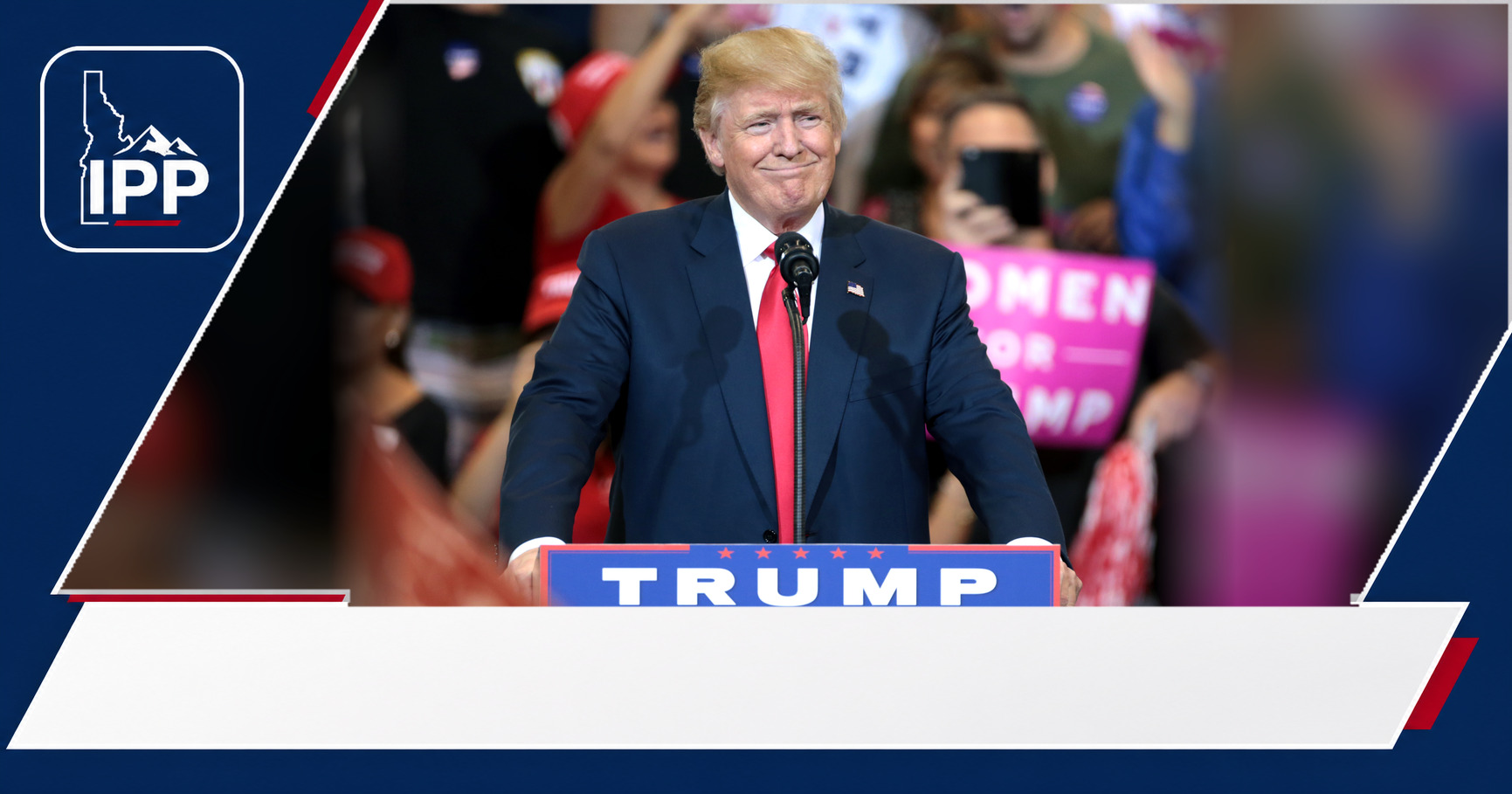
Donald Trump is excluded from a new deal to reopen the Strait of Hormuz as Iran and Oman are closing in on an agreement to reopen the strait, according to officials cited in reporting on the talks. The proposed arrangement, effectively leaving Trump cut out while Tehran and Muscat shape the route, would affect control of shipping traffic through the waterway by sending Gulf-bound ships through a channel controlled by Iran and outbound ships near Oman.
That matters now because reopening the Strait of Hormuz could relieve pressure on commercial shipping, energy flows and Trump’s foreign-policy agenda. But the same deal could also hand Iran a stronger operational role over a passage long treated as an open international waterway.
A reopening with a price
The emerging deal, described by Iranian and American officials to The New York Times, would restore shipping traffic through the Strait of Hormuz after a closure that has become a major political and economic problem. The strait is the narrow maritime gateway between the Persian Gulf and the Gulf of Oman, making it a critical corridor for cargo ships and oil tankers.
The trade-off is the core of the dispute. Reopening the channel sounds like a win for global commerce. But the proposed routing would appear to formalize Iran’s role in managing at least part of the traffic pattern through the strait.
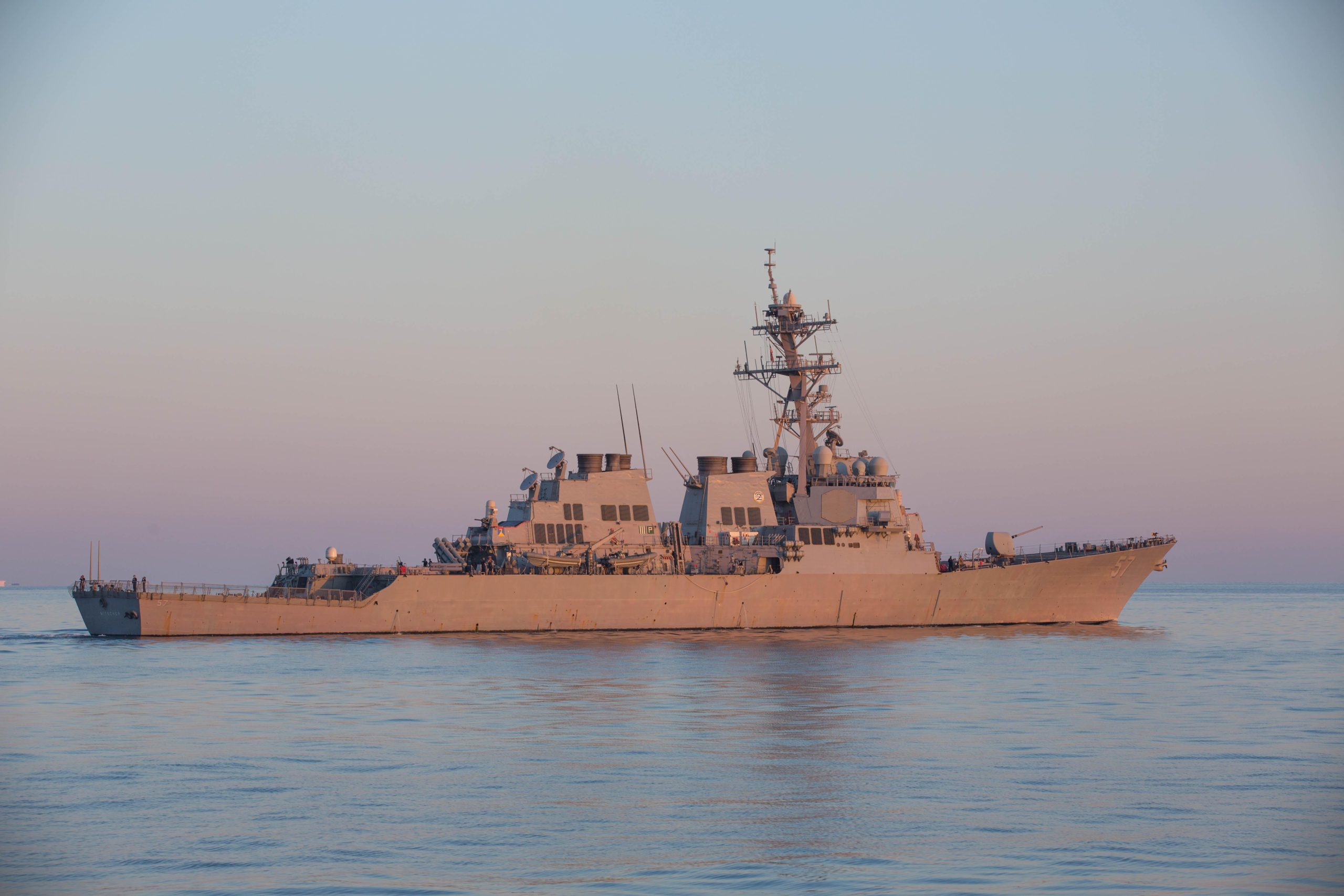
Officials familiar with the proposal told the Times that vessels entering the Persian Gulf would use a channel near Iran and controlled by Iran. Ships leaving the Gulf would travel through a channel closer to Oman.
That structure is why the deal is politically costly for Trump. It could get ships moving again, but not on terms led by Washington.
Iran and Oman take center stage
Oman’s role is not incidental. Muscat has often served as a diplomatic bridge in Gulf crises, trusted enough by adversaries to host or facilitate talks that would be impossible in a more public forum. In this case, Oman would be more than a messenger: it would be part of the traffic-management framework itself.
Iranian officials have described a setup in which revenues from a proposed “service fee” would be split equally between Iran and Oman, according to the Times. They said the fee would cover environmental costs, ship and cargo security, staffing and related operations.
That description immediately raises the most sensitive question in the deal: is a “service fee” meaningfully different from a toll? Iranian officials say there would be no tolls. A U.S. official familiar with the negotiations pushed back, telling the Times that the Iranian account was “not accurate” and that any temporary routes would not require Iranian approvals or permissions and would not involve tolls.
The disagreement is not semantic. If ships must pay, seek permission or follow routes controlled by Iran, the arrangement could be seen as a shift in practical authority over the waterway. If the routes are temporary emergency lanes with no Iranian approval power, the deal looks more like a stopgap to get commerce moving.
Why Trump is sidelined
The “Trump cut out” framing reflects a larger problem for the White House: the country most eager to restore shipping may not be the country setting the terms. Trump could benefit politically from reopened traffic, especially if market pressure eases. But the reported Iran-Oman track would put the decisive operational agreement in regional hands.
The Times reported that, for Trump, the deal could solve his most urgent political problem by allowing ships to flow again. That is the upside. The downside is that he would have to accept a reopening plan that may strengthen Tehran’s hand.
Iranian officials have also attached conditions. They said the strait would remain closed despite any agreement unless the United States lifts its naval blockade against Iranian ports in the Persian Gulf and both sides return to a 14-point plan laid out in the Islamabad memorandum of understanding.
That makes the reopening less like a simple maritime fix and more like leverage in a wider U.S.-Iran confrontation. The ships are the visible issue. Sanctions, blockades and recognition of authority are the harder bargain underneath.
Competing versions of control
The public record shows sharply different narratives of what is being negotiated. Iranian officials present the plan as a managed reopening, with Iran and Oman sharing responsibilities and revenue. The U.S. account, at least as described by one official, rejects the idea that Iran would gain approval power over transit.
Reuters reported in May that Iranian state television had described a draft framework that would reopen Hormuz shipping, exclude military vessels and envision Iran managing ship traffic through the strait in cooperation with others. That earlier report matters because it shows Iran has been publicly floating a version of reopening tied to traffic management and military restrictions.
The military-vessel issue is especially delicate. Commercial shipping can be reopened while naval access remains contested, but that would create a two-tier arrangement: easier passage for tankers and cargo ships, continued friction for warships. For Washington, that distinction could be unacceptable if it limits U.S. naval freedom in the Gulf.
Without a final public text, it is not possible to know whether the emerging agreement would create new legal rights, a temporary operational workaround or a politically useful ambiguity that each side can sell at home.
Markets want movement, not ambiguity
Shipping companies and energy traders generally prize predictability. They need to know which route is open, who controls it, what fees apply and whether military escalation could close it again. A reopening that depends on disputed interpretations may calm markets briefly while leaving the next crisis unresolved.
That is why the service-fee dispute matters beyond diplomacy. A fee to cover security and environmental costs may sound administrative. But if it becomes a recurring payment tied to passage through a channel controlled by Iran, companies could treat it as a new cost of doing business in the Gulf.
The United States has another lever: sanctions exemptions. The Times reported that some officials said Washington could ease market pressure further by issuing exemptions that allow Iran to legally sell and deliver oil. That would be a major policy choice, not a technical shipping measure.
For Trump, sanctions relief could be attacked as a concession. Refusing it could keep pressure on markets and shipping. The Hormuz deal exposes that bind: the fastest route to reopening may require steps that look politically uncomfortable.
What remains unresolved
The biggest unknown is whether the Iran-Oman agreement will actually go into effect. Iranian officials have signaled that reopening is conditional on U.S. moves, including lifting the naval blockade against Iranian ports and returning to the Islamabad framework. A deal on routing may not matter if those conditions are not met.
It is also unclear how much authority Oman would have in practice. If outbound traffic near Oman is managed by Muscat while inbound traffic near Iran is managed by Tehran, the arrangement could create a balanced regional mechanism. If Iran gains the more consequential power over Gulf-bound traffic, critics will see the deal as a strategic win for Tehran.
The final question is whether Trump tries to reinsert the United States into the process. Publicly rejecting the arrangement could preserve Washington’s position on freedom of navigation, but it could also prolong disruption. Quietly tolerating it could reopen the strait while allowing Iran and Oman to claim the diplomatic victory.
For now, the emerging Hormuz deal offers a narrow opening: ships may move again. The price is that control of the route, and the politics around it, may move away from Washington.





Leave a Reply