
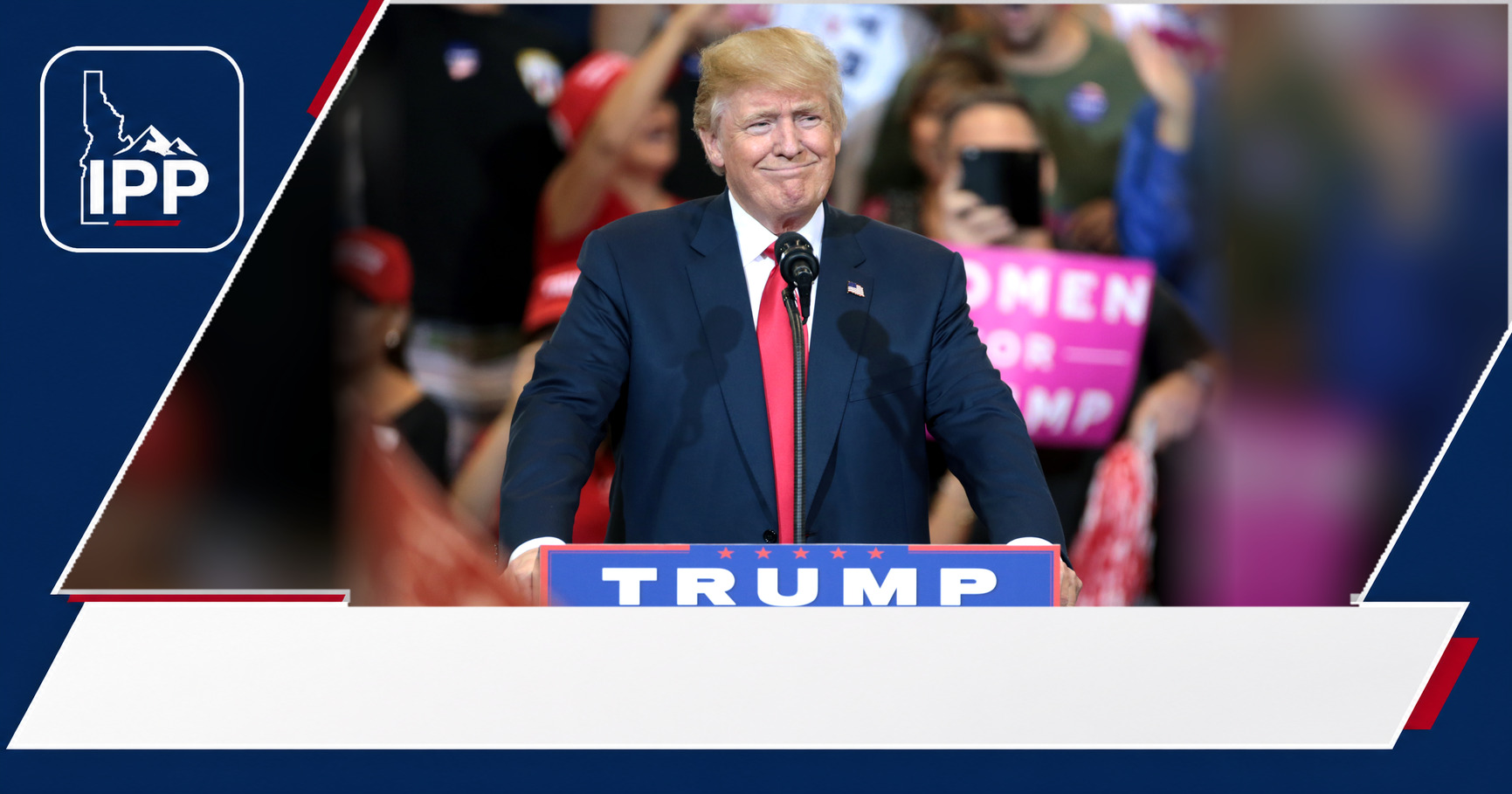
A vandalism case tied to Donald Trump’s showcase Reflecting Pool project is now a political problem for his own team. Collins’ montage showed how quickly the official story shifted.
Kaitlan Collins criticizes Trump associates over the Reflecting Pool controversy after prosecutors in Washington, D.C., moved Friday to drop charges against former Olympian David Hearn and three others accused of damaging the Lincoln Memorial Reflecting Pool.
On Monday, Collins used a CNN montage to highlight the dispute over who damaged the Lincoln Memorial Reflecting Pool, contrasting earlier claims from Jeanine Pirro, Karoline Leavitt and Doug Burgum with a Justice Department filing that reframed the damage as shoddy construction. The episode embarrassed Donald Trump and his allies because Pirro, the U.S. Attorney for the District of Columbia, had once echoed the vandalism claims she later moved away from in court.
Collins showed the reversal
The sharpest part of Collins’ segment was not just that the case changed direction. It was that the people who had publicly sold one explanation were now being confronted with a government filing pointing somewhere else.
According to The Daily Beast’s account of the segment, Collins said Pirro’s filing put her at odds not only with Trump, but also with public comments previously made by White House press secretary Karoline Leavitt, Interior Secretary Doug Burgum and Pirro herself.
The montage reportedly included Leavitt describing vandalism as a serious problem, Burgum discussing box cutters and alleged efforts to damage part of the monument, and Pirro saying in July that the indictment reflected vandalism and that someone was intent on doing major damage to the pool.
That is why the clip landed politically. Collins was not simply fact-checking a stray quote. She was showing a chain of official or semi-official statements that had treated the Reflecting Pool damage as intentional destruction before prosecutors backed away from that theory.
The case prosecutors dropped
The underlying case involved Hearn, a former Olympian, and three others who had been accused of vandalizing the Lincoln Memorial Reflecting Pool. Prosecutors moved Friday to drop the charges, The Daily Beast reported.
Instead of pressing the vandalism allegations, the filing pointed toward another explanation: problems with the pool’s construction. The filing said government records “strongly suggest” that a rushed and botched installation by AIC, described as the primary contractor, caused the damage to the new liner.
That is a major change in posture. A vandalism case is about alleged criminal intent. A construction-defect theory points toward procurement, project management and oversight questions.
For Trump, that difference matters. The Reflecting Pool project had been promoted as the kind of visible public works effort that fit his image as a builder. A collapsed vandalism narrative is bad enough. A finding that the damage may have come from hurried work undercuts the branding more directly.
Trump turned on Pirro
The political tension escalated Monday when Trump criticized Pirro in the Oval Office. According to The Daily Beast, Trump said she had “folded like an umbrella” after the charges were dropped.
That remark immediately shifted attention from the defendants to Pirro’s standing inside Trump’s circle. Pirro, a former Fox News personality and longtime Trump ally, was not an obvious target for public humiliation by the president. But the filing placed her office on the opposite side of Trump’s preferred narrative.
The episode also illustrates a recurring risk for prosecutors in politically charged cases. If the evidence changes, the legal position may have to change with it. But when officials and allies have already made broad public claims, a routine legal correction can become a loyalty test.
That appears to be the dynamic Collins seized on: Pirro was being criticized by Trump for a filing that also contradicted Pirro’s own earlier public framing of the case.
Why the pool became symbolic
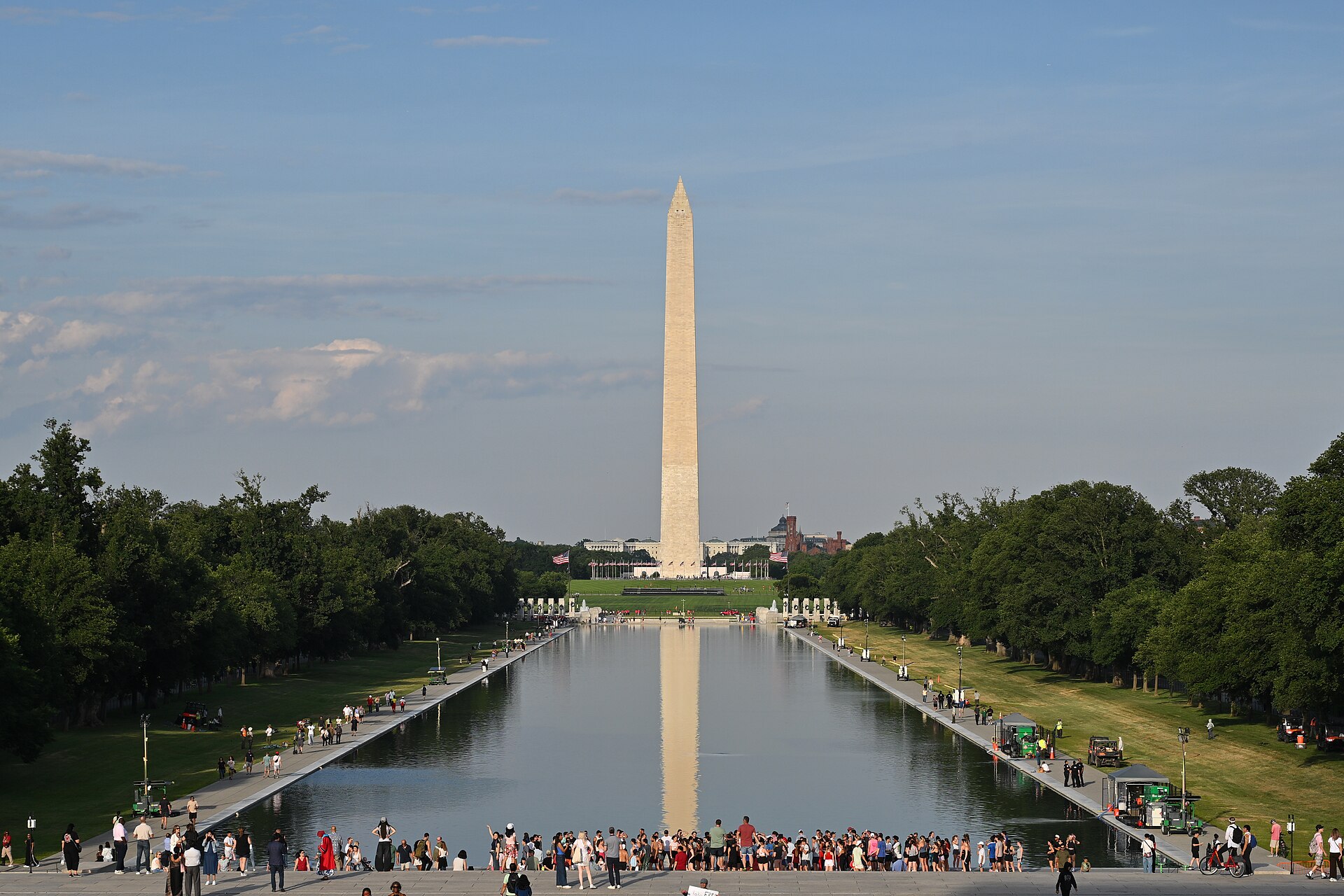
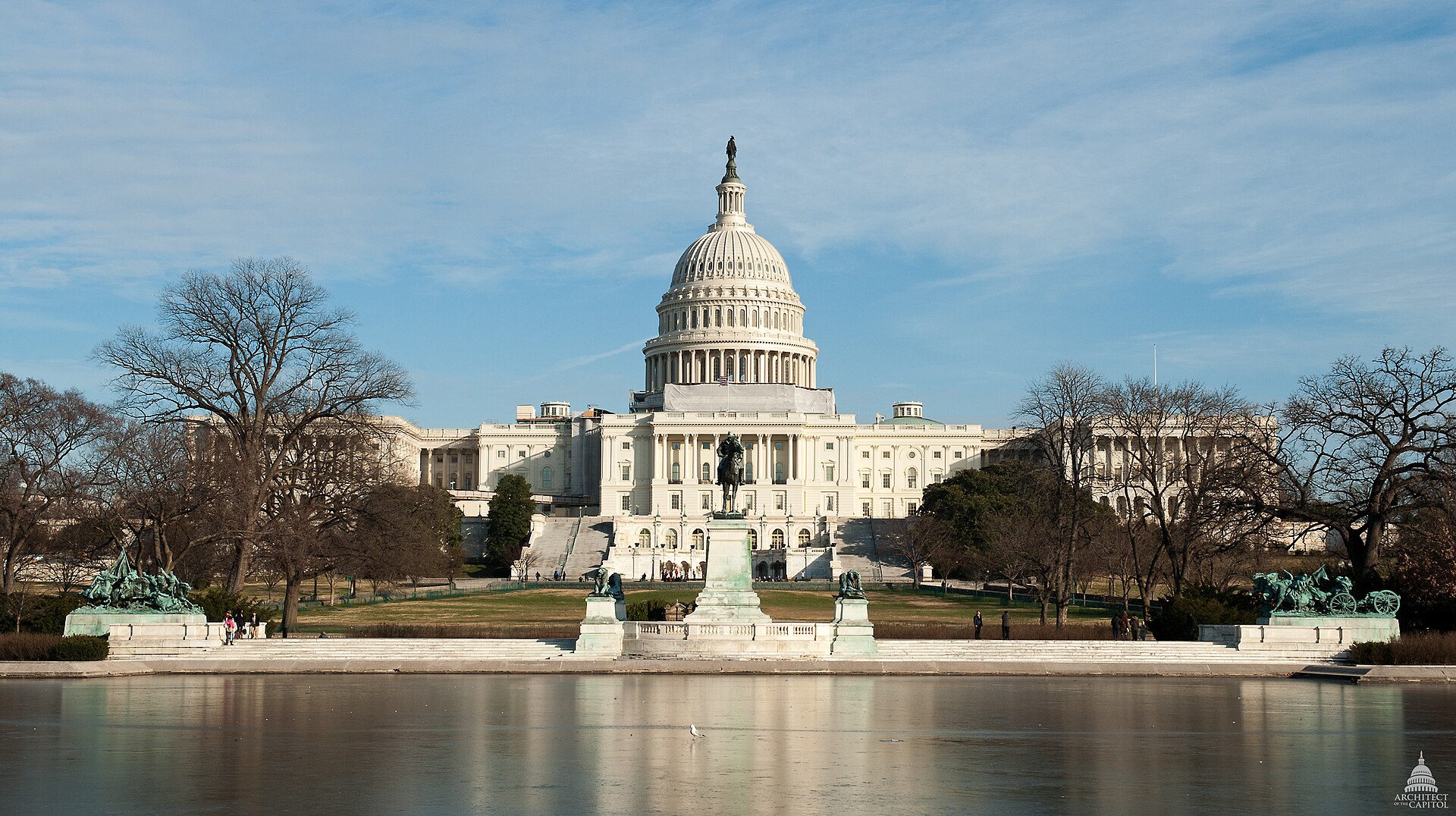
The Lincoln Memorial Reflecting Pool is not just another federal site. It sits in one of the most photographed civic spaces in the country, in front of a monument tied to national memory, protest and presidential symbolism.
That made the condition of the pool unusually visible. The Daily Beast reported that the project had been expedited through the review process with a no-bid contract worth millions. The outlet also reported that the pool later had to be drained again after the lining broke and algae turned the water green.
Those details help explain why the dispute became more than a local maintenance story. If officials had successfully tied the damage to vandals, the administration could frame the problem as an attack on a public landmark. If the damage stemmed from rushed construction, the story becomes one of competence and accountability.
That is the embarrassment Collins’ segment amplified. The public message had been forceful and accusatory. The government’s later filing sounded more like an admission that the earlier certainty may have been misplaced.
The unresolved document fight
The Daily Beast also reported that Pirro accused Burgum’s Interior Department of sitting on documents that would have undermined the investigation. That allegation, if substantiated, would raise a separate question: whether prosecutors had access to key records before the case moved forward.
The Interior Department’s role matters because it oversees major public lands and sites, including national monuments and related infrastructure. If records about construction problems existed and were not promptly shared, that could help explain why prosecutors initially pursued a theory that later collapsed.
There is still a lot the public record does not settle. It is not clear from the available reporting exactly when each office learned about the records, what communications took place among prosecutors and Interior officials, or whether anyone inside the administration pushed the vandalism framing before the evidence fully supported it.
The White House also did not receive advance notice of the filing, a spokesperson said, according to The Washington Post as cited by The Daily Beast. That detail helps explain why the move appeared to catch Trump’s team off guard.
The practical takeaway
Collins’ montage was effective because it compressed a month of confident claims into a single contradiction: officials publicly described vandalism, then prosecutors moved to drop the case and pointed to construction failures instead.
For Trump’s allies, the damage is political as much as legal. The administration’s critics can now argue that a high-profile criminal accusation became a way to deflect from a troubled project. Supporters may counter that prosecutors are supposed to change course when new evidence emerges, even if that creates an awkward public reversal.
Both things can be true. Dropping charges may reflect a necessary legal correction. It can also expose how risky it is for political figures to speak with certainty before the evidentiary record is settled.
The Reflecting Pool case now leaves three questions hanging over Washington: who approved and oversaw the rushed work, why the vandalism narrative hardened so quickly, and whether Pirro’s break with Trump’s version of events will carry consequences inside his administration.



Leave a Reply