
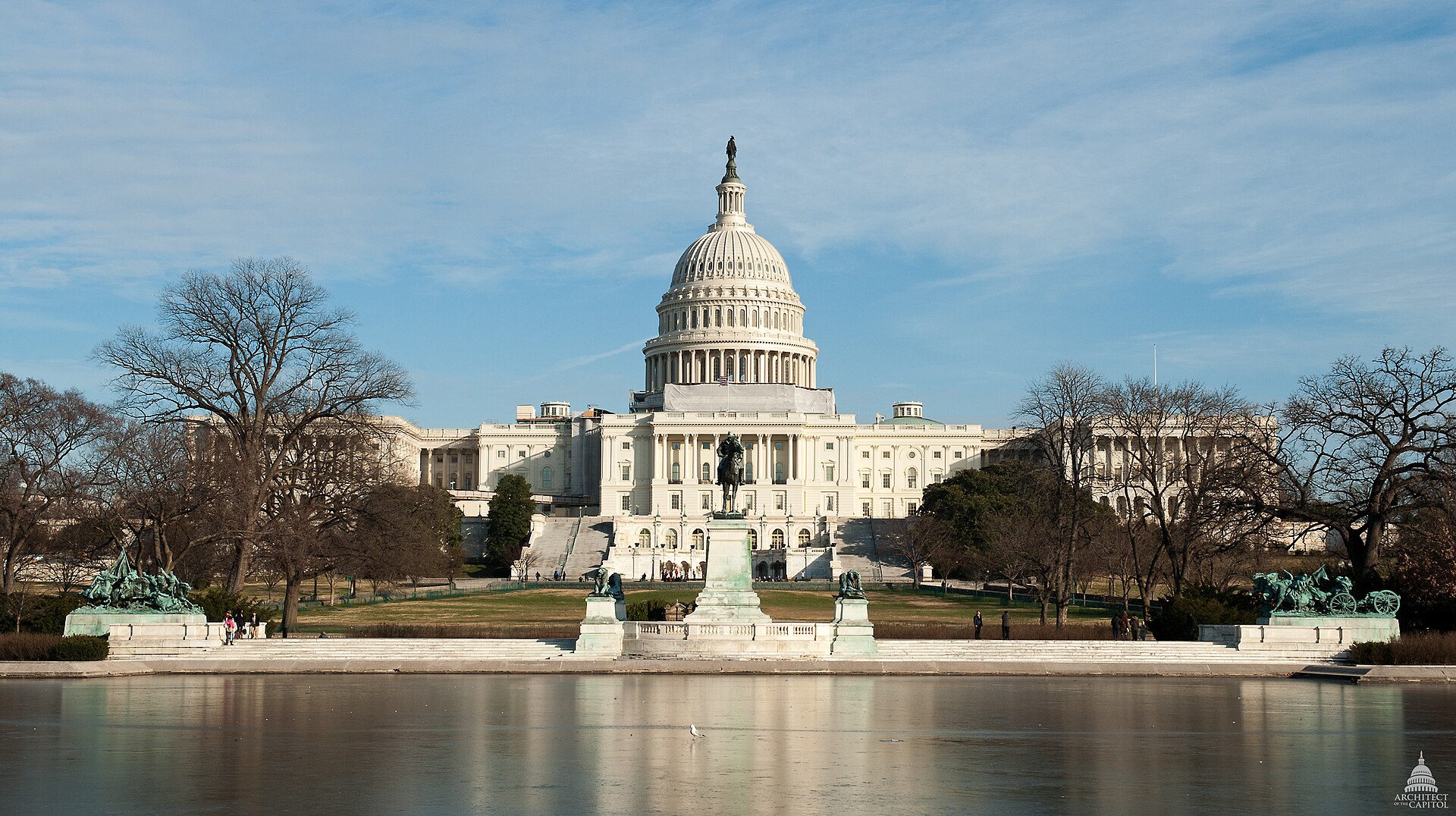
The fight over the Lincoln Memorial Reflecting Pool is now about more than bad optics. House Oversight Democrats are pressing contractors over taxpayer costs, project quality and alleged Trump-linked ties.
Donald Trump’s reflecting pool renovation has become a public debacle: the project at the National Mall in Washington, D.C., cost taxpayers $14 million, yet House Oversight Democrat Robert Garcia says it is now marked by algae and chipping paint. The phrase Trump flat out embarrassed captures the political sting, but the underlying issue is concrete: Garcia says Trump oversaw a failed renovation and is demanding answers from Green Water Solutions and Atlantic Industrial Coatings about non-competitive federal contracts.
The dispute is not just about how the Lincoln Memorial Reflecting Pool looks in tourist photos. It is about who got paid, why standard bidding was bypassed, whether the work delivered what taxpayers bought, and how quickly the federal government can fix a high-profile national site when a presidential showcase project turns into a maintenance headache.
A showcase fix became the story
The reflecting pool sits in one of the most photographed civic spaces in the country, stretching between the Lincoln Memorial and the World War II Memorial. When work there fails, the result is hard to hide. Visitors see it. Cameras see it. Members of Congress see it.

Garcia, the ranking Democrat on the House Committee on Oversight and Government Reform, said the renovated pool is now filled with algae and showing paint that is chipping despite the $14 million cost. In a statement from Oversight Democrats, he called the renovation a failed vanity project and said taxpayers deserve answers from the companies involved.
That framing is political, but the physical complaint is specific. Algae and flaking paint are not abstract policy disagreements. They are visible signs that a repair or beautification project may not be holding up, especially in a site that is meant to represent national permanence.
The National Park Service is responsible for many of Washington’s most recognizable public spaces. According to Oversight Democrats, it awarded the contracts at issue without the usual competitive process, a decision Garcia argues raises questions about price, qualifications and oversight.
The contracts are the flashpoint
Garcia’s letters targeted two companies: Green Water Solutions, described by the committee as the contractor handling algae, and Atlantic Industrial Coatings, described as the contractor hired to paint the pool. Oversight Democrats said both firms have ties to Trump entities.
The committee said the owner of Green Water Solutions had donated extensively to Trump’s campaign and Trump-linked groups, including $250,000 to the Trump Victory fundraising committee in 2020. It also said the company had experience with only one other federal contract, another non-competitive award granted by the Trump administration the previous year.
Atlantic Industrial Coatings drew a different kind of scrutiny. Oversight Democrats said the company had never won a federal contract before and had done work on pools at a Trump golf course.
Those details do not by themselves prove wrongdoing. Political donations and prior private work do not automatically disqualify a contractor. But they do sharpen the question Garcia is pressing: why were these particular companies selected without open competition for a highly visible public project?
Why no-bid work matters
Non-competitive contracting is not always improper. Federal agencies can use it in certain circumstances, including emergencies, specialized services or situations where only one provider is deemed capable. The problem is that bypassing competition removes one of the government’s basic checks on cost and quality.
Competitive bidding can force companies to show qualifications, compare prices and document why their proposal offers value. It also creates a paper trail that helps protect agencies from claims of favoritism. When a project later appears to fail, the absence of competition becomes part of the story.
That is why Garcia is not simply complaining about algae. He is asking for information and documents to understand how the contracts were awarded and how the work was performed. In the committee’s telling, the visible condition of the pool is evidence that oversight may have been weak from the start.
The contractors and the agencies involved may have explanations that are not included in the Oversight Democrats’ release. Outdoor water features are difficult to maintain, weather can affect coatings, and algae control depends on chemistry, design and routine operations. The unanswered question is whether those challenges were anticipated, priced properly and handled by qualified firms.
A national symbol raises the stakes
The Lincoln Memorial Reflecting Pool is not just another federal facility. It is part of the setting for landmark moments in American history, from civil rights marches to presidential inaugurations and public vigils. Its appearance carries symbolic weight because it is tied to how the country presents itself.
That symbolism makes the politics sharper. Trump has long favored highly visible construction and beautification projects, and critics often describe those efforts as branding exercises. Supporters tend to see them as proof of attention to public spaces and national pride.
This case gives each side a familiar argument. Critics see a costly project routed to politically connected contractors that allegedly produced poor results. Defenders could argue that the renovation was meant to improve a neglected landmark and that Democrats are using maintenance issues to score points against Trump.
The facts that matter most are less theatrical: what the contracts required, whether the companies met those requirements, what inspections found, and whether taxpayers will be charged again to correct problems.
Garcia wants documents, not apologies
Garcia’s move is an oversight demand, not a court finding. He is seeking answers from the contractors, and the committee’s release says he is demanding documents related to the project’s failures. That keeps the focus on records rather than rhetoric.
The documents could show how the scope of work was written, who recommended the contractors, what role the National Park Service played, and whether anyone raised concerns before the contracts were awarded. They could also show whether the government has warranties, performance guarantees or other remedies if the work is defective.
What remains unclear is whether Green Water Solutions, Atlantic Industrial Coatings, the National Park Service or the Trump administration will dispute Garcia’s characterization. The available Oversight Democrats material lays out allegations and demands, but it does not include detailed responses from the contractors.
That matters because the next phase will determine whether this stays a political embarrassment or becomes a broader contracting controversy. If records show routine justification and correctable maintenance problems, the story may narrow. If they show weak vetting, special treatment or ignored warnings, the fallout could grow.
The takeaway for taxpayers
The immediate image is simple: a $14 million renovation at one of Washington’s most famous public spaces is being criticized because algae and paint problems are visible. The accountability question is more durable: when the government spends public money on a prestige project, who makes sure the work is qualified, fairly awarded and built to last?
Garcia’s pressure campaign is aimed at forcing that question into the open. The strongest version of his case is not that the project looks bad, but that the contracting process may have made a bad result more likely.
For Trump, the risk is reputational as much as administrative. A project attached to presidential image-making can quickly become a symbol of waste if it appears rushed, favored or poorly executed. For the contractors, the risk is documentary: emails, bid records, invoices and inspection notes can turn a public-relations problem into a detailed oversight file.
The pool itself will eventually be cleaned, repainted or repaired. The harder fix may be explaining how a national landmark became the center of a $14 million fight over loyalty, competence and public money.







Leave a Reply