
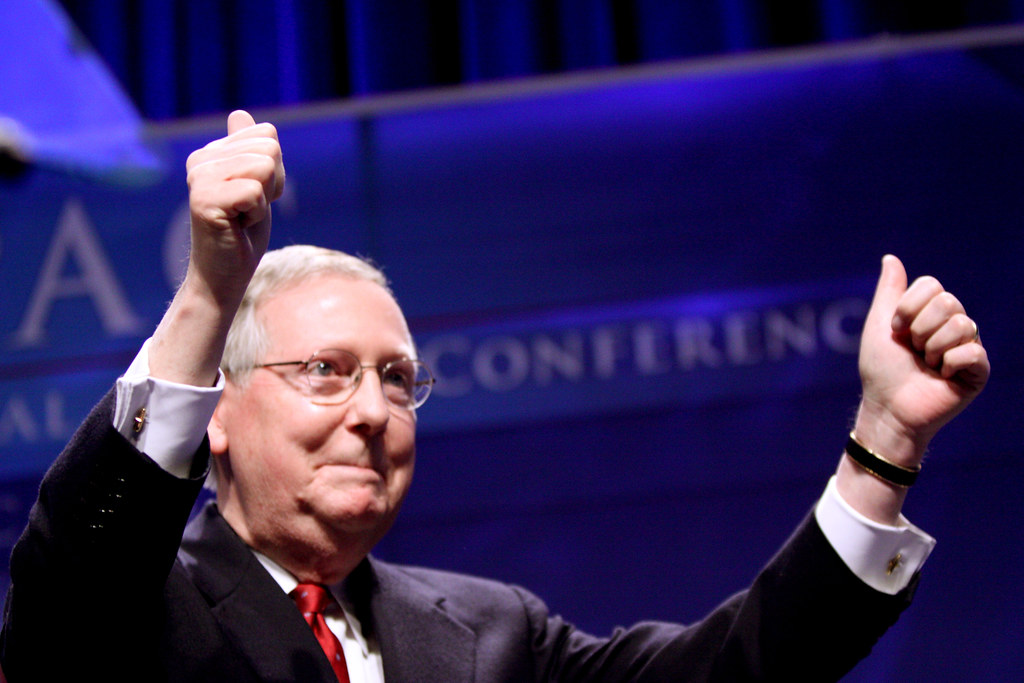
The fight is still hypothetical because McConnell has not resigned and his seat is not vacant. But the dispute shows how quickly questions about health, succession and Senate power can collide.
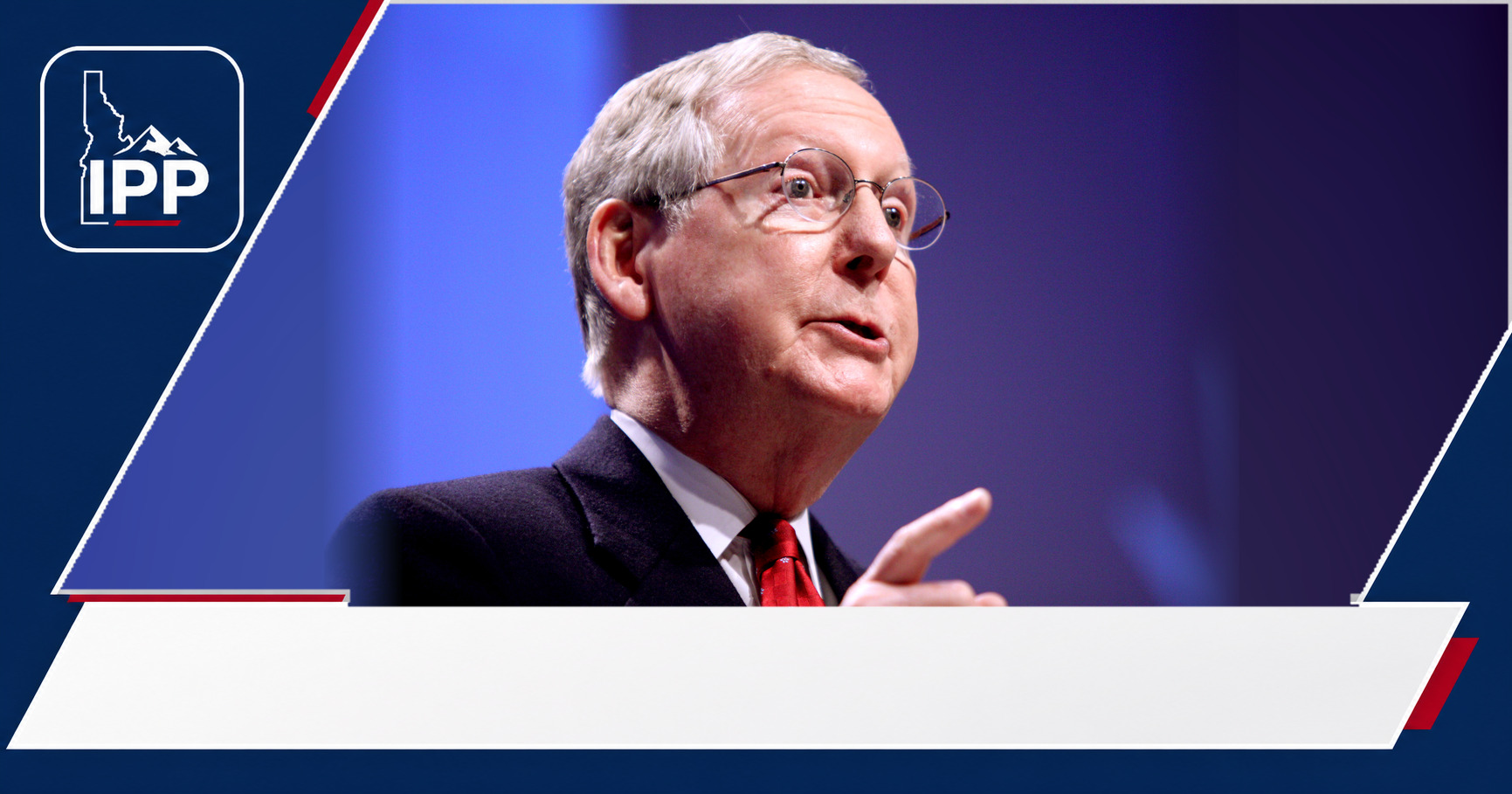
Sen. Mitch McConnell’s absence has triggered a political showdown in Kentucky: Kentucky officials are disputing how his Senate seat would be filled if it became vacant. The 84-year-old Republican senator has been absent from Congress since a June hospitalization, and by Aug. 3, 2026, Gov. Andy Beshear and Secretary of State Michael Adams were publicly clashing over Kentucky law.
By Aug. 4, 2026, the dispute had sharpened a larger question in the Senate — whether McConnell’s extended absence has raised questions about his health and political future, and whether Kentucky is prepared for a sudden vacancy involving one of the most powerful Republicans of the modern era.
Vacancy rules become the fight
The immediate fight is not over a resignation. McConnell has not stepped down, and his seat is not vacant. The dispute is over what would happen if that changed.

USA TODAY reported that the debate flared after Beshear pushed back on claims that a key election deadline could limit his options if McConnell’s seat opened later this year. Beshear said in a post on X that a date some observers had treated as meaningful under Kentucky’s Senate vacancy law had "no legal impact" in that scenario.
Adams, Kentucky’s Republican secretary of state, responded sharply. In a statement to The Courier Journal, part of the USA TODAY Network, he argued that Beshear has no authority to appoint someone to a U.S. Senate seat and that state law requires a special election.
That disagreement matters because a vacancy in the Senate is not just a local administrative matter. It can affect the balance of power in Washington, the timing of major votes and the leverage of both parties.
How Kentucky says seats are filled
Under the Kentucky law described by USA TODAY, a vacant U.S. Senate seat is filled through a special election called by the governor. The winner serves the remainder of the term. Until election results are certified, the seat would remain empty.
That structure is different from systems in many states where a governor can name a temporary replacement right away. In Kentucky’s current setup, the state could have only one sitting U.S. senator for a period of time if a vacancy occurred and no immediate appointment were available.
The timeline is the pressure point. The governor must issue a proclamation calling the special election. Legal experts cited by CNBC said the statute does not appear to set a firm deadline for when that proclamation must be issued. After that step, counties and candidates still have filing and election deadlines to meet.
That leaves room for argument over process, timing and authority — especially when the seat in question belongs to McConnell, whose career has shaped Kentucky politics and Senate Republican strategy for decades.
Beshear sees a constitutional question
Beshear, a Democrat, has suggested Kentucky’s 2024 special-election-only law could run into problems with the state constitution. He has pointed to Section 152, which addresses statewide vacancies and gubernatorial appointments.
His position, as reported by USA TODAY, is not simply that he wants more discretion. It is that the law governing a Senate vacancy may conflict with Kentucky’s broader constitutional rules for filling vacancies.
That argument could become significant if a vacancy actually occurred. A legal challenge could slow the replacement process, put courts in the middle of a political fight and leave Kentucky voters waiting for clarity.
For now, Beshear is pushing back against the idea that one date on the calendar locks him into a narrow set of choices. That is why a procedural question has become a political flashpoint.
Adams says appointment is off limits
Adams has taken the opposite view: the law is clear, and Beshear cannot appoint a U.S. senator. His statement accused the governor of feeding online conspiracy theories by discussing appointment power for an office that is not vacant.
That language shows how sensitive the issue has become. McConnell’s absence has already produced speculation about his condition and plans. Adams is arguing that state officials should not add fuel by entertaining replacement scenarios beyond what he says the statute allows.
There is also a partisan backdrop. Beshear is a Democratic governor in a state that has repeatedly elected Republicans to federal office. A governor’s ability, or inability, to influence a Senate replacement would be politically explosive.
Adams’ position seeks to keep the succession process in voters’ hands through a special election. Beshear’s position leaves open the possibility that the courts may need to settle how the constitution and vacancy statute fit together.
The absence behind the argument
The reason this hypothetical is getting attention is McConnell’s extended absence from Congress. USA TODAY reported that he has not appeared in the Senate since he was hospitalized in June after a fall and a pneumonia diagnosis.
According to GovTrack.US data cited in the report, McConnell last voted on June 11, 2026, and has missed 46 roll call votes since then. Those missed votes included the annual defense policy bill, legislation related to Iran and confirmation proceedings for several high-profile Trump administration nominees.
McConnell’s office has released limited information about his recovery. In a July 27 statement, McConnell said he remained in "intense physical therapy" and would miss Kentucky’s Fancy Farm picnic, one of the state’s biggest political gatherings.
That absence carries symbolic weight. McConnell is not a backbench senator. He is a former Senate Republican leader and one of the central figures in the modern conservative judicial and legislative project.
Why the standoff matters now
For voters, the question is practical: who represents Kentucky if one Senate seat is suddenly empty, and how quickly can the state restore full representation?
For Washington, the question is arithmetic. In a closely divided Senate, even one vacancy can change vote counts, delay nominations or alter bargaining power. McConnell’s missed votes are already a reminder that attendance can matter as much as party labels.
For Kentucky officials, the risk is uncertainty. If Beshear and Adams remain divided and a vacancy occurs, the state could face a fast-moving legal and political fight at the exact moment when voters would need a clear process.
The cleanest fact is also the most important caveat: McConnell has not resigned, and no vacancy exists. But his absence has turned Kentucky’s succession law from an obscure procedural question into a test of how the state would handle a sudden opening in the U.S. Senate.






Leave a Reply