

The strategy can lift guaranteed monthly income later, but it depends on health, taxes, market risk and how much cash a retiree can safely spend first.
A 64-year-old retiree is draining her $1.1 million 401(k) early. The point of the strategy is simple: delaying Social Security until age 70 can maximize a $5,181 monthly benefit, while 401(k) withdrawals bridge the income gap and preserve the chance for a larger Social Security check later.
For retirement savers, the story is not really about copying one retiree. It is about the tradeoff: spend more from investments now, or claim Social Security earlier and lock in a smaller monthly payment for life.
The math behind waiting
Social Security rewards delay after full retirement age. The Social Security Administration says retirement benefits increase by a set percentage for each month a person waits beyond full retirement age, and that increase stops at age 70.
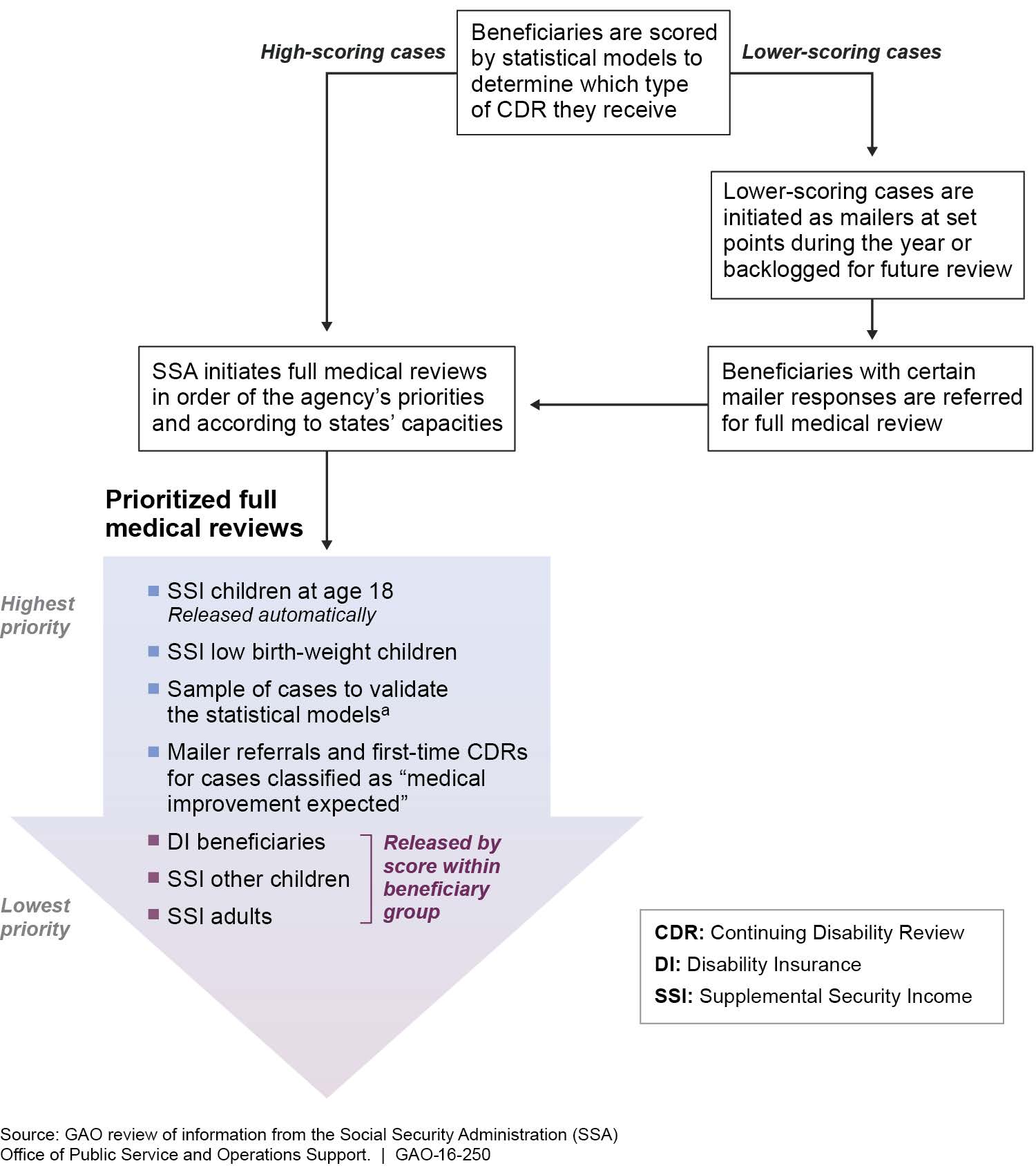
For people born in 1943 or later, the delayed retirement credit is 8% per year, according to the agency. That is why waiting from full retirement age to 70 can make a meaningful difference in the monthly check.
The $5,181 figure comes from the SSA’s 2026 maximum-benefit example. The agency says someone retiring at age 70 in 2026 could receive $5,181 a month if they earned the taxable maximum in every year beginning at age 22. The same SSA example lists $4,152 at full retirement age and $2,969 at age 62.
That distinction matters. The $5,181 check is a ceiling under a specific set of earnings assumptions, not a normal benefit for every retiree who waits.
Why tap the 401(k) first
The 401(k)-first idea is a bridge strategy. A retiree uses savings to pay bills in the years before Social Security starts, giving the government benefit time to grow.
That can be appealing because Social Security is not just another investment account. Once claimed, it pays for life, is adjusted for inflation through cost-of-living increases, and can become especially valuable if a retiree lives into their 80s or 90s.
A $1.1 million 401(k) gives this retiree room to consider that trade. Instead of claiming early to reduce withdrawals, she can draw from the portfolio and effectively buy a higher guaranteed income stream later.
The emotional hurdle is obvious: watching a seven-figure retirement account fall can feel wrong, even when it is part of a plan. But retirement accounts are meant to be spent. The real question is whether the spending rate is sustainable and coordinated with taxes, benefits and market risk.
The $5,181 number needs context
The biggest misconception is that anyone can wait until 70 and receive $5,181 a month. That is not how Social Security works.
The SSA says benefits depend on earnings history, claiming age and the year a person retires. To reach the maximum in the 2026 example, a worker must have earned at least the taxable maximum every year starting at 22. Many workers, including many high earners, do not meet that exact test.
Still, delaying can raise the benefit even for people nowhere near the maximum. A smaller monthly benefit can also grow by waiting, because the delayed retirement credit is based on the worker’s own benefit amount.
That makes the decision personal. A retiree with a projected $2,200 benefit at full retirement age is not deciding whether to get $5,181. She is deciding whether a higher version of her own benefit is worth the years of withdrawals needed to wait.
The risks are real
The case for delaying Social Security is strongest when a retiree has enough savings, good health, flexibility and a reasonable expectation of longevity. It is weaker when the retiree needs cash immediately, has a shorter life expectancy, or would be forced to sell investments during a downturn.
Market timing is one risk. If a retiree begins drawing heavily from a 401(k) just as stocks fall, the portfolio may have less time to recover. That sequence-of-returns risk can damage a retirement plan even when the long-term market eventually rebounds.
Taxes are another concern. Traditional 401(k) withdrawals are generally taxable as ordinary income. Pulling too much in a short period can affect a retiree’s tax bracket and may ripple into other parts of the financial plan.
There is also a household angle. Married retirees often need to think about survivor benefits, age differences and which spouse has the higher benefit. A delayed higher earner’s benefit can sometimes protect a surviving spouse, but the best answer depends on the couple.
Who the strategy fits
This approach can make sense for retirees who have substantial savings outside Social Security and want more guaranteed income later. It can also help people who worry about outliving their assets.
It is less suitable for retirees whose 401(k) is barely enough to cover basic expenses. Spending too aggressively before 70 can leave a person with a bigger Social Security check but too little emergency cushion.
A balanced version may be more realistic than an all-or-nothing plan. Some retirees claim between full retirement age and 70. Others use part-time work, cash reserves, taxable accounts or smaller retirement withdrawals to reduce pressure on the portfolio.
The smartest version starts with a cash-flow test: how much must come out each year, what happens if markets fall, and how the plan holds up if the retiree lives much longer than expected.
What savers should check first
Before treating this retiree’s $1.1 million 401(k) move as a model, savers should look up their own Social Security estimates. The SSA’s maximum-benefit table is useful context, but an individual benefit estimate is the number that matters.
Then comes the break-even question. Delaying means giving up checks in the early years in exchange for bigger checks later. The longer a person lives, the more attractive waiting can become. If health or family history points the other way, claiming earlier may be reasonable.
Retirees should also pressure-test the investment side. A bridge strategy needs a plan for withdrawals, cash reserves and bad markets. It should not depend on stocks rising every year.
The clean takeaway: draining a 401(k) early is not automatically reckless, and delaying Social Security is not automatically wise. The strategy works when the retiree is using savings deliberately to buy higher lifetime income later. Without that math, it is just spending down assets and hoping the future cooperates.









Leave a Reply