

The order affects an 11-day exercise involving 18,000 South Korean troops and arrives after North Korea resumed ballistic missile testing. It also revives a familiar dispute over whether military drills deter Pyongyang or complicate diplomacy.
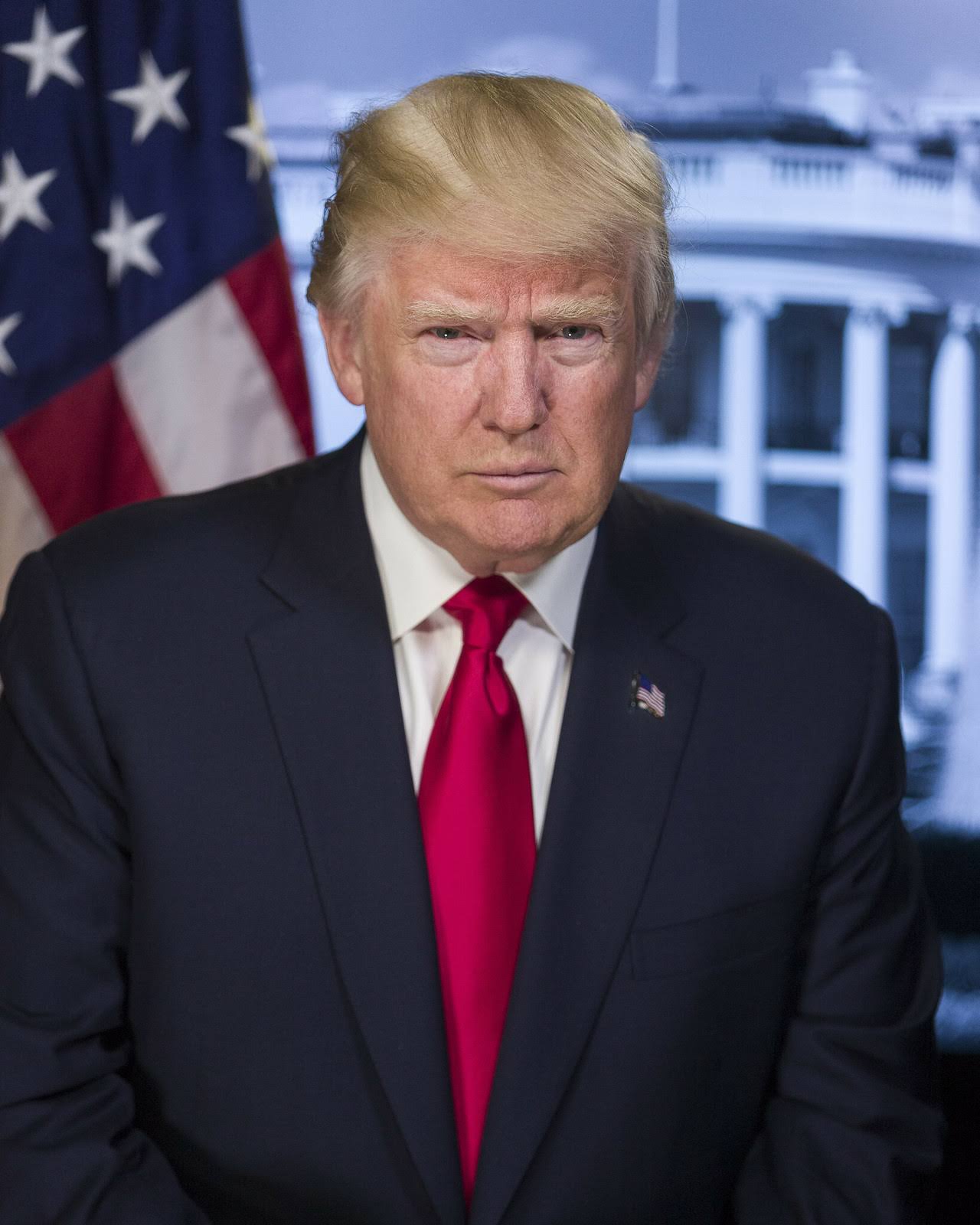
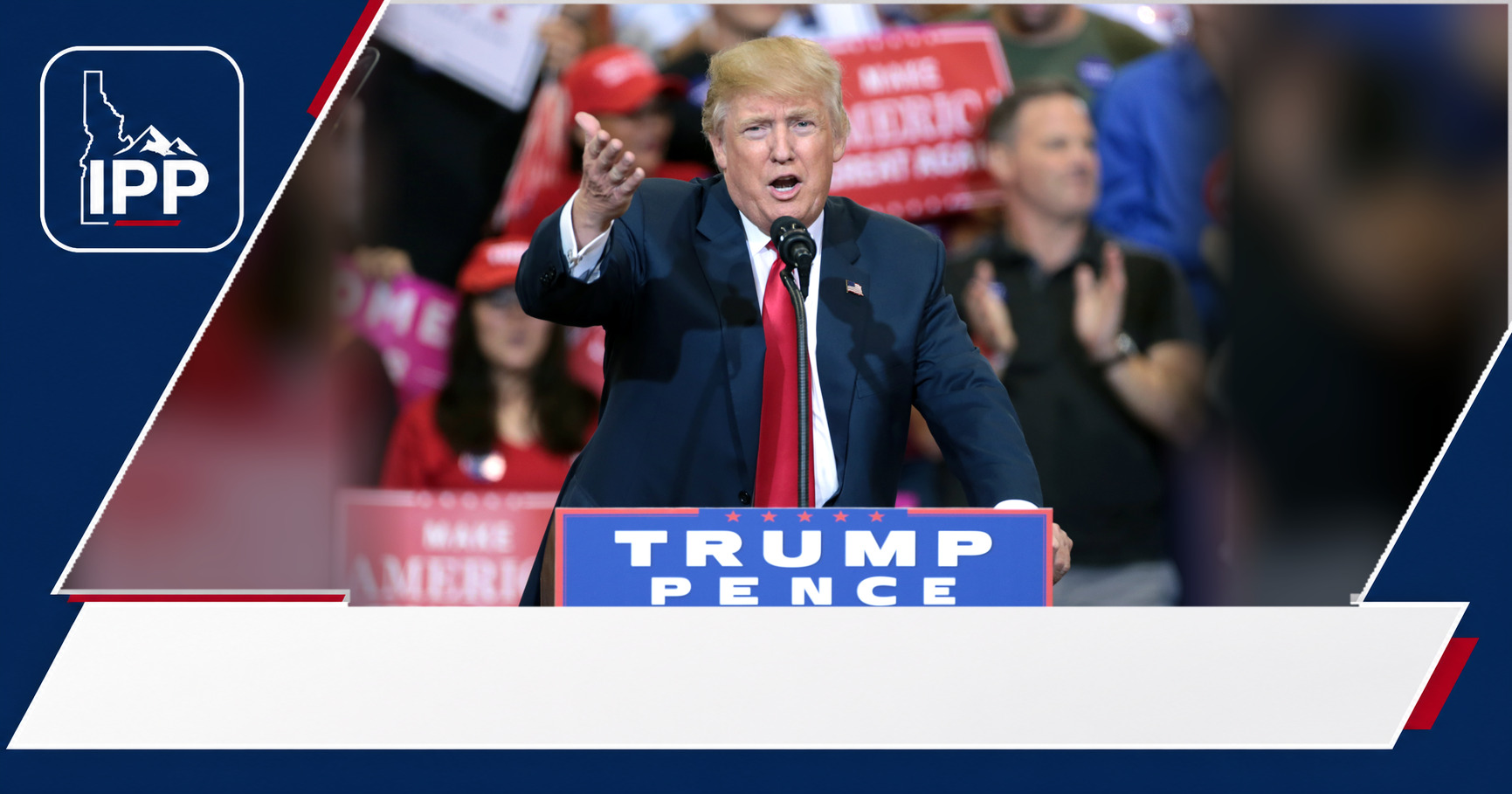
Donald Trump ordered the Pentagon to scale back joint military exercises with South Korea, directing a substantial reduction in planned U.S.-South Korea drills that were due to begin this week. The exercises involve U.S. forces and 18,000 South Korean soldiers, making the order consequential for an alliance built around preparing for a potential North Korean attack.
Trump said the drills were expensive and sent an inappropriately hostile signal to North Korea. His decision puts the immediate focus on what parts of the 11-day training event will be reduced—and whether a smaller exercise changes readiness, diplomacy or both.
Trump’s order reaches a major drill
In a social media post, Trump said he had instructed the Pentagon to “substantially reduce” the joint military exercises. He said it was too late to cancel them outright.
The planned training was designed to strengthen readiness against North Korean threats. U.S. and South Korean forces were expected to rehearse joint operations through demanding scenarios, including live-fire precision targeting and maneuver, a wet-gap crossing, and moving prepositioned equipment.
Those details matter because large alliance drills are not simply ceremonial displays. They test whether forces from two countries can communicate, move supplies, coordinate command decisions and operate together under pressure.
What “substantially reduce” means operationally remains unclear. Public reporting did not specify which events, personnel, locations or training objectives would be cut, nor whether the changes apply only to this exercise or signal a longer-term shift.
Cost and diplomacy drove Trump’s case
Trump framed the move around both cost and his view of relations with North Korea. He said the drills sent a hostile signal to Pyongyang, which he described as unthreatening and respectful during his time in the White House.
He also linked the decision to South Korea’s refusal to join U.S. efforts to denuclearize Iran. The connection brings an issue outside the Korean Peninsula into a decision affecting one of Washington’s most important Asian security partnerships.
Trump has long viewed major exercises skeptically. After his 2018 summit with North Korean leader Kim Jong Un in Singapore, he said the United States would stop “war games” to save money unless negotiations moved in an unfavorable direction.
That history makes the new order less of a sudden break than a return to a central feature of Trump’s foreign-policy approach: treating military exercises as leverage that can be reduced when he sees an opening for diplomacy.
Readiness is the alliance’s core argument
The U.S. military has described the summertime Ulchi Freedom Shield exercises as a way to reinforce the alliance’s role in regional peace and security and demonstrate the U.S. commitment to help defend South Korea.
That is the competing view behind the drills. For military planners, realistic practice is intended to make deterrence more credible: the clearer the allies’ ability to respond together, the less likely an adversary may be to miscalculate.
Supporters of scaling back exercises can argue that highly visible drills may raise tensions and narrow diplomatic space. Critics can argue that reducing training risks weakening coordination precisely when North Korea continues developing nuclear and missile capabilities.
Neither argument turns only on the number of troops involved. The practical question is whether the activities removed are largely symbolic, or whether they include the complex, repeated training that allied forces rely on to operate as one command.
Pyongyang has opposed the drills
North Korea has routinely condemned U.S.-South Korean exercises, portraying them as rehearsals for an invasion or aggressive war. Before the planned exercise, Pyongyang threatened unspecified stern steps in response to the training.
That rhetoric is familiar ahead of major drills. Analysts have said North Korea has often used exercises by the United States and South Korea as a pretext for weapons testing, military escalation and domestic messaging in support of Kim’s government.
But the current security backdrop is not quiet. North Korea recently resumed ballistic missile testing, activity that is prohibited under United Nations sanctions. Earlier in August, South Korea, the United States and Japan detected a North Korean short-range ballistic missile launch.
Trump’s premise—that a reduced exercise could lower hostility—will therefore be judged against events rather than rhetoric. A smaller drill does not by itself establish whether Pyongyang changes its military behavior, testing pace or willingness to talk.
Kim diplomacy remains part of the calculation
Trump met Kim three times during his first term, seeking an agreement on North Korea’s nuclear program. Their diplomacy ultimately stalled in 2019 without a denuclearization deal.
Since returning to office, Trump has expressed interest in resuming discussions. A day before announcing the exercise reduction, he posted a photo with Kim and said the two leaders got along well.
The order suggests Trump still sees his personal relationship with Kim as relevant to managing the nuclear standoff. That is a notable contrast with the conventional alliance emphasis on sustained military preparation while negotiations remain uncertain.
Kim, meanwhile, has pushed to expand North Korea’s nuclear and missile arsenal since the collapse of the earlier diplomacy. Experts have said a larger arsenal could give him greater leverage in any future negotiations with Washington.
The unanswered question is implementation
The immediate outcome is clear: the Pentagon has been directed to reduce, rather than cancel, the planned U.S.-South Korea exercise. The unresolved issue is how much of the original program will survive.
South Korea’s response, the Pentagon’s detailed implementation plan and any reaction from North Korea will help show whether the move becomes a short-term adjustment or a broader rethinking of alliance training.
For now, Trump has reopened a fundamental policy debate. The United States and South Korea must balance the diplomatic value of lowering military visibility against the readiness value of practicing for a crisis that both governments say they must be prepared to meet.






Leave a Reply