
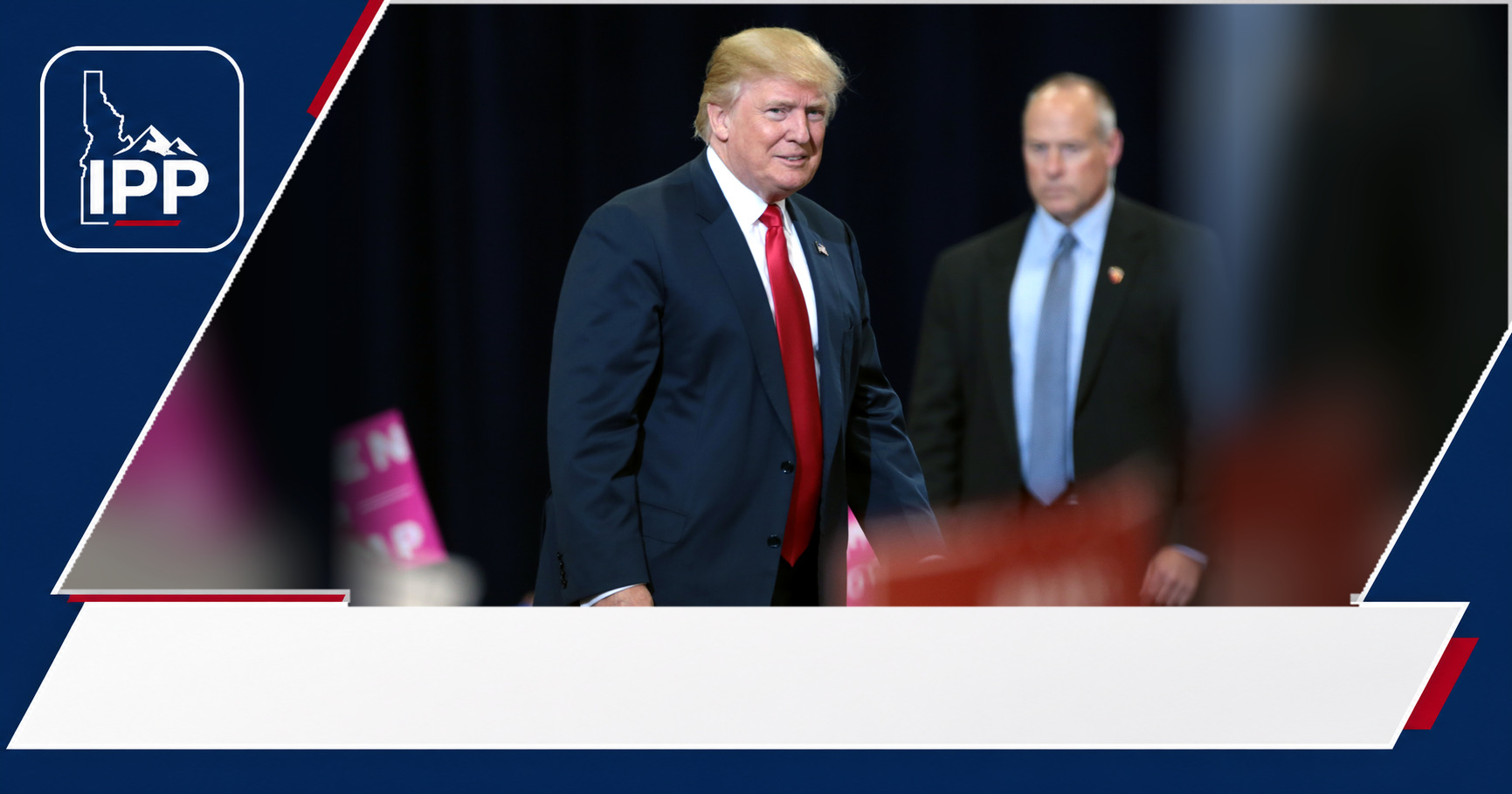
The dispute centers on a proposed route through the Strait of Hormuz, a vital oil-shipping corridor that Iran effectively closed after the war began. Trump’s remarks put fresh pressure on Oman, a Gulf country trying to help shape a transit plan with Iran.
Donald Trump said Iran would not make the deal he considers necessary and threatened to bomb Oman if it “gets in the way,” as Iran and Oman work on negotiations involving a shipping plan for the Strait of Hormuz. The remarks matter because reopening the waterway, which separates Iran and Oman, has been a key U.S. demand.
Iran says it is close to finalizing an arrangement with Oman for ships to pass through the strait. But Trump’s comments signal that Washington may not accept a deal reached on terms Tehran and Muscat set themselves.
Oman is at the center
The threat was directed at Oman, not simply at Iran. That distinction explains why the remarks have drawn attention: Oman is pursuing a practical arrangement with its neighbor while facing pressure from the United States over the conditions for restoring maritime traffic.
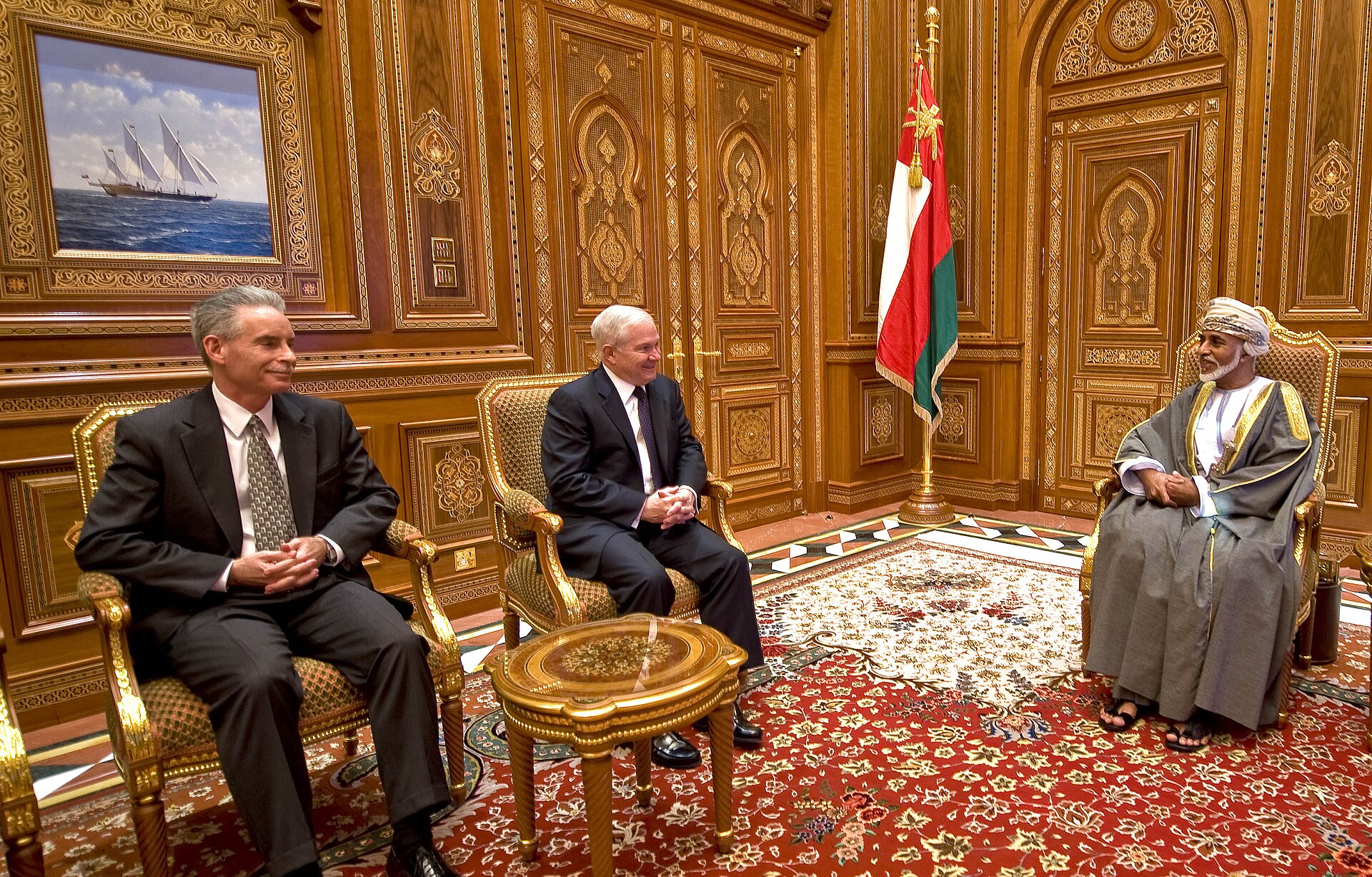
Iranian Foreign Ministry spokesperson Esmail Baghaei said an understanding had been reached on the transit route and that the two countries were working toward a joint statement. The details remain incomplete, including whether the proposal would meet U.S. expectations.
Previously reported outlines of the plan suggest ships would enter the Strait of Hormuz through a route nearer Iran and depart through a route nearer Oman. Vessels would not pay fees or tolls during an interim period, according to the Associated Press.
A chokepoint with global stakes
The Strait of Hormuz is a narrow waterway between Iran and Oman that links the Persian Gulf to the Gulf of Oman and the Arabian Sea. Before the conflict, roughly one-fifth of the world’s traded oil supplies moved through it.
Iran effectively closed the strait after Israel and the United States attacked the country on Feb. 28, according to the AP. The disruption has made the passage a central point of leverage in the broader conflict and in talks over ending it.
For the United States, reopening the strait is not a side issue. The AP reported that Washington has sought an acceptable reopening deal before ending its blockade of Iranian ports. That puts the U.S. in a position to judge not only whether ships can move, but also under what security and political terms they do so.
Trump’s warning and its limits
Trump made the latest threat in comments to Fox News reporter Trey Yingst, saying the United States would bomb Oman if it “gets in the way,” with an expletive used for emphasis. Fox did not release audio of the interview, the AP reported.
That missing audio leaves important context unclear, including precisely what actions by Oman Trump would regard as obstruction. The available account does not describe a specific U.S. military order, target list or timetable tied to the threat.
This was also not Trump’s first warning to Oman. In May, he said during a Cabinet meeting that Oman would “behave just like everybody else, or we will have to blow them up,” according to the AP.
The administration’s language creates a sharp contrast with Oman’s apparent role in the transit discussions. Oman may see itself as working to prevent a prolonged shutdown; Trump’s comments suggest he could view an Iran-Oman arrangement as inadequate if it falls short of U.S. conditions.
Peace talks remain far apart
The shipping negotiations are unfolding as a 60-day period for finding a peace agreement between the United States and Iran was expiring. The AP reported no announced extension and said the two sides appeared as far apart as they were at the start.
Trump reportedly dismissed the significance of the deadline and said there was no timeline. Yingst also said Trump described a back channel for talks with Iran’s Islamic Revolutionary Guard Corps, though no details on that channel were made public.
That combination of public threats and reported private contacts is a familiar feature of high-stakes diplomacy, but it does not resolve the underlying divide. A route for commercial shipping could reduce immediate economic pressure while leaving the larger questions of security, military action and a political settlement unanswered.
Diplomacy versus coercion
There are competing views of how to interpret the proposed transit plan. Supporters of a rapid arrangement could argue that restoring passage through the strait would reduce risks for civilian shipping, energy markets and surrounding countries even before a full peace agreement is reached.
Critics could counter that a narrow deal allowing Iran significant control over the route might reward the closure of an international waterway or fail to provide sufficient protection for vessels. The U.S. position, as described by the AP, is that a reopening agreement must be acceptable to Washington.
United Nations Secretary-General António Guterres has urged Iran and the United States to resume peace negotiations. Through a spokesperson, he said there is no military solution to the conflict and called on both sides to lower their rhetoric.
What to watch next
The next test is whether Iran and Oman issue the promised joint statement and spell out how ships would transit the strait. Any agreement will be measured against U.S. demands, Iran’s security interests and Oman’s ability to act without becoming a direct target of pressure.
It is also unclear whether Trump’s threat will alter Oman’s negotiating posture, accelerate a deal or make one harder to reach. What is clear is that the Strait of Hormuz has become more than a shipping route: it is now a bargaining chip in negotiations where military threats, economic pressure and diplomatic outreach are all moving at once.





Leave a Reply