
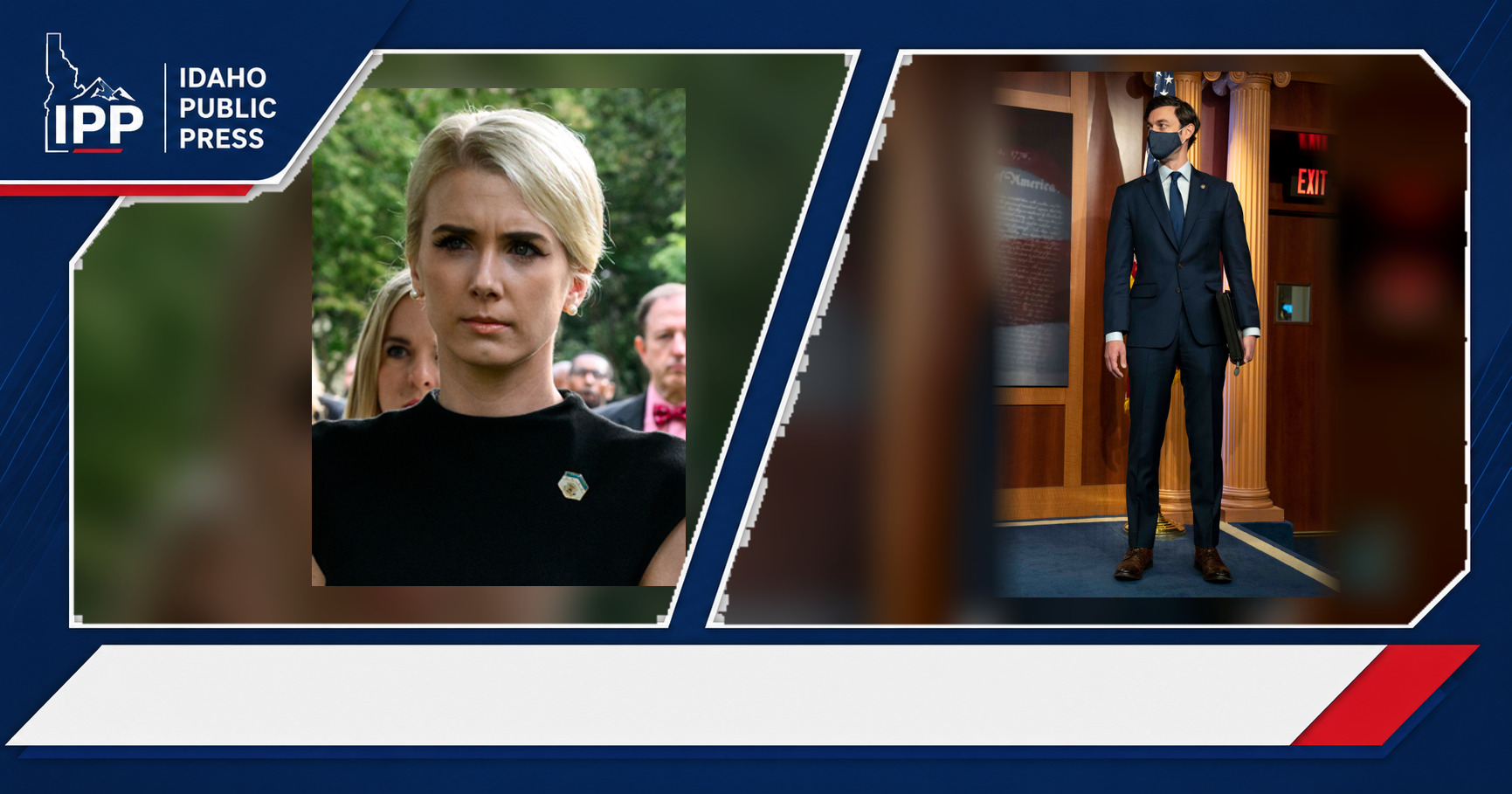
Ossoff’s focus on Natalie Harp is about more than one White House staffer. It shows how a close presidential aide can become part of a broader argument about access, influence and Donald Trump’s leadership.
Jon Ossoff is focusing attention on Natalie Harp, a Trump aide and the president’s executive assistant, as the Georgia Democrat seeks reelection in November. Ossoff’s decision to turn the spotlight on Harp matters because it moves his argument beyond Donald Trump’s public statements and toward the people who work most closely around him.
Reporting from CNN described Ossoff as taking a swing at Harp while examining her close relationship with Trump. The immediate dispute is political, but the larger question is why an executive assistant has become a useful symbol in a high-stakes Senate campaign.
Why Harp is now a target
Presidents have thousands of officials, advisers and staff members around them. Most never become familiar names outside Washington. Harp is different because her proximity to Trump has drawn attention to the people who help manage the president’s time, information and daily schedule.
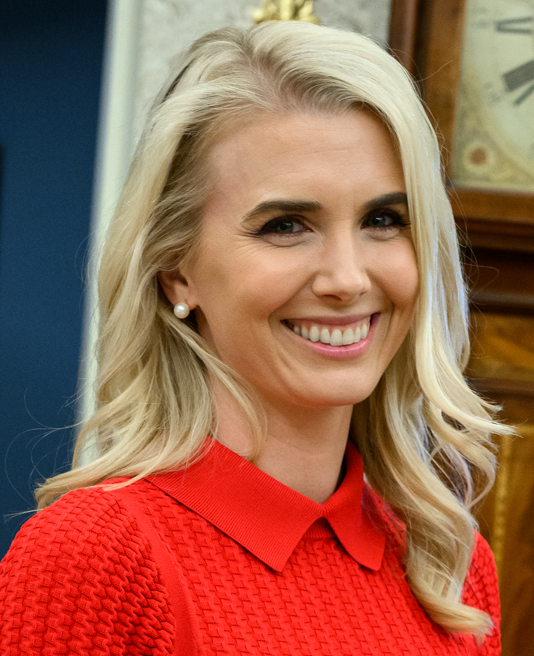
That proximity gives Ossoff an opening. By naming Harp rather than speaking only in broad terms about “the White House,” he can make an abstract critique of Trump’s operation feel more immediate and personal.
The available reporting does not establish that Harp, on her own, is responsible for policy decisions or presidential actions. An executive assistant’s job is not the same as that of a Cabinet official, policy director or Senate-confirmed appointee. But proximity to a president can carry political meaning even when formal authority is limited.
A message aimed at Trump
Ossoff’s focus is best understood as a route to a larger argument about Trump. Calling attention to a close aide allows the senator to question the president’s inner circle, the flow of information around him and the culture of the administration without relying solely on attacks aimed directly at Trump.
That kind of message has a practical campaign advantage. A candidate can point to a recognizable individual and argue that the person represents something bigger: a closed circle, unusually personal access or a White House run by loyalists.
Supporters of Trump may see the criticism very differently. They can argue that a president is entitled to choose trusted staff and that attacks on an executive assistant are a distraction from the issues voters care about, including the economy, public safety, health care and foreign policy.
Both interpretations are part of the political calculation. Ossoff wants voters to view Harp’s closeness to Trump as relevant. Trump’s allies are likely to argue that the scrutiny is manufactured because Ossoff needs a campaign contrast.
The value of a personal contrast
Senate races often become nationalized, especially when the candidate is running against the party that controls the White House. Ossoff is a Democratic senator in Georgia, and his November reelection contest gives every attack on Trump’s administration an added strategic purpose.
A personal target can cut through the noise of a national political debate. Voters may not follow the details of White House staffing, but they understand the basic question of who has the president’s ear.
Still, the strategy has limits. For the attack to resonate beyond political media, Ossoff will need to tie Harp’s role to a clear concern that voters can evaluate. Simply establishing that she works closely with Trump may generate attention, but it does not by itself prove wrongdoing, improper influence or a policy failure.
What the reporting does establish
CNN identified Harp as Trump’s executive assistant and described her relationship with the president as having evolved over time. Its coverage also said Ossoff, who is up for reelection in November, had aimed criticism at her.
Those facts explain why Harp has entered the campaign conversation: she is not being discussed as a detached political commentator, but as a White House aide with direct professional proximity to Trump.
They do not answer every question raised by the political exchange. The material available here does not detail a specific policy decision made by Harp, identify a formal allegation against her, or show that she has been accused of violating any law or rule.
That distinction matters. Political campaigns routinely highlight aides, advisers and associates to challenge an administration’s judgment. Readers should separate the campaign’s rhetorical case from independently established findings about a staff member’s conduct.
Georgia’s race raises the stakes
Ossoff’s use of Harp’s name reflects the pressure of an election-year message: he must give voters a reason to view his contest as connected to the direction of the country while also making a case about his own role representing Georgia.
Trump remains the central figure in that argument. Harp’s relevance comes from her association with the president, not from an independent public profile comparable to an elected official’s.
The next test will be whether Ossoff develops this line of criticism with specific evidence and policy consequences, or whether it remains a sharp campaign moment. Trump and his team, meanwhile, may decide whether to answer the criticism directly, defend Harp’s role or shift attention back to Ossoff’s own record.
For now, the episode is a reminder that modern presidential politics does not stop at the Oval Office door. The staff members closest to a president can become visible stand-ins for larger fights over access, loyalty and who shapes the decisions voters ultimately judge.







Leave a Reply