
The White House is casting the clemency move as common sense for car owners and repair shops. The cases behind it are more complicated, involving alleged emissions tampering and a wider fight over who gets to fix modern vehicles.
President Donald Trump has turned a set of emissions-control prosecutions into a new front in the right-to-repair fight.
His message was simple and politically potent: mechanics, in his view, were punished for fixing vehicles. Federal prosecutors had described some of the underlying conduct very differently, alleging that shops and fleets were disabling systems meant to limit pollution.
Pardons with a repair slogan
Trump announced Friday that he was granting clemency to a group of people he said had been unfairly targeted under the Biden administration. In a Truth Social post quoted by multiple reports, he attacked what he called the prior administration’s “Weaponization and Stupidity” and wrote, “I AM SETTING THEM ALL FREE, RIGHT NOW!”
According to a report circulated by Fox News Digital and summarized by Foreign Policy Journal, those granted clemency include Joshua Davis, Matt Geouge, Jonathan Achtemeier, Tim Clancy, Ryan and Wade Lalone, Barry Pierce, Aaron Rudolf and Mackenzie Spurlock.
A White House official told Fox News Digital that the pardoned individuals had been charged after circumventing emissions-control regulations that the official said are no longer in effect.
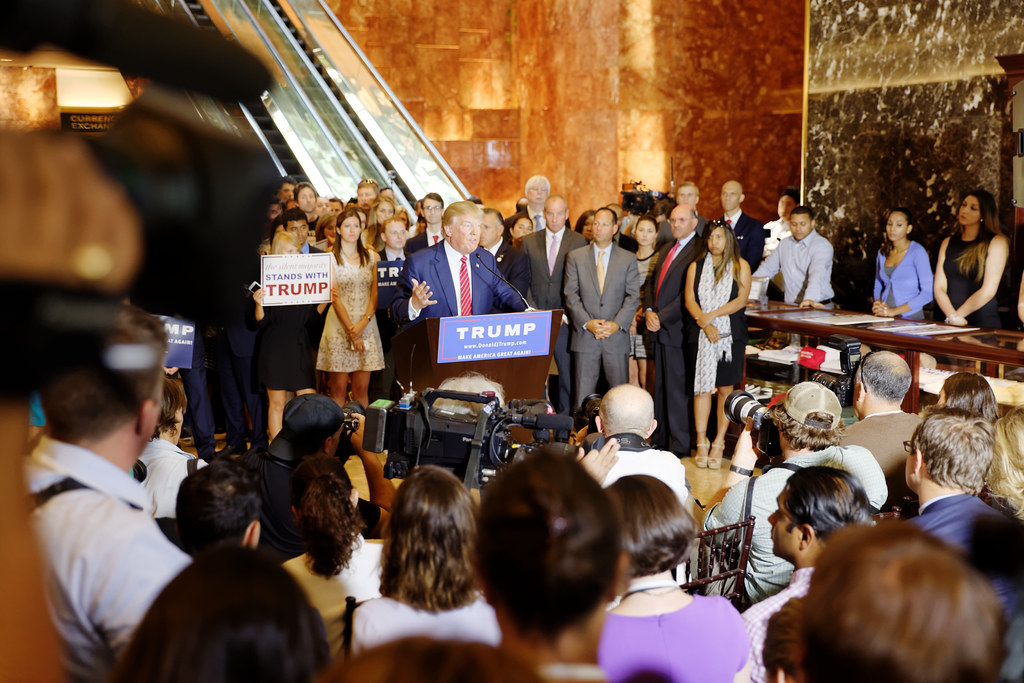
Trump also defended the move during an Oval Office news conference, saying, “It came to my attention because I noticed they were arresting people for fixing their car. We rule by common sense.”
The emissions issue underneath
The phrase “fixing their car” is doing a lot of work here.
Right-to-repair advocates argue that car owners and independent mechanics should not be locked out of tools, software, parts or diagnostic systems needed to maintain modern vehicles. That concern has grown as cars have become rolling computers, with manufacturers controlling more data and software access.
But the cases referenced in the reporting were not simply about replacing a battery, swapping a part or clearing a dashboard warning light. They involved allegations of circumventing emissions controls, including computerized systems that monitor pollution equipment.
That distinction matters because federal emissions rules do not just govern how a vehicle runs. They are intended to limit pollutants that affect air quality, especially from heavy-duty diesel trucks and commercial fleets.
One case shows the stakes
The pardons follow a related, high-profile case involving Elite Diesel Service Inc. and owner Troy Lake Sr., who received a full and unconditional pardon in November 2025, according to the extracted research.
Federal plea agreements said Elite Diesel instructed employees to disable computerized onboard diagnostic systems on at least 344 heavy-duty commercial trucks between January 2017 and December 2020.
Lake was sentenced in December 2024 to more than a year in federal prison, a $2,500 personal fine, and his company was placed on five years of probation. The company was also ordered to pay $37,500 in fines and contribute $12,500 to a Colorado program aimed at repairing emissions systems for low-income drivers.
Government prosecutors alleged that other garages and fleets hired the company to manipulate onboard computers so emissions-system malfunctions would not be detected. EPA Criminal Investigation Division Special Agent Lance Ehrig described the alleged conduct as a “large-scale conspiracy” that “diminished air quality” across multiple regions.
Right-to-repair meets pollution law
The political appeal of Trump’s position is easy to see. Many drivers are frustrated by expensive repairs, dealer-only software access and vehicles that can feel harder to maintain outside official channels.
Earlier in the week, Trump signed a presidential memo intended to make vehicle self-repair easier and expand options for aftermarket parts approval, according to the extracted reporting. That placed the pardons inside a broader push to align the administration with independent repair shops, car owners and aftermarket businesses.
But environmental enforcement has its own logic. The Clean Air Act has long prohibited tampering with emissions systems, and regulators have treated “delete” work on diesel trucks as a serious problem because it can increase nitrogen oxides and other pollutants.
In the Elite Diesel matter, prosecutors cited a study claiming the affected trucks collectively released more than 1,300 tons of excess nitrogen oxides and other pollutants. Biden administration officials defended the prosecutions at the time as necessary to protect public health and federal emissions standards.
Why the framing matters
The fight now is partly over language.
If the cases are understood as mechanics being punished for routine repair, Trump’s pardons look like a populist correction. If they are understood as clemency for people accused of bypassing pollution controls, critics will see the move as weakening environmental enforcement.
Both sides are likely to lean hard into the version that helps them most. The White House can point to repair freedom, small businesses and common sense. Environmental advocates can point to public health, diesel pollution and the risk that “right to repair” becomes a shield for emissions tampering.
The harder policy question sits in the middle: how to give owners and independent mechanics real access to fix vehicles without opening the door to disabling systems that exist to protect the air.
What remains unresolved
The pardons wipe away punishment for the named individuals, but they do not settle the broader rules of the road.
Automakers, independent shops, aftermarket suppliers, environmental regulators and state officials are still fighting over access to vehicle data, software locks and parts approval. Those battles will shape what “repair” means in practice.
The clemency move also raises a question for future enforcement: will federal prosecutors still pursue emissions-tampering cases aggressively if the White House presents some of them as examples of overreach?
For drivers, the takeaway is more practical than partisan. The right-to-repair debate is no longer just about saving money at the garage. It is increasingly about software control, environmental law and how much freedom owners should have to modify the machines they buy.


Leave a Reply