
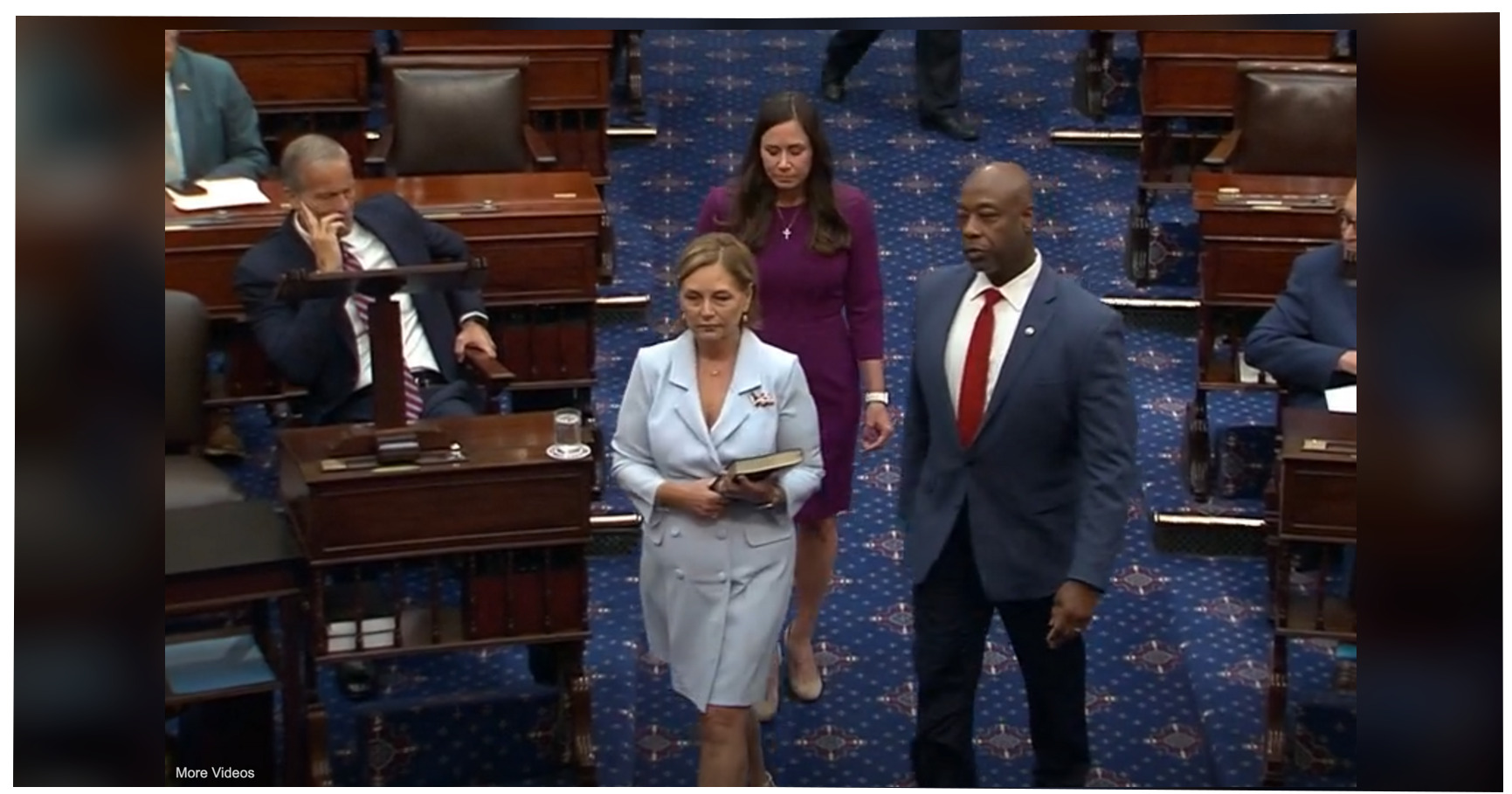
A debate answer about Taiwan has turned into a test of whether voters want experience, political continuity or a candidate focused on kitchen-table concerns. The exchange also exposed a clear divide in the Republican contest to fill Lindsey Graham’s former Senate seat.
South Carolina Republicans are divided over Darline Graham’s debate performance after the interim U.S. senator said she was “not that informed on national security” when asked whether Taiwan and the South China Sea are U.S. security interests. Graham’s debate performance drew criticism and raised eyebrows ahead of her Aug. 25 Republican Senate runoff against Rep. Ralph Norman, turning one exchange in Newberry, South Carolina, into a defining argument about readiness for the job.
The answer was especially striking because Graham is seeking to retain the seat held by her late brother, Lindsey Graham, whose long Senate career was closely tied to foreign policy and national security. Graham’s defenders see candor and a focus on voters’ financial concerns; her critics see an alarming gap for a candidate already serving in the Senate.
The Taiwan question changed the night
At the Aug. 18 debate, Graham was asked whether Taiwan and the South China Sea are national-security issues for the United States, and why. The question touched on a longstanding point of concern for Democratic and Republican administrations alike, given China’s claims in the region and the strategic importance of Taiwan.

Rather than directly laying out a policy position, Graham pointed to her family’s military connections and said she would support the armed forces. She then acknowledged that national security was not her expertise.
“National security is not my thing,” Graham said, according to the Associated Press. “I’m not that informed on national security.”
That kind of admission is unusual in a Senate race, particularly for an incumbent appointee. Senators vote on military funding, sanctions, treaties, intelligence matters and presidential national-security nominees. A candidate does not need to be a career foreign-policy specialist, but voters can reasonably expect a baseline command of the subjects that routinely come before the chamber.
Why Lindsey Graham’s legacy looms
The political damage was magnified by the identity of the senator Graham is trying to succeed. Lindsey Graham spent decades in Washington and developed one of the Senate’s most recognizable foreign-policy profiles, often taking overseas trips and speaking forcefully on military affairs, alliances and threats from adversarial governments.
He made multiple visits to Taiwan, including a 2022 delegation that met with then-President Tsai Ing-wen and Taiwan’s defense minister, AP reported. For a successor carrying the Graham name, uncertainty over Taiwan was bound to invite comparisons.
Darline Graham has not presented herself as a carbon copy of her brother. She has said she wants to lead differently and has emphasized that she is not a polished politician. That distinction may appeal to voters weary of Washington’s professional political class.
But it also creates the central tension in her campaign: an outsider appeal can be an asset until the job demands expertise that voters associate with experience. Her debate response put that tension on display in a way advertisements and endorsements may not easily erase.
Norman sees an opening
Norman, Graham’s opponent in the GOP runoff, moved quickly to frame the exchange as a qualification issue rather than a simple verbal misstep. He argued that a six-year Senate term is not a position where a candidate can learn the subject matter after taking office.
His critique is aimed at a straightforward Republican primary concern: whether voters should choose a familiar political name backed by powerful allies or a congressman who argues he has already been tested in federal office.
Norman’s argument does not depend on persuading every voter that Taiwan should be their top issue. It asks voters to consider whether a candidate’s preparation for a high-stakes foreign-policy question says something broader about her readiness.
That is a potentially effective line of attack because Graham was not merely asked for a detailed view on an obscure diplomatic dispute. The question concerned China, Taiwan and regional security—subjects likely to confront any U.S. senator.
Graham argues voters have other priorities
Graham did not retreat from the basic thrust of her answer after the debate. Speaking to reporters, she said South Carolinians were more concerned about their pocketbooks than the South China Sea and said those everyday economic concerns would be her main focus.
She also argued that she had discussed China as a broader national threat during the debate. That response offers a different theory of the race: voters may value a candidate who speaks plainly about limits in one policy area while concentrating on inflation, household costs and other immediate concerns.
Her position is not that national security is unimportant. Rather, Graham is drawing a contrast between the issues that dominate Washington debate and those she says dominate conversations with constituents.
The vulnerability is that the two are not neatly separable. Trade, supply chains, military spending, technology restrictions and tensions with China can affect consumer prices and local businesses. Critics can argue that a senator needs to understand how foreign policy and economic security increasingly overlap.
The notes added to the scrutiny
The debate also produced a second point of contention. Candidates were not permitted to bring notes, but AP reported that Graham spent several minutes before the broadcast writing extensively on a legal pad, then referred to pages draped over her lectern. Norman also wrote notes beforehand, though AP said he did so less extensively.
Writing notes before a debate is not itself evidence of wrongdoing, and the debate rules allowed candidates to be at their lecterns before the program. Still, the visual became part of the scrutiny because Graham was seen consulting the pad while struggling with the national-security question.
For supporters, preparation is normal and preferable to improvisation. For detractors, the scene reinforced the impression that she was not ready for a question central to the office she seeks.
The dispute shows how quickly campaign impressions form. A few minutes of an answer, a phrase that sounds unprepared and a visual detail such as a legal pad can become shorthand for a much larger argument about a candidate.
Trump’s endorsement still shapes the contest
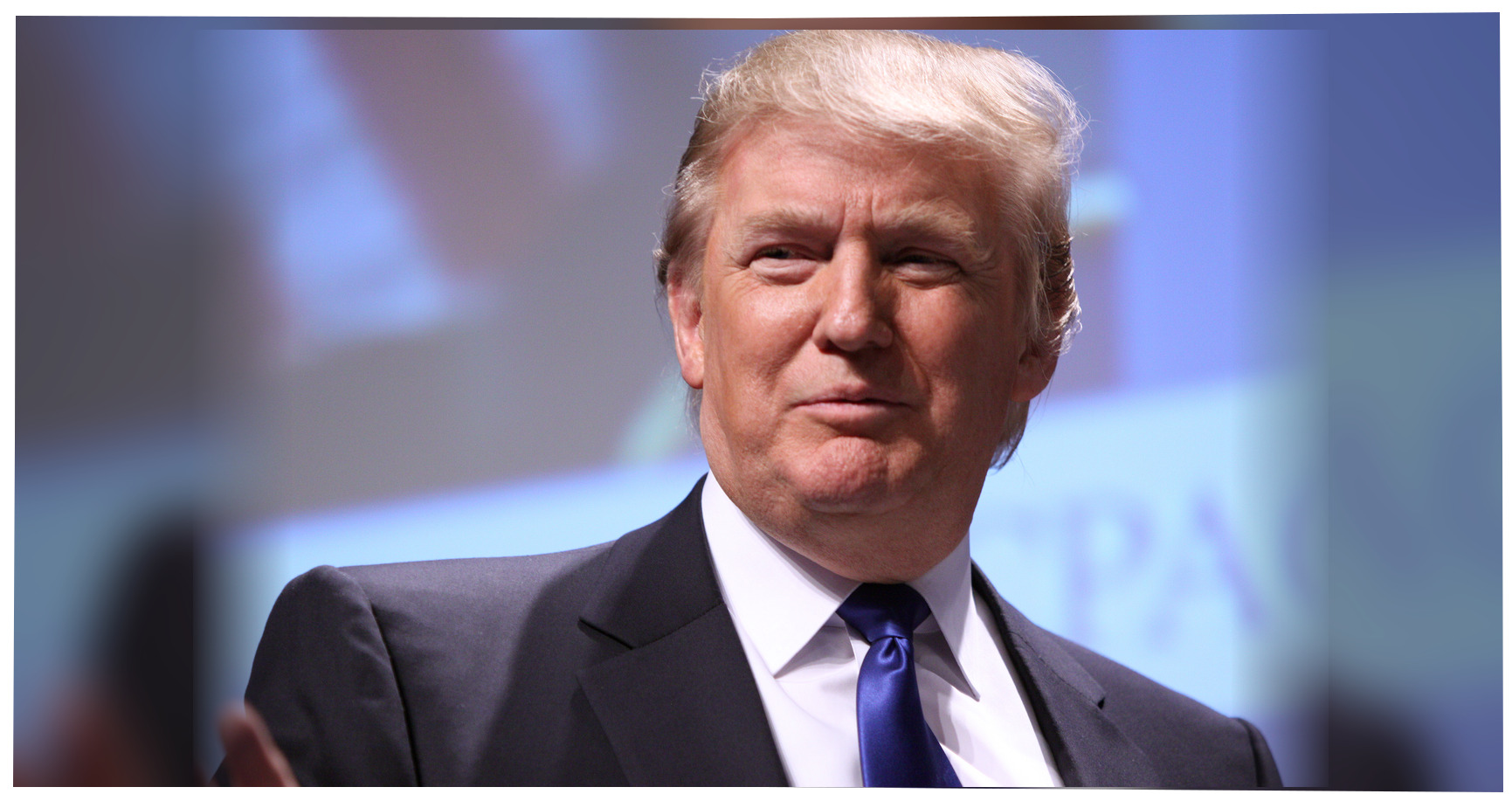
Graham enters the runoff with a major advantage: President Donald Trump’s endorsement. Trump was scheduled to campaign for her in South Carolina on Friday, giving her a powerful validator with Republican voters even as Norman presses the readiness attack.
That support could limit the effect of the debate moment if Republican voters decide the race is principally about loyalty, shared priorities and trust in Trump’s judgment. Graham also has the benefit of serving as interim senator and working alongside longtime Capitol Hill staff from her brother’s office.
Still, endorsements do not answer every question raised in a debate. The remaining days of the runoff will show whether Graham can move beyond the Taiwan exchange with a clearer account of her national-security views—and whether Norman can turn criticism into enough votes to overcome her political backing.
The immediate fact is not that South Carolina Republicans agree on what Graham’s answer meant. They plainly do not. The more consequential question is whether voters treat her candor as a refreshing break from scripted politics or as proof that the office requires deeper preparation before Election Day.




Leave a Reply