
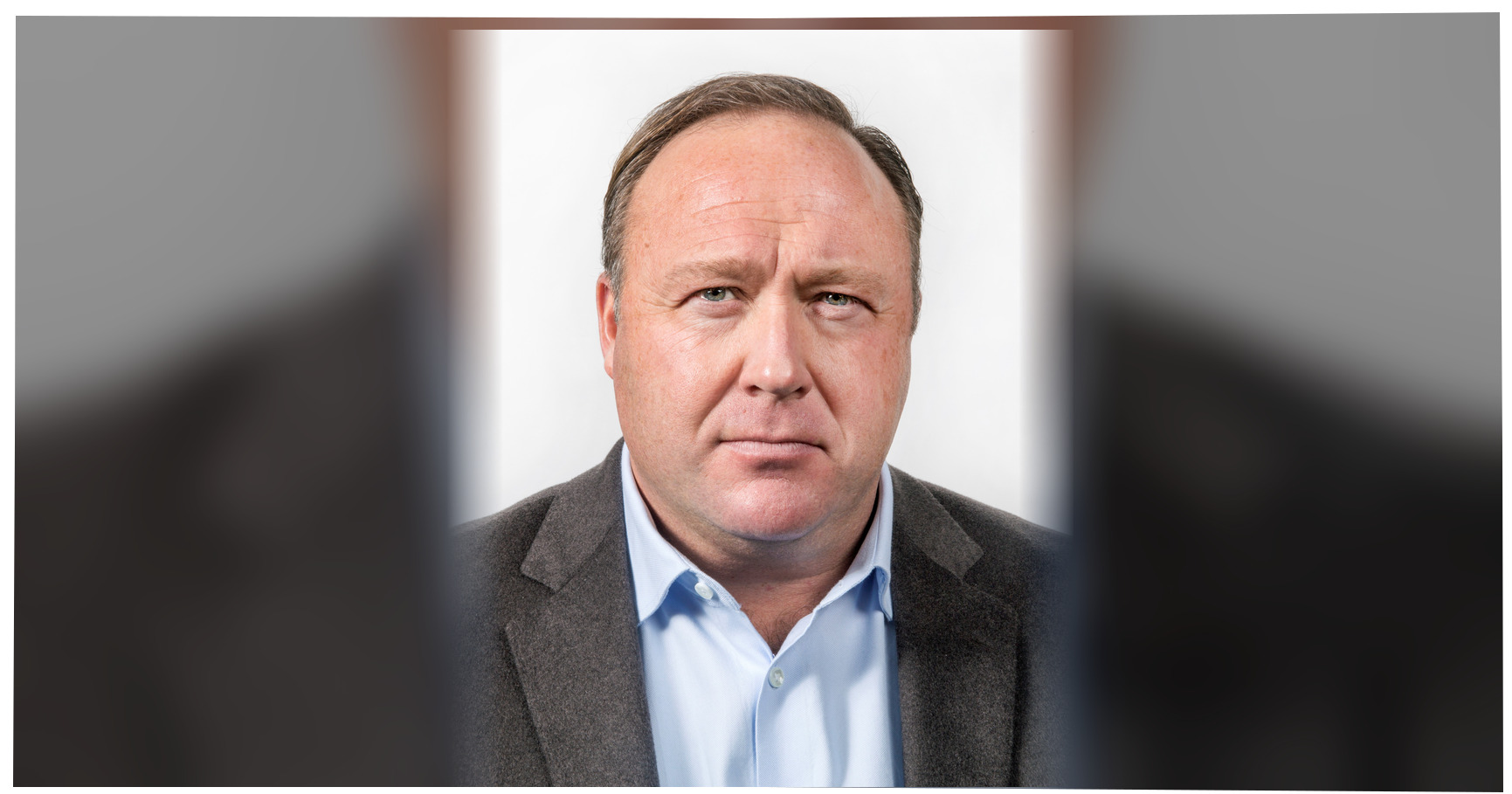
The ruling is a significant win for Jones in one case, but it does not erase the far larger financial judgments tied to his false claims about the Sandy Hook massacre. The decision also spotlights Texas limits on certain damages awards.
A Texas court reduced a $50 million judgment against Alex Jones to $1.5 million over his false claims that the 2012 Newtown killings were a hoax. The Texas Third Court of Appeals ruling involving the Infowars founder concerns the Sandy Hook Elementary School shooting in Newtown, Connecticut, where 20 children and six educators were killed.
The sharp reduction is a legal victory for Jones, but it does not affect the separate $1.25 billion judgment entered against him in Connecticut. The decision turns on Texas limits for damages, not a finding that Jones’ statements about Sandy Hook were protected or true.
A Texas damages cap drove the result
The unanimous appeals-court opinion focused on the claims brought by Sandy Hook parents Neil Heslin and Scarlett Lewis, whose 6-year-old son, Jesse Lewis, was killed in the attack.
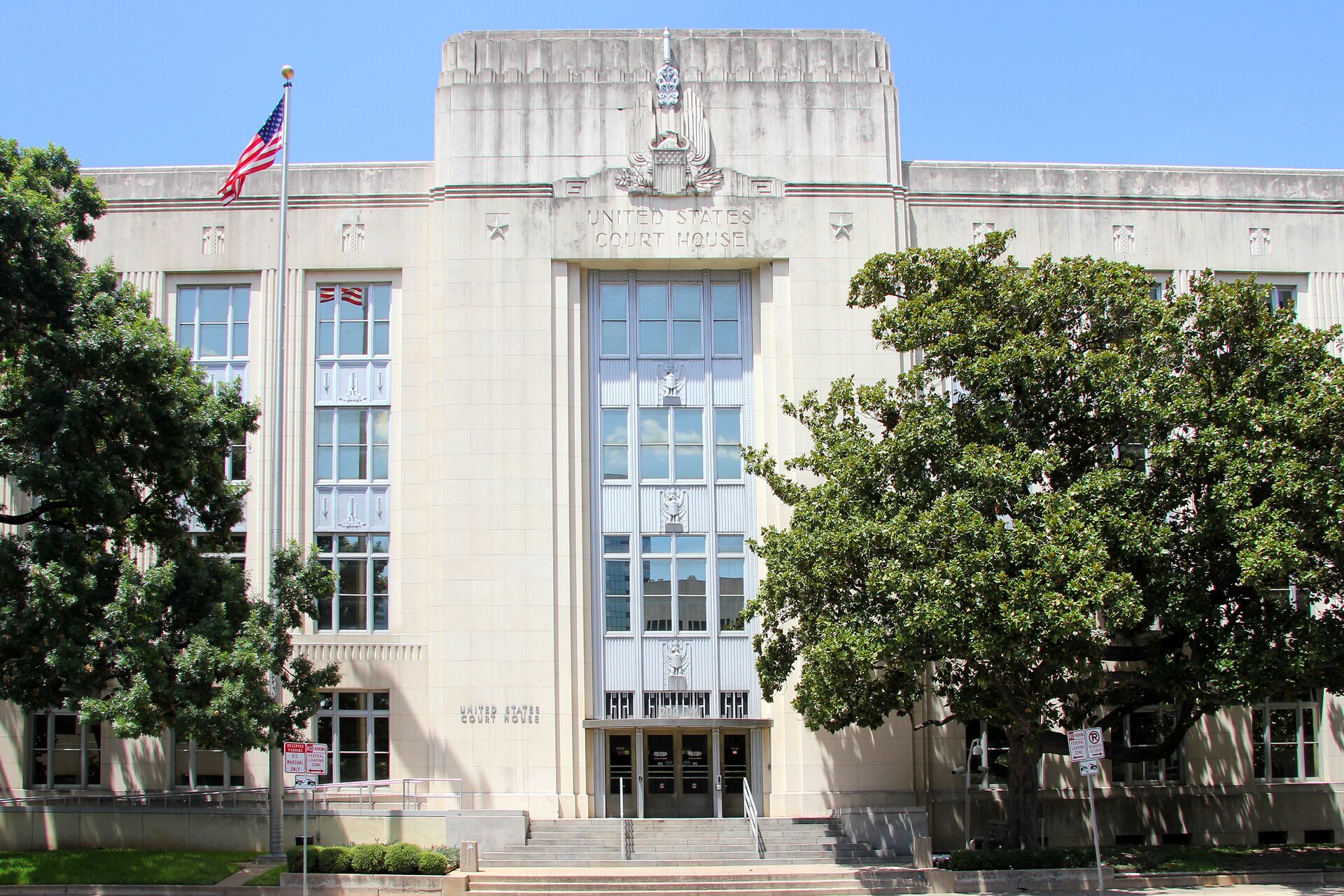
The court found the parents had not presented evidence showing that harassment linked to Jones’ hoax claims met the legal standard needed to exceed Texas’ cap on damages. Under that limit, their awards were reduced to $750,000 for each plaintiff, totaling $1.5 million.
That distinction matters. The ruling did not undo the underlying finding that Jones and his company, Free Speech Systems, were liable for damages after spreading claims that the massacre did not happen.
In other words, the appellate court addressed how much could be awarded under Texas law in this part of the litigation. It did not revisit the reality of the shooting or erase the jury’s conclusion that the parents were harmed.
The case began with false hoax claims
Jones used his Infowars platform to promote the false claim that the Sandy Hook shooting had been staged by the government as a pretext for stricter gun laws. Those statements helped fuel years of harassment and abuse directed at victims’ relatives, according to the families’ lawsuits.
At his Texas trial, Jones acknowledged that the attack was “100% real” and that he had been wrong to make the claims. The 2022 verdict was the first time he was held financially liable for statements about the massacre.
Heslin and Lewis told jurors that a simple apology could not account for the suffering they said they endured after their son’s death. Their case became one of the most visible legal efforts by Sandy Hook families to hold Jones financially responsible.
The Texas ruling may alter the dollar figure attached to their two claims, but it leaves that larger history intact: Jones’ falsehoods led to civil liability, and a court has now recalculated part of the damages under state law.
Why Jones calls it a victory
Jones framed the decision as a major First Amendment win on his streaming show and said he plans to ask the Texas Supreme Court to throw out the remaining damages.
His position has long been that the litigation imperils free-speech protections. But the legal issue decided by the appeals court was narrower than that public argument: whether evidence in this case cleared the threshold needed to surpass Texas’ damages cap.
For Jones, cutting an award from $50 million to $1.5 million is plainly consequential. It reduces his exposure in a case that has been part of years of litigation, appeals and bankruptcy proceedings.
Still, the outcome is not a clean exit from the Sandy Hook cases. He continues to face extensive claims and financial judgments, while disputes over what assets can be used to pay creditors remain unresolved.
The Connecticut judgment still stands
The biggest immediate limit on the Texas decision is what it does not cover. A separate Connecticut jury awarded nearly $1 billion in compensatory damages to other Sandy Hook families, followed by an additional $473 million in punitive damages, for a total judgment of about $1.25 billion.
That Connecticut judgment is not changed by the Texas Third Court of Appeals ruling. Mark Bankston, an attorney for Heslin and Lewis, described the Texas outcome as immaterial in light of Jones’ broader liabilities and argued that it highlights Texas’ damages law.
Jones has not made payments on the major judgments while he challenges them and navigates bankruptcy proceedings involving himself and Free Speech Systems. The practical value of any court award depends not only on the final number but also on what assets are ultimately available and how the bankruptcy cases are resolved.
That leaves two competing descriptions of the latest ruling. Jones can accurately point to a dramatic reduction in one judgment. The families can accurately note that his overall potential liability remains extraordinarily large.
Infowars has changed hands and form
The financial fight has unfolded alongside major changes to Jones’ media operation. Jones gave up the Infowars brand in April and moved his shows to new websites and his personal X account, according to reporting on the case.
The Onion has sought to take over Infowars-related platforms and repurpose them as parody outlets. It now runs an Infowars page featuring satirical videos that parody Jones’ broadcasts.
Those changes do not settle the legal disputes. They illustrate how the Sandy Hook cases have extended beyond a courtroom verdict into questions about the value, control and future of the media business that amplified Jones’ false claims.
What remains to be decided
Jones’ promised appeal to the Texas Supreme Court means the $1.5 million figure may not be the final word in the Texas case. The bankruptcy process and continued litigation over the Connecticut judgment also remain active pressure points.
For the families, the latest ruling is a setback on one damages award but not a reversal of the courts’ central findings. For Jones, it is a tangible appellate win that narrows one part of a much larger legal and financial reckoning.
The clearest takeaway is that the Texas court cut a specific $50 million award because of the state’s damages rules. It did not erase the legal consequences of Jones’ Sandy Hook falsehoods, and it did not touch the separate $1.25 billion Connecticut judgment.



Leave a Reply