
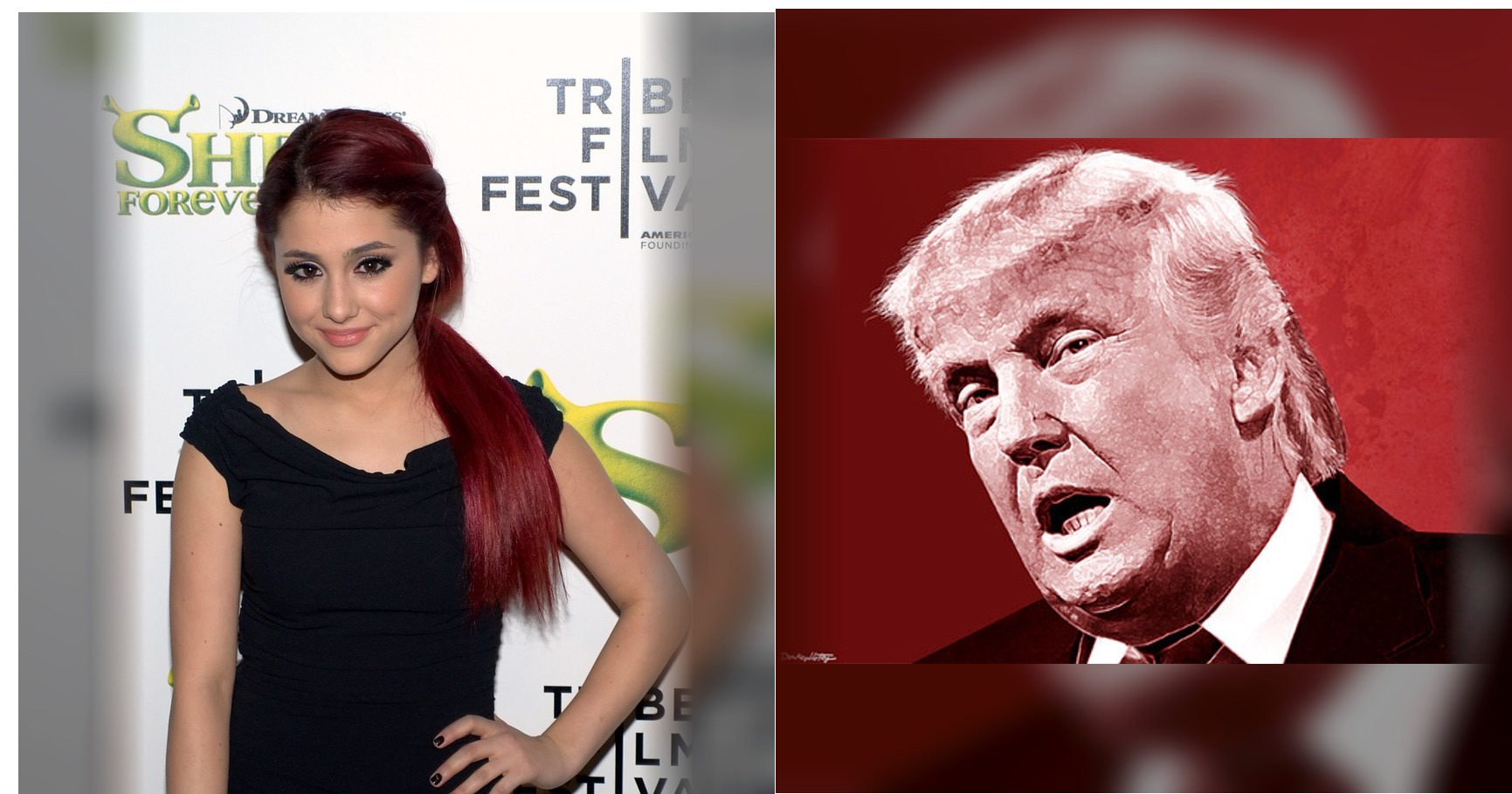
Grande’s objection puts a familiar dispute over artists’ music and political messaging back in focus. The White House defended its immigration record while the singer said her work should not be tied to the video.
Ariana Grande criticized the Trump White House on Monday after it used her 2024 song “Bye” in a video promoting the administration’s immigration policy. Grande asked the White House not to use her music and condemned a clip showing federal agents arresting and handcuffing people, turning a short social-media post into a dispute over who gets to attach political meaning to a pop song.
The White House video paired Grande’s track with images of immigration enforcement and a claim about President Donald Trump’s border record. Grande’s rebuke matters because music can make official messaging feel playful, triumphant or culturally current—even when the images at its center are deeply divisive.
Grande rejected the White House clip
The video was posted to TikTok and used “Bye,” a song from Grande’s 2024 album Eternal Sunshine, as federal agents were shown placing people in handcuffs, leading them into vehicles and taking them to detention facilities.

Its caption said, “Bye-bye,” and credited Trump with delivering “the most secure border in history.” The framing used the song’s title as a slogan for the administration’s approach to immigration enforcement.
Grande replied directly beneath the post, writing: “Please do not use my music in relation to this barbaric, inhumane, heinous nonsense.” Her message made clear that the issue was not simply the song’s appearance, but its connection to the policy and imagery in the video.
Her criticism also included the phrase “Your truth is false,” according to reports on the exchange, a rejection of the administration’s characterization of its immigration agenda and the video’s underlying message.
What the video was designed to say
The White House’s post presented enforcement actions as evidence of a tougher border policy. Supporters of the administration’s approach argue that stronger enforcement is necessary to deter unlawful crossings, remove people accused of crimes and uphold immigration law.
The video arrived as Trump’s administration pursued expanded immigration enforcement. The White House had pointed to new funding for immigration agencies, including more than $70 billion approved for the remainder of Trump’s term, as part of that agenda.
Critics see a different story in the same images. They argue that clips of people being detained can flatten complicated cases into social-media content and risk treating human beings as props in a political message.
That is the tension Grande objected to: a song associated with a breakup and moving on was repurposed to underscore scenes of detention. The White House treated the wordplay as an effective message; Grande said the message was cruel.
The White House pushed back
White House spokesperson Abigail Jackson defended the administration’s position in comments reported by multiple outlets. Jackson said that what is “barbaric, inhumane, and heinous” are criminal undocumented immigrants who have harmed innocent Americans.
The response did not address whether the White House had permission from Grande or the relevant rights holders to use “Bye.” It instead framed the dispute around public safety and the administration’s broader immigration-policy argument.
That distinction is important. A political fight about immigration policy and a potential question about music rights are related, but they are not the same issue. An artist can oppose a message even if a platform, campaign or government account believes it has a legal basis for using a recording.
After Grande’s reply, the video was reportedly muted and her comment was removed. It remains unclear whether the sound was taken down because of a rights claim, a moderation decision or another reason. Neither outcome, on its own, establishes whether the original use was licensed.
Political music disputes keep growing
Grande is far from the first musician to publicly object to Trump-linked political uses of music. During Trump’s 2024 reelection campaign, artists including ABBA, Céline Dion and Beyoncé objected to the use of their work in campaign-related settings.
More recently, Sabrina Carpenter criticized the White House after her song “Juno” appeared in a video involving Immigration and Customs Enforcement operations. Carpenter said her music should not be used to support what she called an inhumane agenda.
These disputes can be confusing because public performance, synchronization and social-media licensing involve different rights. A song’s writer, recording artist, publisher and record label may each hold interests in how it is used. An artist’s personal objection does not automatically reveal the terms of any license—or whether one exists.
Still, the practical point often goes beyond a courtroom question. Musicians build public identities around their work, and political use can make it appear that an artist endorses a candidate, party or policy position. A swift public response is one way to separate the artist from the message.
Why a soundtrack can change politics
A familiar song can do more than fill silence in a short video. It can borrow cultural recognition and emotion, making a political post more shareable and giving an official message a tone that a speech or policy memo would not have on its own.
For the White House, “Bye” offered an obvious hook for a video about removals and detention. For Grande, that same wordplay converted a song she created into a tagline for a policy she strongly rejects.
The clash shows why political use of music rarely stays confined to copyright paperwork. It also raises questions of reputation, audience interpretation and artistic control. Fans may read the appearance of a song as approval unless the performer says otherwise.
Grande has now made her position unambiguous. The White House has defended its immigration-policy message, while the circumstances around permission for the song’s use remain unclear. What is certain is that the exchange has put the administration’s social-media strategy—and the power of a pop soundtrack to sharpen a political argument—under a brighter spotlight.




Leave a Reply