
The fight was not over whether unauthorized immigrants would be counted in the census itself, but whether they would be included in the numbers used to allocate House seats. That distinction could shape states’ political power for a decade.
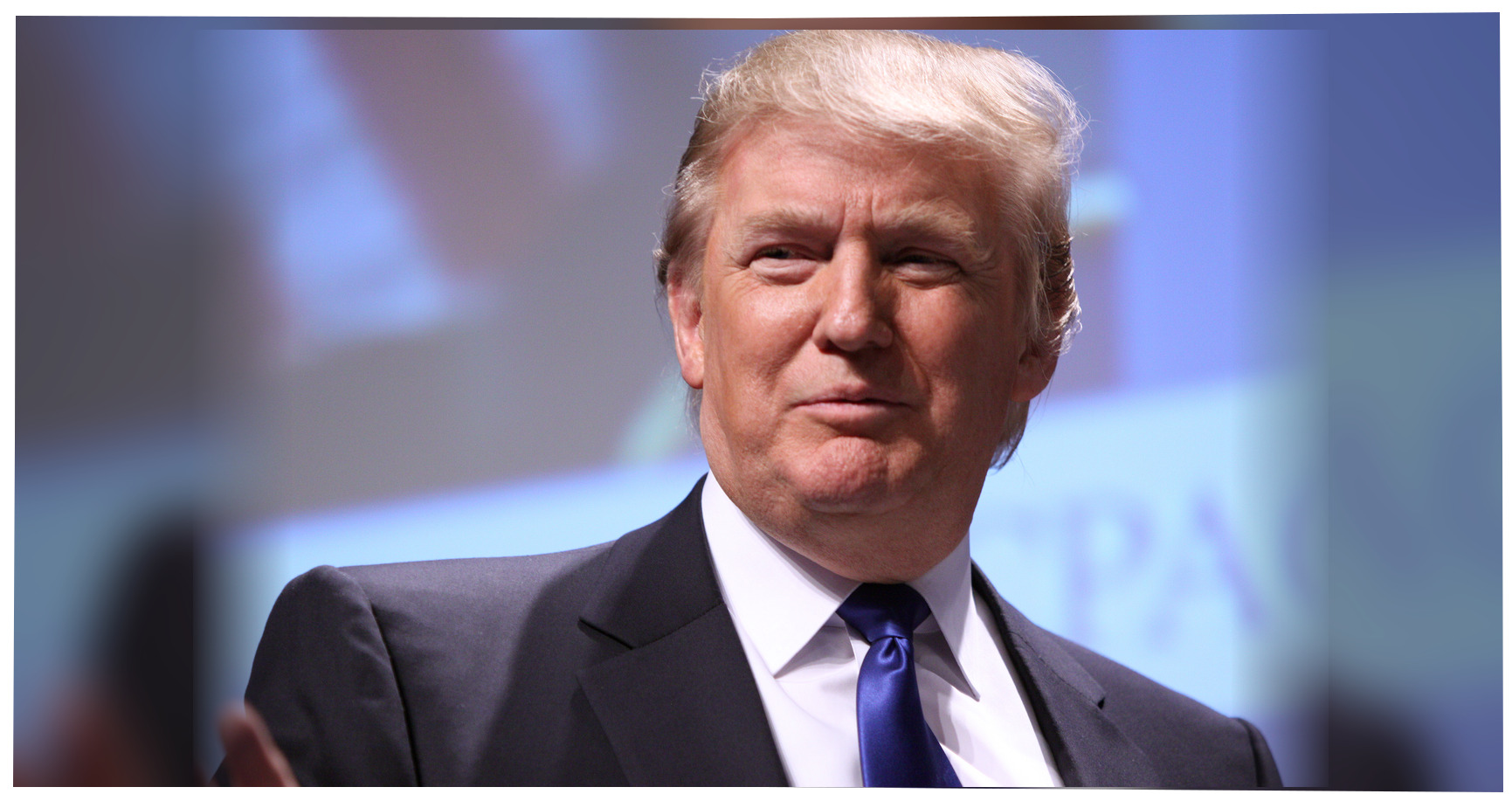
Donald Trump is pushing to use the U.S. census to influence elections by seeking to exclude unauthorized immigrants from population figures used for congressional apportionment. Critics say the effort would weaponize the census because the once-every-10-years count helps divide all 435 House seats among the states, affecting political representation in the United States for a full decade.
The proposal came through a 2020 presidential memorandum directing the Commerce Department to provide information that could allow unauthorized immigrants to be excluded from the apportionment tally. The dispute matters because census totals help determine not only House seats, but also the political weight states carry in Washington.
The census does more than count people
The census is a constitutional head count of people living in the United States. It is conducted at 10-year intervals, and its results are used to reapportion, or redistribute, seats in the House of Representatives among the 50 states.
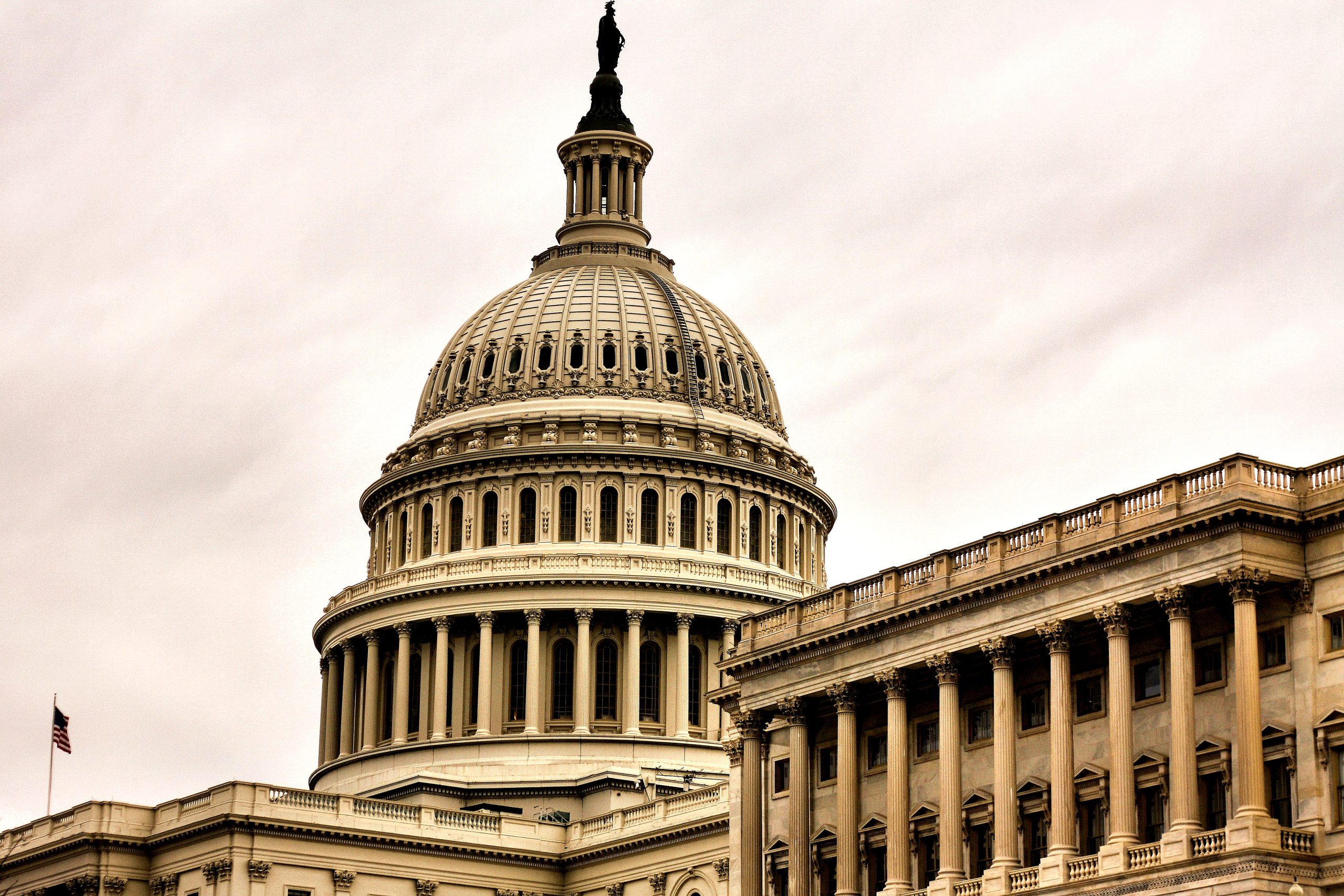
Every state receives at least one House member. The remaining seats are assigned based on population, meaning a state that grows faster than others can gain representation while another can lose it.
Those changes do not merely alter congressional maps. House seats affect each state’s number of Electoral College votes, since a state’s electoral votes equal its House members plus its two senators. Census-based population totals also guide the distribution of federal funding and inform legislative redistricting.
Trump targeted the apportionment tally
Trump’s memorandum did not propose deleting people from the census questionnaire or stopping the Census Bureau from attempting to count them. Instead, it sought to change which population numbers would be used when allocating House seats.
According to NPR’s reporting at the time, the memorandum instructed Commerce Secretary Wilbur Ross to include information that would permit the president, “to the extent practicable,” to exclude unauthorized immigrants from the apportionment count.
That qualification was central to the controversy. Census forms did not ask respondents about immigration status, creating a practical question about how the government could reliably identify and subtract people from the numbers used for apportionment.
The administration argued that the president had discretion over the apportionment report. Supporters of the policy, including Alabama officials pursuing a related lawsuit, said representation should be tied to people lawfully residing in the country and argued that states with fewer unauthorized immigrants could otherwise lose political influence.
Why opponents called it weaponization
Opponents viewed the proposal as an attempt to use a neutral national count to produce a political result. Their argument was straightforward: people who live in a community use roads, schools, hospitals and local services, and excluding them from representation totals would reduce the formal voice of communities where they live.
Civil-rights and immigrant-rights groups said the approach risked discouraging participation in the census, particularly among households already wary of sharing information with the federal government. A less complete count can itself reshape representation and federal resource decisions.
Dale Ho, then director of the American Civil Liberties Union’s Voting Rights Project, described the move as an effort to “weaponize the census” against immigrant communities. New York Attorney General Letitia James argued that every person residing in the country must be counted regardless of status.
Critics also pointed to the timing. The memorandum followed the Trump administration’s unsuccessful push to add a citizenship question to the 2020 census, a separate proposal that had already generated court fights and concern that participation would fall in immigrant communities.
The constitutional question is broad
The legal debate turns on a deceptively simple word: “persons.” The Constitution calls for an “actual Enumeration” every 10 years, and the Fourteenth Amendment says congressional representation should be apportioned based on the “whole number of persons in each State.”
For the nation’s history, official census population counts have included citizens and noncitizens, regardless of immigration status. NPR noted that this practice dates back to the first census in 1790.
Those opposing Trump’s approach argued that the Constitution’s wording concerns residents, not citizenship or immigration authorization. They also stressed that Congress, rather than the president acting alone, has extensive authority over the rules governing the census.
Supporters countered that counting unauthorized immigrants for apportionment can shift House seats and Electoral College votes toward states with larger immigrant populations. That claim frames the issue as one of fairness between states; opponents say it wrongly treats representation as a benefit reserved only for citizens.
Practical hurdles complicated the plan
Even apart from constitutional arguments, carrying out the policy presented major operational problems. The 2020 census questionnaire did not ask whether a person was a citizen or lacked legal immigration status.
Producing an estimate of unauthorized immigrants for each state would therefore require drawing on administrative records or other methods. But the reliability of those methods, and whether they could be used in an apportionment calculation, became a major point of dispute.
NPR reported that statistical sampling could not be used for the figures used to reapportion Congress under a 1999 Supreme Court ruling. That left unresolved questions about what data the Census Bureau could use and how confidently it could separate people by status for the purpose Trump proposed.
The pandemic also disrupted the 2020 count, increasing pressure on the Census Bureau at the same time the administration’s policy decisions were attracting legal challenges.
The stakes last beyond one election
The sharpest criticism of Trump’s census effort was not simply that it concerned immigration. It was that the proposal could turn population measurement into a tool for reallocating political power.
A shift of even one House seat can matter in a closely divided chamber. Over 10 years, the consequences can extend to presidential elections, redistricting fights, federal funding formulas and the ability of communities to press their interests through elected representatives.
There are competing views over whether apportionment should reflect all residents or only people legally authorized to live in the country. But the existing constitutional and historical practice of counting persons has made any attempt to change that standard exceptionally consequential.
That is why the argument drew such intense attention: the census may look like a statistical exercise, but it is also one of the country’s most important mechanisms for deciding who is represented and where political power sits.









Leave a Reply