
The available reporting identifies FIFA charges and an investigation following the Argentina-Spain World Cup final melee. It does not independently confirm the final length or terms of any reported bans.
Argentina players were reported to have been handed major disciplinary bans after a brawl at the World Cup final, but the available source material more specifically describes FIFA opening proceedings over the post-match confrontation. The case names Leandro Paredes, Nahuel Molina and Argentina coach Roberto Ayala, making the incident far bigger than a routine final-whistle scuffle.
The bans followed a brawl at the World Cup final between Argentina and Spain, according to the trend report. What is clear from FIFA’s disciplinary update, as reported by The Athletic, is that several individuals and the Argentine Football Association face allegations; what remains unclear is whether final sanctions matching the reported “massive bans” have been formally imposed.
FIFA’s case reaches beyond one clash
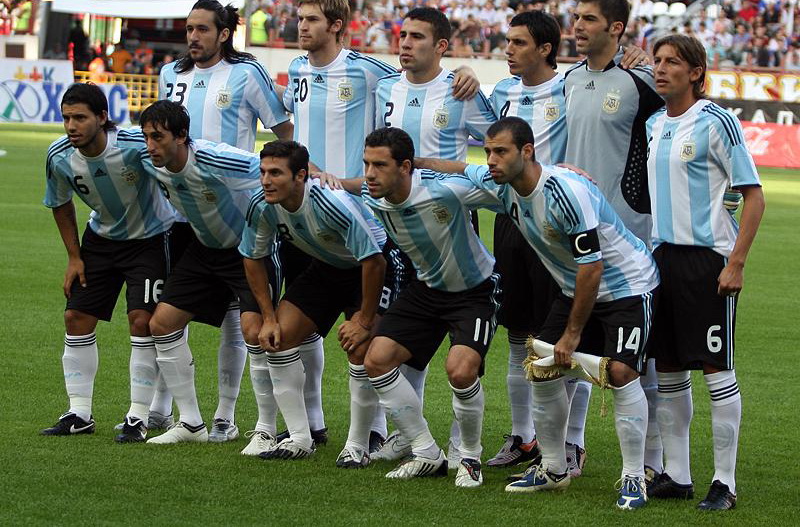
FIFA’s disciplinary arm opened proceedings against three Argentina-linked figures over altercations at the final. Paredes is being investigated for three alleged counts of assault, Molina for two alleged counts, and Ayala for one alleged count.
Those are allegations within a disciplinary process, not criminal findings. FIFA’s process gives the governing body room to review video, referee reports, official testimony and submissions from the people and associations involved before setting any punishment.
Molina also faces an alleged unsporting-behaviour violation. Argentina midfielder Thiago Almada and Spain midfielder Gavi were each listed in connection with alleged unsporting behaviour, underscoring that FIFA’s review is not confined to one team.
The flashpoints FIFA is examining
The reported confrontation followed Spain’s extra-time victory over Argentina in the World Cup final on July 19. The Athletic reported that Argentina’s Enzo Fernández had been sent off before the late brawl, adding to an already combustible match.
In the post-match scenes described in that report, Molina appeared to strike Spain midfielder Rodri in the stomach. Paredes appeared to grab Spain defender Eric García by the throat before Gavi was thrown to the ground amid a wider melee.
Those descriptions help explain why FIFA categorized the alleged conduct under assault and unsporting-behaviour provisions rather than treating it as ordinary pushing and shoving. Still, the precise findings will depend on FIFA’s final assessment of the footage and evidence.
Argentina’s federation faces separate allegations
The disciplinary action also extends to the Argentine Football Association, or AFA. FIFA is investigating the federation over alleged non-sporting demonstrations, team misconduct, discrimination and racist abuse, plus match order and security.
Those allegations are connected to more than the final. FIFA cited inappropriate messages displayed by the team and supporters, along with objects allegedly thrown by spectators at several Argentina matches.
A separate controversy involved a banner displayed after Argentina’s win over England in Atlanta reading “Las Malvinas son Argentinas” — “The Malvinas are Argentine.” The phrase refers to the Falkland Islands, a British overseas territory claimed by Argentina. FIFA and football’s rule-makers generally prohibit political messaging at matches, though the banner also prompted a public free-speech debate in the United States.
Why the word “bans” needs care
A disciplinary proceeding can lead to suspensions, fines, warnings, match bans or other sanctions. It can also produce different outcomes for different people, depending on what FIFA finds each person did and whether there is relevant prior disciplinary history.
The reporting available here establishes that FIFA opened the case and identifies the allegations. It does not provide a final FIFA decision spelling out the duration of suspensions for Paredes, Molina, Ayala, Almada or any other Argentina player.
That distinction matters. A headline describing players as having been handed bans suggests a completed ruling. An investigation, even one involving severe accusations, remains a stage in which the accused and their association may respond before penalties are confirmed.
Possible sporting consequences
If FIFA ultimately imposes match suspensions, the timing could be significant for Argentina’s next competitive fixtures and for the players’ club schedules. A lengthy ban can affect international selection, team planning and the public standing of players who were central to the final’s aftermath.
For the AFA, potential consequences could go beyond individual suspensions. Federation-level sanctions sometimes involve fines, warnings, orders concerning supporter conduct or other measures designed to address security and discriminatory-abuse allegations.
There is also a broader issue for FIFA. World Cup finals are football’s most watched matches, and post-match disorder puts pressure on the governing body to show that discipline applies consistently regardless of a team’s profile or the emotion surrounding a title match.
What remains to be decided
FIFA has not, in the material available for this report, published a final ruling that confirms the reported major bans or their lengths. Nor does the available account specify whether each alleged incident was accepted, disputed or mitigated by evidence submitted during the process.
The next meaningful update will be a formal disciplinary decision: one that distinguishes charges from proven violations and identifies any sanctions for individual players, Ayala and the AFA. Until then, the World Cup final brawl is best understood as a serious FIFA case with potentially substantial consequences, rather than a fully settled punishment record.



Leave a Reply