
Denaturalization is one of the government’s most severe civil tools because it can strip citizenship after naturalization. The new push revives a long-running fight over fraud, public safety and how far the government should go.
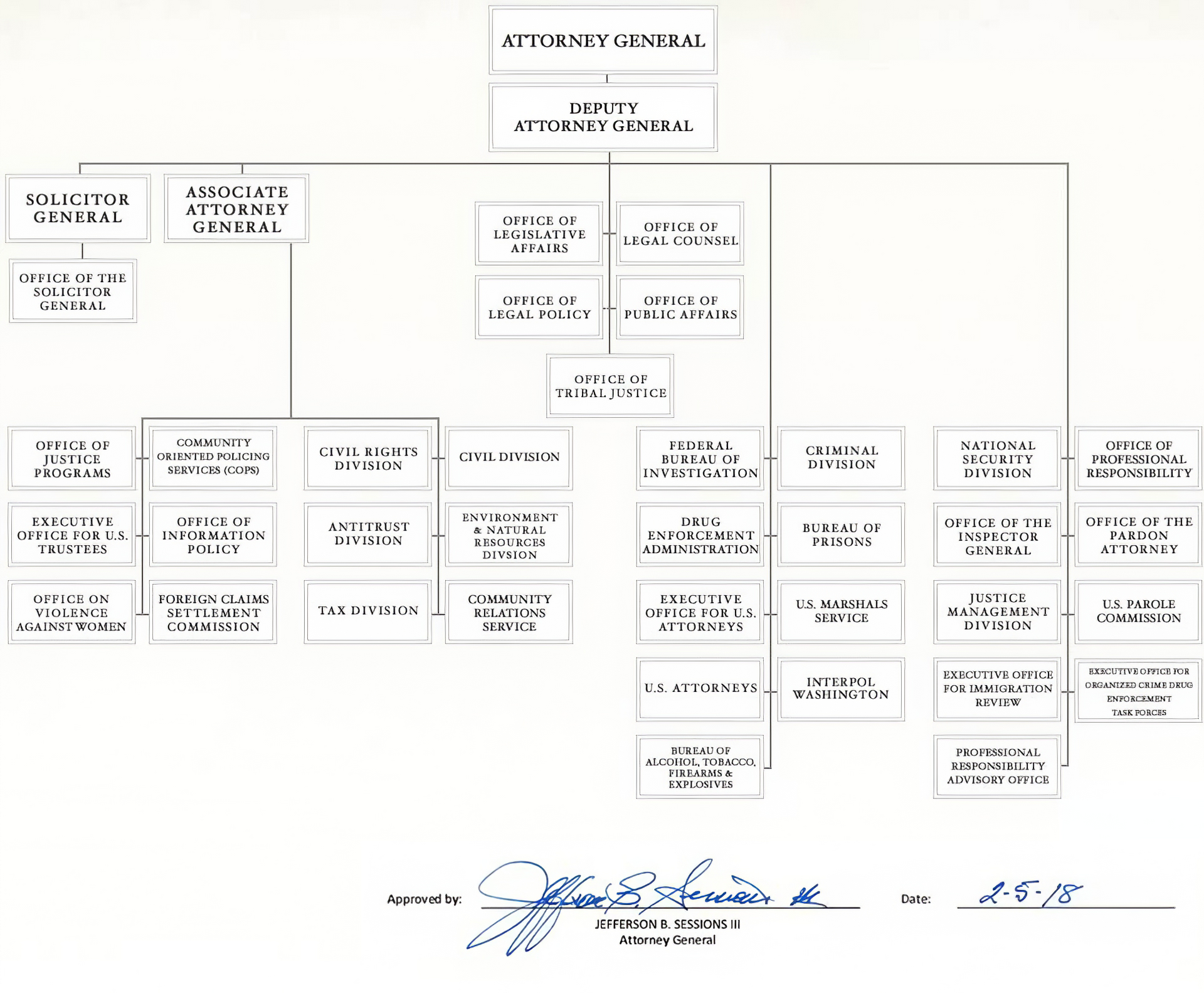
The Trump Justice Department is expanding denaturalization actions against naturalized U.S. citizens, according to a Fox News report republished by MSN. It is calling this the largest denaturalization effort in Department of Justice history. Officials say the campaign is only beginning.
The push matters because denaturalization is not a routine immigration penalty. It is a federal court process that can revoke U.S. citizenship from people who naturalized if the government proves their citizenship was illegally procured or obtained through concealment or willful misrepresentation.
Citizenship revocation is the core issue
Denaturalization sits in a different category from deportation, visa cancellation or border enforcement. It applies to people who already became U.S. citizens through naturalization, meaning they passed through the legal process and received citizenship.
That is why the latest Trump administration push is politically and legally charged. For supporters, it is a way to correct citizenship grants that should never have happened. For critics, any broad expansion raises alarms because citizenship is supposed to be a stable legal status, not something that can be revisited casually years later.
The Department of Justice has long had authority to bring these cases. What is different now, according to the report, is scale and emphasis: a push described as the largest denaturalization effort in department history, with officials signaling that more cases are coming.
Who DOJ says it targets
The Justice Department’s own archived material describes denaturalization as aimed at people who unlawfully obtained citizenship, including terrorists, war criminals, human rights violators, sex offenders and other fraudsters. The department has framed the work as a public safety and integrity measure, not as a general review of every naturalized citizen.
In an earlier DOJ announcement creating a dedicated Denaturalization Section inside the Civil Division’s Office of Immigration Litigation, the department said the unit would investigate and litigate revocation of naturalization. The announcement said the office had already won 95 percent of the denaturalization cases it brought and expected more referrals from law enforcement agencies.
That same DOJ announcement quoted then-Assistant Attorney General Jody Hunt saying that when a terrorist or sex offender becomes a U.S. citizen under false pretenses, it is an affront to the system and to victims. That is the government’s strongest argument: citizenship obtained by fraud is not validly earned citizenship.
But the labels matter. A person is not denaturalized because an official uses a category such as fraudster or national security threat. The government still has to prove its case in court.
The legal standard is narrow
The key statute cited by DOJ is 8 U.S.C. § 1451. It allows the government to seek denaturalization when citizenship was illegally procured or was procured by concealment of a material fact or by willful misrepresentation.
In plain English, the government usually must show that something about the naturalization process was legally defective. That could involve lying about identity, criminal history, wartime conduct, immigration eligibility, membership in certain organizations or other facts that mattered to the decision to grant citizenship.
Civil denaturalization cases also have a feature that makes them especially powerful: DOJ has said they have no statute of limitations. A case can be brought years after a person naturalized if the government uncovers evidence that citizenship was unlawfully obtained.
That does not mean citizenship can be stripped by announcement. Denaturalization normally requires litigation, evidence and a court order. The severe outcome is exactly why these cases draw close scrutiny from judges, immigration lawyers and civil liberties groups.
Why this push feels different
The Trump administration’s immigration agenda has consistently emphasized aggressive enforcement. A large denaturalization campaign fits that broader approach, but it reaches further into the lives of people who are already citizens rather than people seeking entry or legal status.
That shift is what makes the policy significant. Naturalized citizens vote, serve in the military, own homes, raise families and build lives with the expectation that citizenship is permanent unless it was obtained unlawfully. A larger enforcement campaign can reassure some Americans that fraud will be punished, while making others worry about unequal scrutiny of foreign-born citizens.
There is also a practical question: how large can such an effort become without changing its character? A unit focused on serious fraud, terrorism, war crimes and sex offenses is one thing. A campaign that sweeps more broadly into old immigration files could test public confidence, especially if cases involve decades-old paperwork or disputed memories.
The government’s answer is likely to be that fraud has no right to permanence. The counterargument is that the government must be careful not to turn rare remedies into routine pressure.
Past cases show the stakes
DOJ’s archived examples show the kinds of cases the department has highlighted in defending denaturalization work. They include individuals linked by the government to terrorism offenses, wartime atrocities, sexual abuse and major financial fraud.
In some examples, the department said denaturalization prevented people from returning to the United States after convictions or imprisonment abroad. In others, it said proceedings led defendants to leave the country. Those outcomes show why the tool is powerful: losing citizenship can change a person’s ability to remain in or return to the United States.
For victims of serious crimes or fraud, the policy can look like accountability delayed but not denied. For immigrant communities, the same power can feel like a warning that naturalized status may be less secure than citizenship by birth, even though the law limits denaturalization to specific defects in the naturalization process.
That tension will define the politics of the new push. It is not simply an immigration story. It is a citizenship story.
What remains unclear now
The biggest unanswered question is how the Trump Justice Department will define the outer edge of the campaign. The report says officials describe the effort as only beginning, but the public still needs specifics: how many cases are planned, what categories will be prioritized and whether new referrals will come from criminal investigations, immigration file reviews or other agency data.
Another question is how courts will respond if the case volume rises sharply. Denaturalization cases can be fact-heavy and old records may be incomplete. A larger docket could force judges to sort through difficult questions about materiality, proof and fairness.
The administration’s defenders will argue that citizenship obtained by lies should not be protected by time. Opponents will argue that an expansive campaign risks chilling naturalized citizens and politicizing one of the most consequential powers the government has.
The clean takeaway is this: denaturalization is legal, but it is supposed to be exceptional. If the DOJ is now pursuing the largest effort in its history, the central test will be whether the campaign stays focused on proven unlawful naturalization or expands into something much broader.









Leave a Reply