

The committee vote gives Blanche momentum, but not a finished confirmation. His nomination now moves into a tighter Senate calendar shaped by GOP concerns, Democratic opposition and the coming August recess.
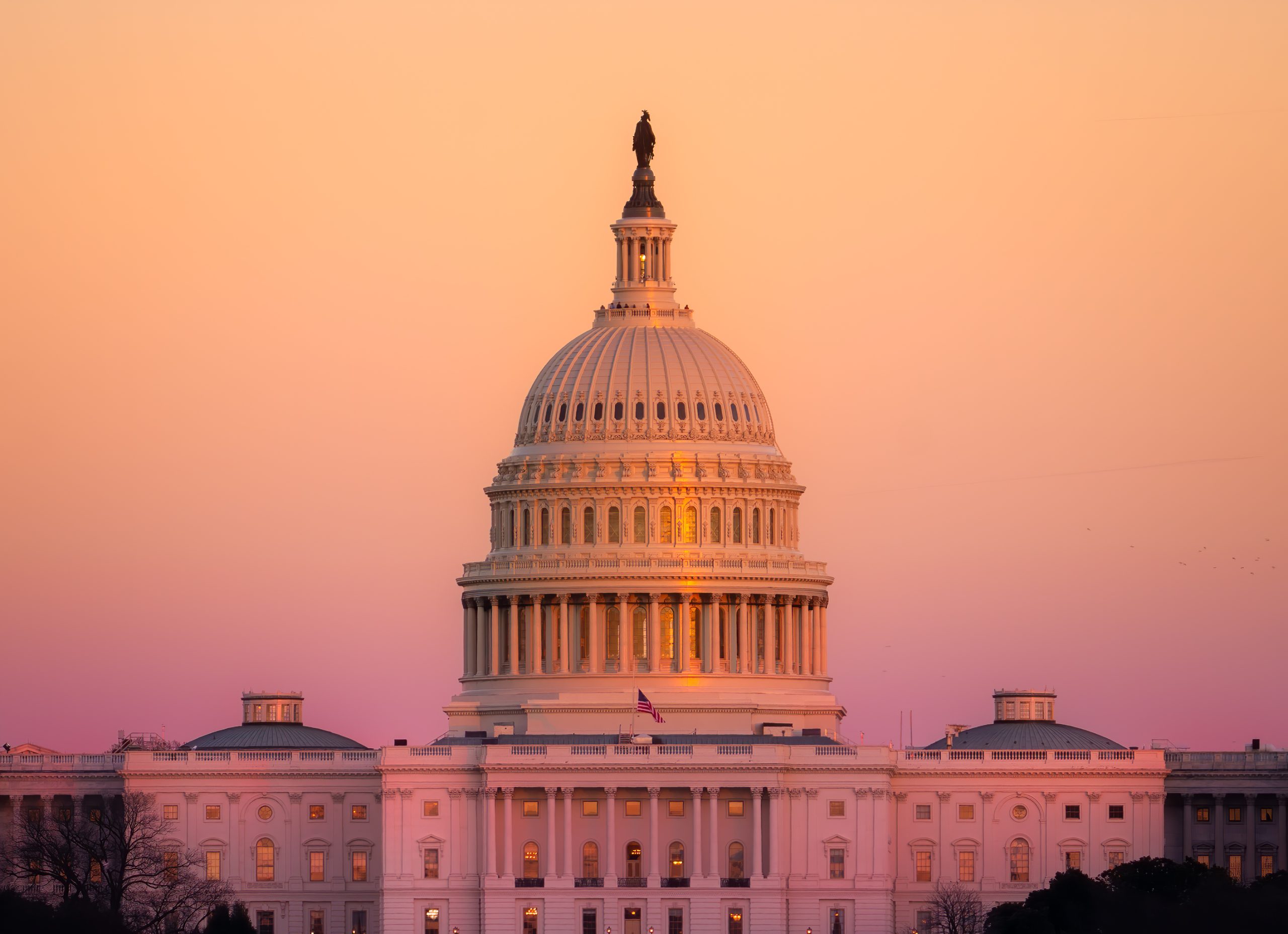
Todd Blanche won approval from a key Senate committee for his nomination to become attorney general in Washington on Aug. 4, 2026. The Senate Judiciary Committee advanced his nomination by a 12-10 vote, a key step in Blanche’s bid to move from acting attorney general to the permanent job.
Blanche wins approval at the committee level, but the outcome is not final. He still needs approval from the full Senate, where timing, Republican unity and objections raised during the process will determine whether President Donald Trump’s nominee is confirmed.
A narrow committee win
The Senate Judiciary Committee’s vote moved Blanche’s nomination out of committee and onto the Senate floor. According to the committee’s Republican majority, the vote was 12-10.
That margin matters because it signals both progress and limits. Blanche cleared the first major Senate hurdle, but he did not do so with a broad bipartisan cushion. USA TODAY reported the vote was along party lines.
Committee approval is often the moment a nomination becomes real for the wider Senate. It gives leadership a nominee ready for floor action, but it does not guarantee that every senator in the president’s party is fully comfortable with the pick.
In Blanche’s case, the committee vote came after two Republican senators who had voiced hesitancy, John Cornyn of Texas and Thom Tillis of North Carolina, agreed to support him, according to USA TODAY.
Why Cornyn and Tillis mattered
The biggest pre-vote drama centered on whether Blanche could shore up support among Republicans on the committee. Cornyn and Tillis became central because their backing helped avoid a damaging setback before the nomination reached the full Senate.
USA TODAY reported that the two senators moved behind Blanche after he formally dropped a proposed $1.776 billion “anti-weaponization” fund and clarified limits related to Trump’s controversial immunity on tax issues.
In a joint statement quoted by USA TODAY, Cornyn and Tillis said they appreciated Blanche and his staff for working with them and looked forward to voting to advance the nomination out of the Judiciary Committee.
That sequence reveals the practical politics of confirmation fights. Even when a nominee has a path through a Senate controlled or influenced by allies of the president, details in policy, funding and presidential power can still force negotiations.
Grassley framed it around safety
Senate Judiciary Committee Chairman Chuck Grassley, an Iowa Republican, cast his vote for Blanche as a vote on public safety. The committee’s Republican press release quoted Grassley saying Blanche’s Justice Department had “reprioritized the safety of Americans.”
Grassley also tied his support to crime and border policy, criticizing the prior Biden administration and saying he was “voting for the safety of the American people.” That framing places Blanche’s nomination squarely inside the larger partisan fight over crime, immigration and the Justice Department’s direction.
The same committee release said Blanche’s nomination has support from over 670,000 law enforcement officers, 300 Angel Families and more than 100 bipartisan U.S. attorneys and DOJ officials spanning eight administrations. Those numbers come from the Republican side of the Judiciary Committee and are part of its case for confirmation.
The release also asserted that, under Blanche’s leadership at the Department of Justice, the U.S. homicide rate has fallen to its lowest level in more than 125 years and that major violent crime categories have dropped below pre-pandemic levels. Those claims are presented by the committee majority as evidence for Blanche’s record, though crime trends are often shaped by multiple federal, state and local factors.
The full Senate is next
The committee vote tees up possible action by the full Senate later in the week, according to USA TODAY. The timing is notable because senators were slated to leave Washington for a scheduled August recess.
That calendar can increase pressure on both sides. Supporters may want to secure confirmation before lawmakers leave town. Opponents may use the compressed schedule to argue that the Senate should slow down and scrutinize the nomination more closely.
White House officials told USA TODAY they felt confident after the Judiciary Committee vote that Blanche would be confirmed. White House spokeswoman Abigail Jackson praised his work as acting attorney general and said the administration looked forward to his final confirmation shortly.
Confidence from the White House is expected at this stage, but it is not the same as a floor vote. The Senate still has to schedule consideration, manage debate and produce enough votes for confirmation.
Blanche’s Trump connection shadows the vote
Blanche is not a typical nominee arriving as a neutral institutional figure. USA TODAY reported that Trump nominated him in June after firing Attorney General Pam Bondi, and that Blanche previously served as Trump’s personal criminal defense lawyer.
That history is one reason the confirmation fight carries stakes beyond ordinary personnel politics. The attorney general leads the Justice Department, oversees federal law enforcement priorities and plays a central role in maintaining public confidence that prosecutions and investigations are handled independently.
Supporters point to Blanche’s current role as acting attorney general and argue he has already shown he can lead the department. Critics are likely to focus on whether a former personal lawyer to the president can convincingly protect the department’s independence, especially on matters involving presidential power, political opponents or allies.
The available committee material highlights Republican support and Grassley’s public-safety argument. It does not include a detailed Democratic counterstatement in the extracted record, but the 12-10 party-line vote shows Democrats on the committee did not back the nomination.
What remains unresolved
Blanche’s committee win gives him momentum, but the nomination is now in the more visible phase. Floor consideration forces every senator to decide whether to support the president’s preferred leader for the Justice Department.
The unresolved questions are straightforward. Will any Republicans with remaining concerns break ranks? Will Democrats keep unified opposition? Will Senate leaders move quickly enough to act before the August recess?
There is also the broader question of what commitments Blanche made, formally or informally, to satisfy concerns from Cornyn and Tillis. The reported withdrawal of the $1.776 billion “anti-weaponization” fund and clarifications on tax-related immunity helped him through committee, but senators may still press for clearer boundaries if the nomination reaches floor debate.
For now, the verified outcome is limited but significant: the Senate Judiciary Committee advanced Todd Blanche’s nomination to be U.S. attorney general by 12-10. The next test is whether that narrow committee victory can become a full Senate confirmation.








Leave a Reply