
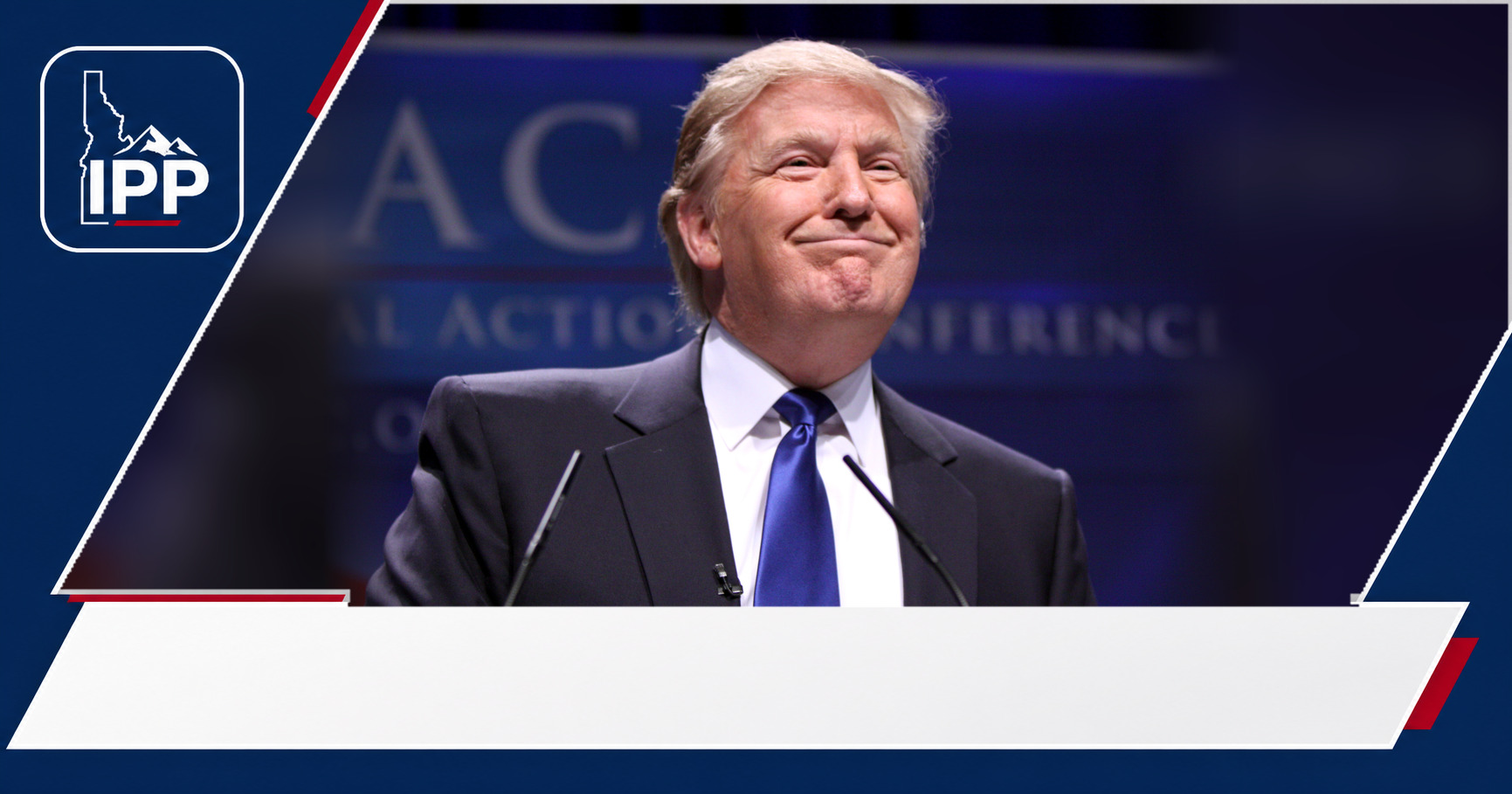
The trip gives Trump a stage to raise money, attack Democrats and try to improve his standing on an issue where polling shows vulnerability. It also shows how Republicans are using blue-state and battleground-state stops differently before November.
Donald Trump is making a rare Western trip this week to California and Nevada, and the trip is to raise money for Republicans while Trump will talk about the economy. The Tuesday stop in Los Angeles includes a Republican National Committee fundraising dinner at a family-owned golf club in Rancho Palos Verdes; Wednesday brings an economy event at Red Rock Casino in Las Vegas.
It matters because the November elections will determine whether Republicans keep control of Congress. Trump is trying to sharpen contrasts with Democrats on the economy, border security and crime while polls show many Americans remain unhappy with costs and uncertain about the country’s direction.
A money stop, then a message test
The trip has two different political functions. In California, Trump is leaning into donor politics, appearing at a Republican National Committee fundraising dinner in a state where Democrats dominate statewide offices but wealthy Republican contributors still matter nationally.
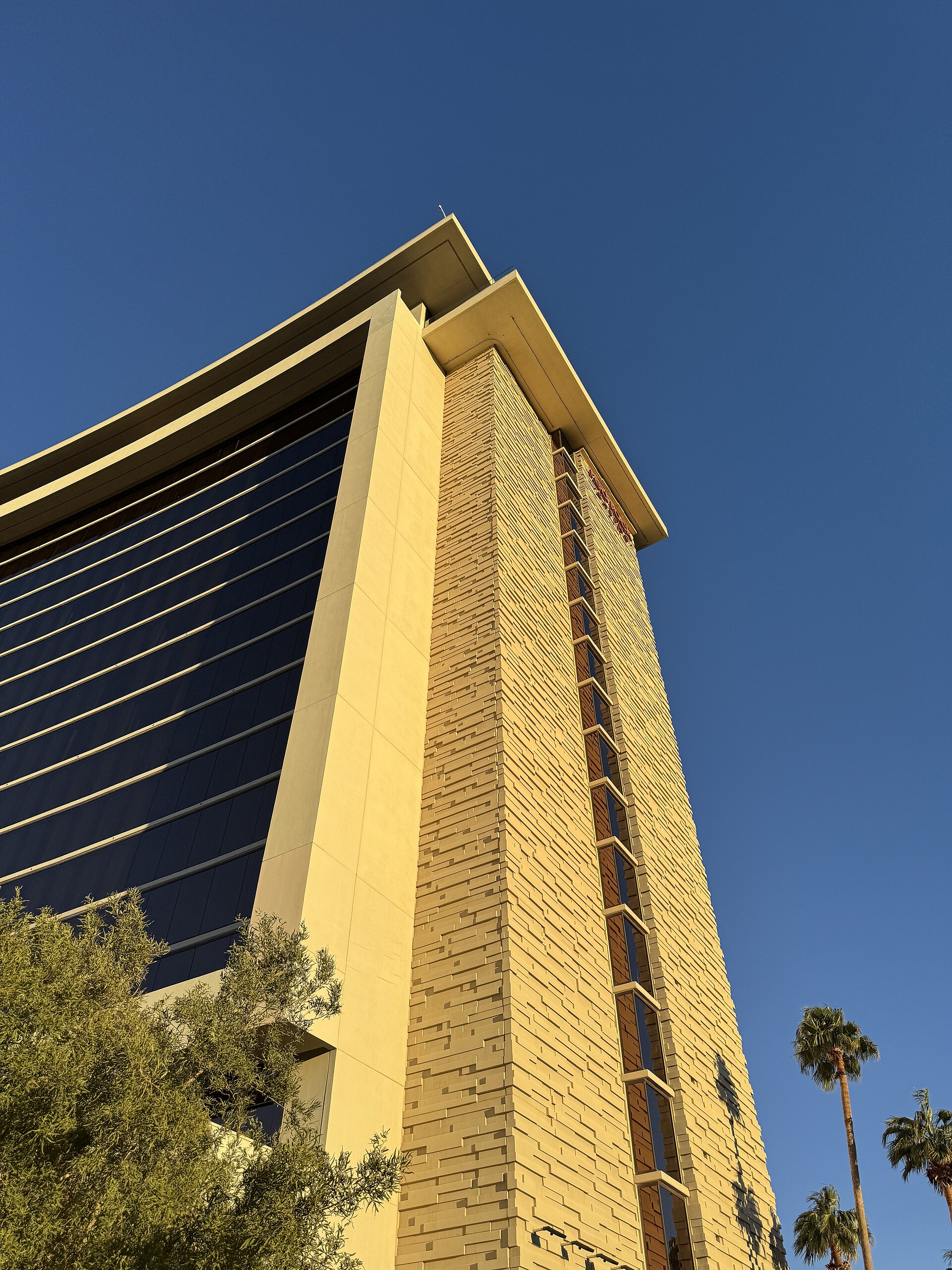
In Nevada, the emphasis shifts to persuasion. Trump is scheduled to speak about the economy at Red Rock Casino in Las Vegas, a more politically competitive setting where affordability, housing and energy costs are central to the 2026 campaign conversation.
That split is the point. California can help finance Republican campaigns even if it is not likely to deliver Trump a statewide win. Nevada, by contrast, is a place where the party’s economic argument may have to work with voters who are feeling the squeeze in real time.
Why the economy is risky terrain
Trump often points to stock market gains and low national unemployment as proof that his policies are working. The problem for him is that many voters are not measuring the economy through market indexes or topline job numbers. They are measuring it at grocery stores, gas stations, rent offices and mortgage calculators.
An AP-NORC poll conducted in late July found that 32% of U.S. adults approved of Trump’s handling of the economy. The same poll found that 69% of Americans described the economy as “poor,” with many calling the cost of everyday essentials such as groceries and gas a major source of stress.
Those numbers explain why an economy speech in Nevada is not just another event on a presidential schedule. It is an attempt to reclaim an issue that Republicans usually want to own, but that has become politically complicated while inflation, high interest rates, tariffs and housing shortages continue to shape household budgets.
The White House’s argument is that Trump’s agenda is built around tax cuts, reduced fraud in government programs, stricter immigration enforcement and a tougher approach to crime. Democrats counter that his policies and priorities have not lowered costs fast enough for working families.
California offers cash and conflict
Trump’s California stop also revives his long-running feud with Gov. Gavin Newsom, one of the Democratic Party’s most visible Trump critics and a figure widely discussed as a possible 2028 presidential contender. The state gives Trump a familiar foil: a Democratic-led government he can portray as a warning sign for the country.
White House spokesperson Olivia Wales said Trump planned to “draw a sharp contrast” between his agenda and what she described as the “radical policies” of Democrats such as Newsom. That framing fits Trump’s broader campaign style: use a hostile political setting as a backdrop for a national argument.
Newsom’s side is making its own case. The governor’s office accused Trump of coming to California to raise money and attack the state rather than help wildfire survivors. Newsom pointed back to Trump’s January 2025 pledge to “take care of Los Angeles” after devastating fires and said survivors were still waiting.
California Democratic Party Chair Rusty Hicks sharpened the criticism, saying Trump treats the state like a political punching bag until he needs donor checks. That is the Democratic argument in miniature: Trump may be able to raise money in California, but Democrats want voters to see the stop as transactional.
Nevada puts affordability upfront
Nevada is a different kind of test. The state is led by Republican Gov. Joe Lombardo, who faces Democratic Attorney General Aaron Ford in a competitive reelection race in November. That makes Trump’s visit more than a national messaging stop; it also lands inside one of the year’s closely watched state contests.
Democrats in Nevada are already trying to tie Trump and Lombardo to higher costs. The state party is putting up billboard signs around the visit, according to the AP, connecting the Republican brand to affordability concerns.
The issues there are not abstract. Nevada is dealing with a shortage of affordable housing, rising energy demand linked in part to artificial intelligence data centers, and federal cuts affecting state programs. Las Vegas-area voters who hear an economy speech may be listening less for slogans than for answers on rent, power bills and wages.
That is a hard environment for any incumbent party. Even when national indicators look stable, voters in high-growth states can feel that prosperity is passing them by if housing supply is tight and utility costs keep rising.
A security issue shadows the trip
The California stop also came with a security-related disclosure. Authorities said a California man who had ammunition and a gun in his car was arrested Sunday at the Rancho Palos Verdes golf course where Trump was set to attend the fundraiser. Officials said the man appeared to have been monitoring security preparations.
The available reporting does not establish a broader plot, and the details remain limited. Still, the timing put an additional layer of tension around a trip already designed for political theater and high-dollar fundraising.
For readers, the important distinction is between confirmed facts and speculation. The confirmed facts are that authorities announced an arrest, described what they said was found, and linked the location to the upcoming event. Anything beyond that depends on further investigation and official statements.
The bigger GOP calculation
Trump’s Western swing shows how Republicans are trying to solve two campaign problems at once. They need money to defend congressional control in November, and they need a message that can reach voters who say the economy still feels bad.
The fundraising side is straightforward. National campaigns are expensive, and California remains a major source of political money even for Republicans who struggle statewide. A Los Angeles-area dinner can help power races far beyond California.
The message side is harder. Trump has tried for months to sell voters on income tax cuts and claims of a manufacturing comeback. But when voters are focused on housing, groceries, gasoline and interest rates, a broad prosperity pitch can sound disconnected unless it addresses the bills people actually pay.
That is why the Nevada speech matters. If Trump can make the economy feel like a Republican advantage again, it helps the party’s congressional case. If he cannot, Democrats will keep arguing that GOP control has not translated into relief for households.
What remains unclear before November
The trip will show whether Trump wants to stay tightly focused on affordability or use the economy as a launching point for attacks on political enemies, immigration and crime. Past speeches billed as economic addresses have sometimes moved quickly into broader grievances and personal riffs.
That style can energize loyal supporters and donors. It can also dilute the message for voters who are waiting for a clearer explanation of how prices, housing and wages would improve.
The unanswered question is not whether Trump can command attention in California and Nevada. He can. The question is whether attention becomes political leverage for Republicans in November, especially in places where voters are skeptical of both parties’ economic promises.
For now, the Western trip is a compact version of the GOP’s 2026 challenge: collect the checks, sharpen the contrast with Democrats, and convince voters that the economy they feel every day is better than they think — or at least that Republicans are more likely to fix it.




Leave a Reply