

The results point in two directions at once: Bell strengthened his hold on a St. Louis-area House seat, while voters declined to make direct democracy harder to use.
Rep. Wesley Bell won the Democratic primary in Missouri’s 1st Congressional District, while Missouri voters rejected a proposal to raise the approval standard for citizen initiatives. The shorthand result is clear: Rep. Bell wins Democratic primary, and the ballot measure asking voters to move beyond the usual 50% approval baseline toward an 80% standard failed.
The Aug. 4 results matter beyond one St. Louis-area race. Bell’s win keeps him on a favorable path in a district rated Solidly Democratic, while the initiative vote shows Missouri voters were not ready to narrow their own power at the ballot box.
Bell’s primary win was decisive
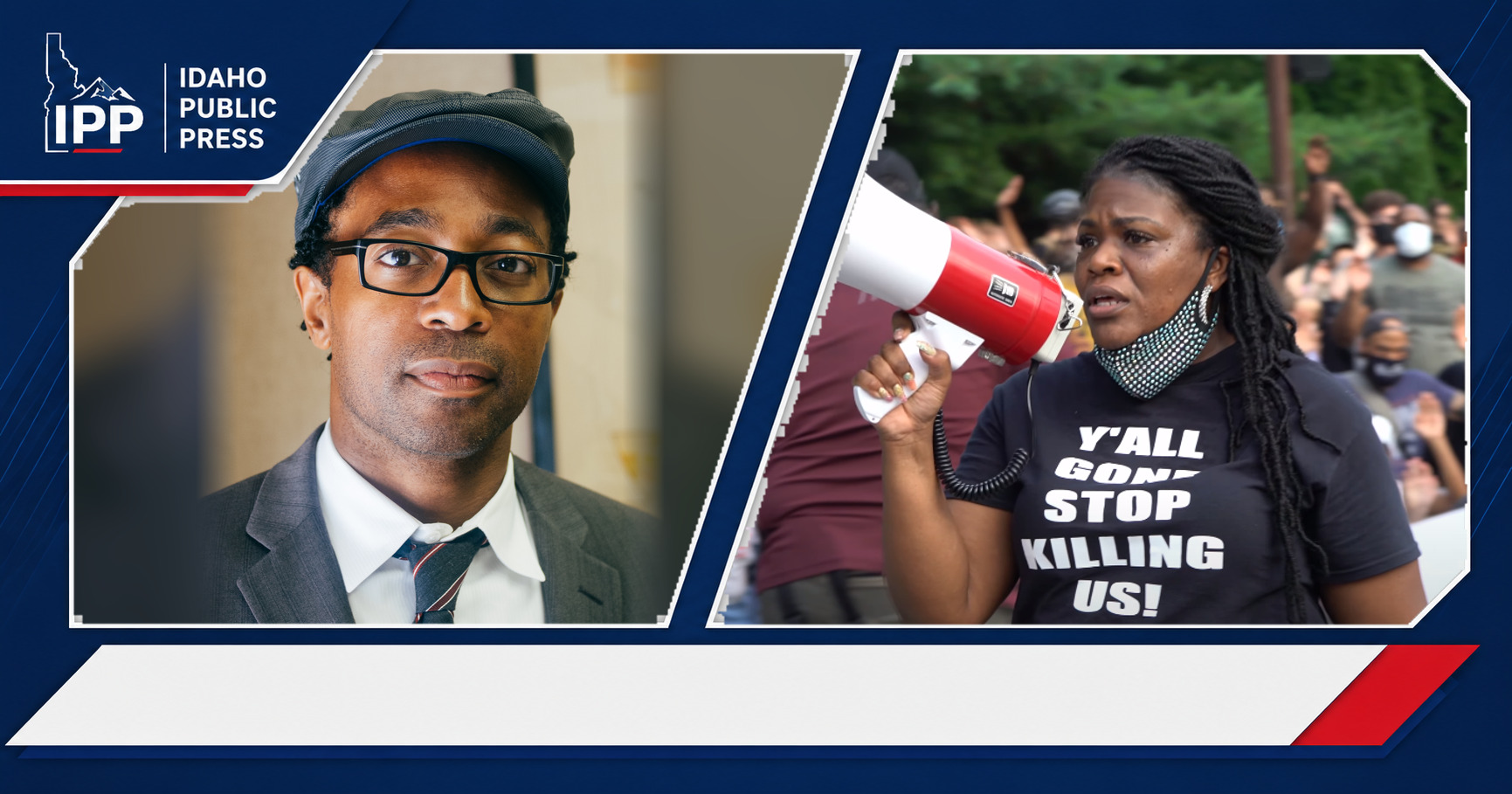
Bell, the incumbent Democrat, defeated former Rep. Cori Bush and several lesser-known challengers in the Democratic primary for Missouri’s 1st Congressional District, according to election results published by The New York Times using an Associated Press race call.

The Times’ results showed Bell with 39,745 votes, or 66.8%, compared with Bush’s 17,456 votes, or 29.3%, with 59,515 Democratic votes reported at the time of the update. Alissa Murphy, Carl E. Harris Sr. and Carl Earnest Henderson trailed far behind.
That margin matters because the 1st District is not just any Democratic primary. The seat covers the St. Louis area and is rated Solidly Democratic by The Cook Political Report, meaning the Democratic nominee is expected to enter November with a strong structural advantage.
For Bell, the result was more than a routine renomination. It reaffirmed the coalition that carried him into Congress and showed Bush, a high-profile progressive who previously represented the district, could not turn a comeback bid into a close race.
St. Louis powered the result
The available county-level returns point to Bell’s strength across the district’s two main vote centers. In St. Louis County, the Times’ results showed Bell ahead by 41 points. In St. Louis City, he led by 26 points.
Those numbers help explain why the race could be called even before every expected vote was in. Election calls are based not only on raw vote totals, but also on where votes remain outstanding and whether a trailing candidate has a realistic path to catch up.
Bell’s advantage in both St. Louis County and St. Louis City cut off the most obvious route for Bush to make the race competitive. A challenger trying to unseat an incumbent usually needs either a geographic base that overperforms or a late-count trend strong enough to change the shape of the race. The reported results showed neither.
The Republican primary drew far fewer reported votes in the district. That gap fits the broader rating of the seat and underscores why the Democratic primary is often the decisive contest in heavily Democratic House districts.
The initiative vote sent another message
On the same night, Missouri voters rejected a proposal to raise the approval standard for citizen initiatives, leaving the current simple-majority framework intact. Missouri Secretary of State materials describe the existing rule this way: for a petition to pass, 50% voter approval is needed.
The rejected proposal centered on a much higher bar. Secretary of State petition materials for the 2026 cycle referenced an 80% standard in the context of changing citizen initiatives, a threshold that would have made voter-approved measures much harder to alter or, depending on the measure’s design, harder to move through the system.
The broader fight is familiar in states with active initiative processes. Supporters of stricter rules argue that constitutional and statutory changes should require broad consensus, especially when outside groups spend heavily to influence ballot campaigns.
Opponents see higher thresholds as a way to weaken direct democracy. Their core argument is simple: if voters can elect officials by majority vote, they should not need a supermajority to pass an initiative that lawmakers dislike.
Why the 50% line matters
A 50% threshold sounds technical, but it shapes who has power when the legislature and public disagree. Citizen initiatives allow voters to put questions directly on the ballot, bypassing lawmakers when enough signatures are gathered and legal requirements are met.
Raising the threshold to something closer to 80% would change the math dramatically. A proposal could win by a landslide in ordinary political terms and still fail. A minority of voters could block measures supported by a large statewide majority.
That is why fights over initiative rules often become proxy battles over abortion rights, minimum wage laws, redistricting, marijuana policy, ethics rules and other high-salience issues. The rule can matter as much as the issue on the ballot.
Missouri voters have used ballot measures repeatedly to settle questions that elected officials either resisted or avoided. Keeping the 50% baseline preserves that pathway, though it does not end disputes over ballot language, signature rules, court challenges or legislative attempts to revise voter-approved laws.
Two different kinds of power
Put together, the night’s results show two different kinds of political power in Missouri. Bell’s win was a candidate result: an incumbent with clear advantages beat back a challenge in a district where the Democratic nomination carries major weight.
The initiative result was an institutional one. Voters were asked whether the rules of direct lawmaking should become harder. They said no, at least to this version of a higher approval standard.
Those outcomes can coexist. Missouri can send Republicans to statewide office, Democrats to deeply blue urban districts and still show skepticism when voters believe their own ballot power is being reduced.
That mix is one reason state politics can be harder to read than national maps suggest. Party identity matters, but rules about who gets to decide can cut across ordinary partisan expectations.
What remains unsettled
Election-night results are followed by certification, and vote totals can shift as remaining ballots are counted. The Associated Press call and the reported margins, however, left Bell as the Democratic primary winner and the initiative-threshold proposal defeated.
The next stage for Bell is November, where the district’s partisan lean gives him a strong advantage but not a formal guarantee. Campaigns still have to be run, turnout still matters and national conditions can shape even races that begin with a clear favorite.
For the initiative system, the bigger question is whether this defeat discourages future attempts to change the rules or simply resets the fight. Lawmakers and advocacy groups in many states have repeatedly returned to threshold changes after voters used ballot measures to approve policies the legislature opposed.
The clearest takeaway from Missouri is narrower but important: voters backed Bell in the Democratic primary and declined to raise the bar for citizen initiatives. One result strengthened an incumbent. The other preserved a route for voters to challenge the political establishment directly.







Leave a Reply