
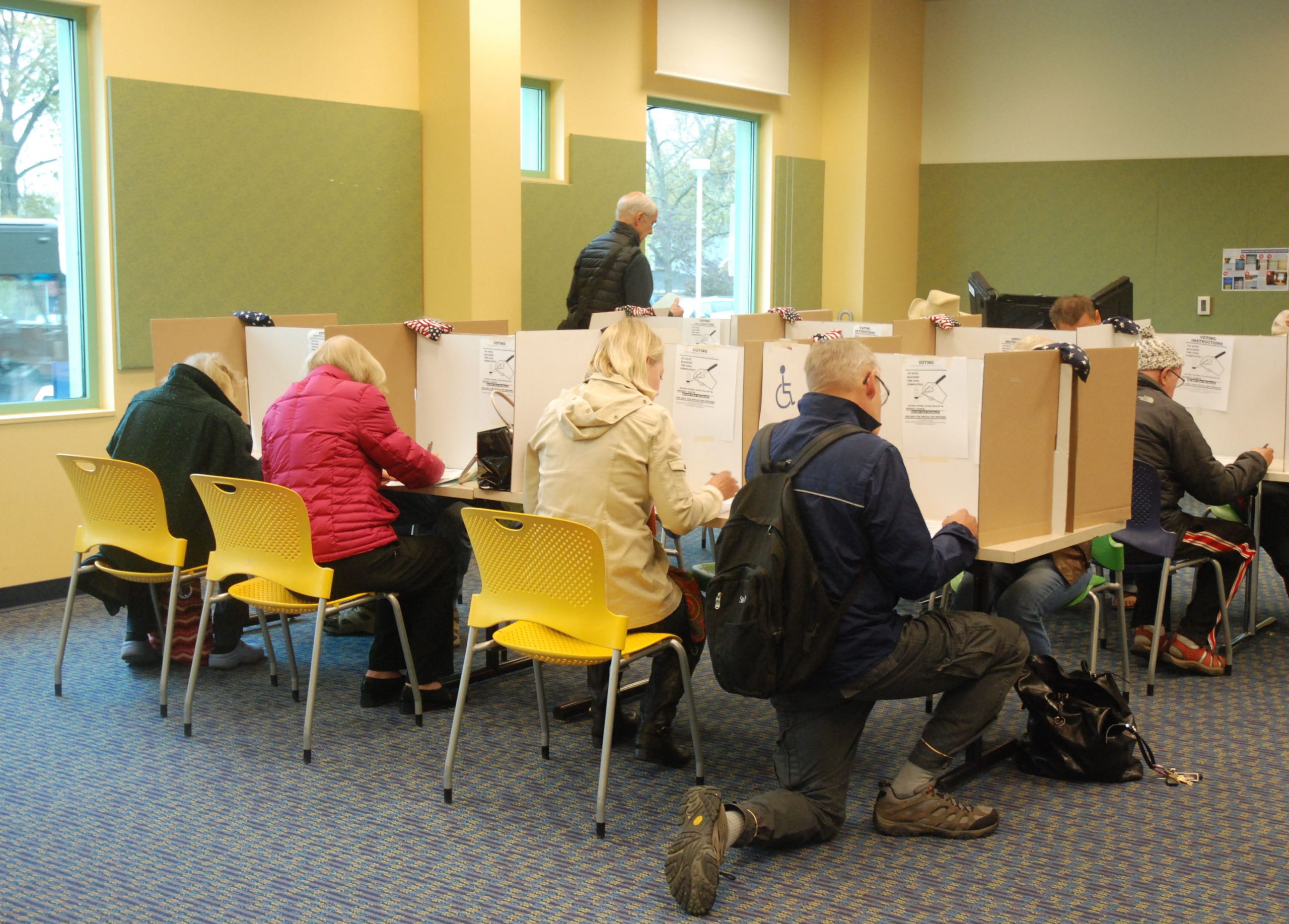
The vote keeps Missouri’s amendment process intact after years of high-stakes ballot wins on abortion, marijuana, Medicaid and sports betting. It also signals how sharply voters are weighing access to direct democracy itself.
Missouri voters rejected a measure that would have made it harder to pass constitutional amendments, preserving the state’s current 50% approval standard for the ballot measure process after the Aug. 4, 2026 primary. The outcome matters because future constitutional amendments in Missouri will still be decided under the simpler majority rule now used for voter-driven changes.
The Associated Press reported the defeat as Missouri officials posted unofficial election results. The measure had drawn attention well beyond a routine primary because it targeted the rules voters use to amend the Missouri Constitution, a tool that has recently shaped some of the state’s biggest policy fights.
A vote about voting power
At its core, the proposal asked Missourians to change the rules for future constitutional amendments. Under the current system described by the Missouri secretary of state’s initiative process materials, a petition measure needs 50% voter approval to pass, whether the question changes state law or amends the Missouri Constitution.
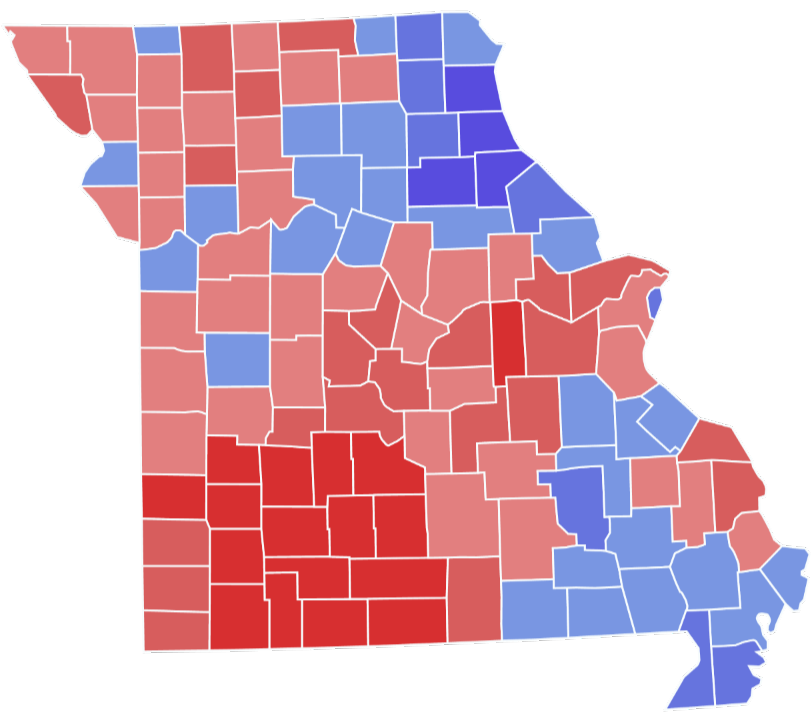
The rejected measure would have raised that bar. Reporting ahead of the vote described the proposal as requiring constitutional amendments, especially citizen-led ones, to win approval not just statewide but across each of Missouri’s congressional districts.
That is a major change in practical terms. A statewide majority could support an amendment and still lose if the measure failed in one required geographic area. Supporters framed that kind of structure as a safeguard for the constitution. Opponents saw it as a minority veto over statewide majorities.
The result means Missouri voters chose not to add that extra layer. For now, the state’s constitutional amendment process remains tied to a simple majority threshold.
Why the 50% rule matters
Threshold fights can sound technical, but they decide how much political power voters have once a proposal reaches the ballot. A 50% standard means a measure passes if more voters support it than oppose it statewide. A district-by-district requirement can make victory much harder, even when a proposal is popular across Missouri as a whole.
That difference matters because ballot measures are one of the few ways voters can bypass the legislature. In Missouri, that route has been used for major policy changes when elected officials were unwilling or unable to move in the same direction.
Recent constitutional amendments and voter-approved measures in Missouri have touched abortion rights, marijuana legalization, sports betting and Medicaid expansion, according to reporting on the state’s initiative fights. Those examples help explain why the procedure itself became the political battlefield.
For voters who like direct democracy, the defeat protects a familiar path. For those worried that the constitution is too easy to rewrite, the loss leaves a system they consider too open to well-funded campaigns and national interest groups.
The argument for tougher rules
Backers of higher thresholds generally argue that state constitutions should not be changed as easily as ordinary statutes. A constitution sets the framework for government, they say, and should have a higher level of consensus before voters lock new policies into it.
That concern has become more common in states where ballot initiatives have delivered results at odds with legislative majorities. Lawmakers and advocacy groups on the right have often warned that outside money can bankroll campaigns that reshape state law through emotionally powerful or narrowly written proposals.
In Missouri, the rejected proposal fit into that national debate. NPR reported before the vote that several states were weighing new limits on direct democracy, with supporters of such changes saying tougher rules can protect state constitutions from frequent amendment campaigns.
There is a real democratic argument there: constitutions are supposed to be durable. If voters can amend them frequently, the line between constitutional principle and regular policy preference can blur.
The argument against a veto
Opponents counter that raising the bar after voters have used the initiative process successfully can look less like constitutional housekeeping and more like an effort to block future outcomes. Their central argument is simple: if a statewide majority supports a constitutional amendment, that majority should not be overridden by a smaller geographic minority.
A district-by-district rule would have changed the incentives for every future campaign. Instead of persuading a statewide electorate, supporters would need to win everywhere required by the new formula. Opponents could focus on defeating an amendment in the weakest district rather than winning the full statewide debate.
Voting-rights advocates have described these proposals as limits on direct democracy. Kelly Hall of the Fairness Project told NPR that 2026 had become a fight over whether voters can continue to use direct democracy meaningfully.
Missouri’s result shows that voters can be skeptical of procedural changes even when those changes are packaged as guardrails. People may disagree sharply on abortion, marijuana, taxes or health care, yet still resist making the ballot process harder for the next issue.
Missouri’s recent ballot history
The state’s amendment process has become politically important because voters have used it to settle questions that elected officials fought over for years. Medicaid expansion, marijuana legalization, sports betting and abortion-rights protections all made Missouri’s constitution and ballot system a target for competing political strategies.
That history gave the 2026 measure extra stakes. The question was not only whether voters liked one procedural proposal. It was whether they trusted future statewide majorities with the same tool past majorities used.
Missouri is not alone. Across the country, state-level initiative systems have become pressure valves for issues where legislatures are gridlocked or unrepresentative of public opinion. That has made them attractive to advocates and alarming to lawmakers who see policy moving around them.
The Missouri vote will likely be read by both sides as a signal. Direct-democracy groups can point to it as proof that voters do not want new obstacles. Supporters of tougher rules may see it as a setback, not the end of the campaign.
What remains unclear
The secretary of state’s election night page listed the Aug. 4 primary results as unofficial as vote-counting information was posted. Certification and final county-level totals will provide the formal record of the defeat.
What is less clear is whether Missouri lawmakers or allied groups will try again with a revised proposal. They could seek a different threshold, narrower language or a future election with a more favorable electorate. Procedural fights over amendments rarely disappear after one vote.
The immediate takeaway is still clear: Missouri voters rejected making constitutional amendments harder to pass and kept the 50% approval standard in place. That preserves the current path for future campaigns seeking to change the Missouri Constitution.
For mobile readers skimming the political meaning, the point is this: the next big Missouri ballot fight will still be fought under the rules voters already know, not under a new system that could have required broader geographic approval than a statewide majority.








Leave a Reply