
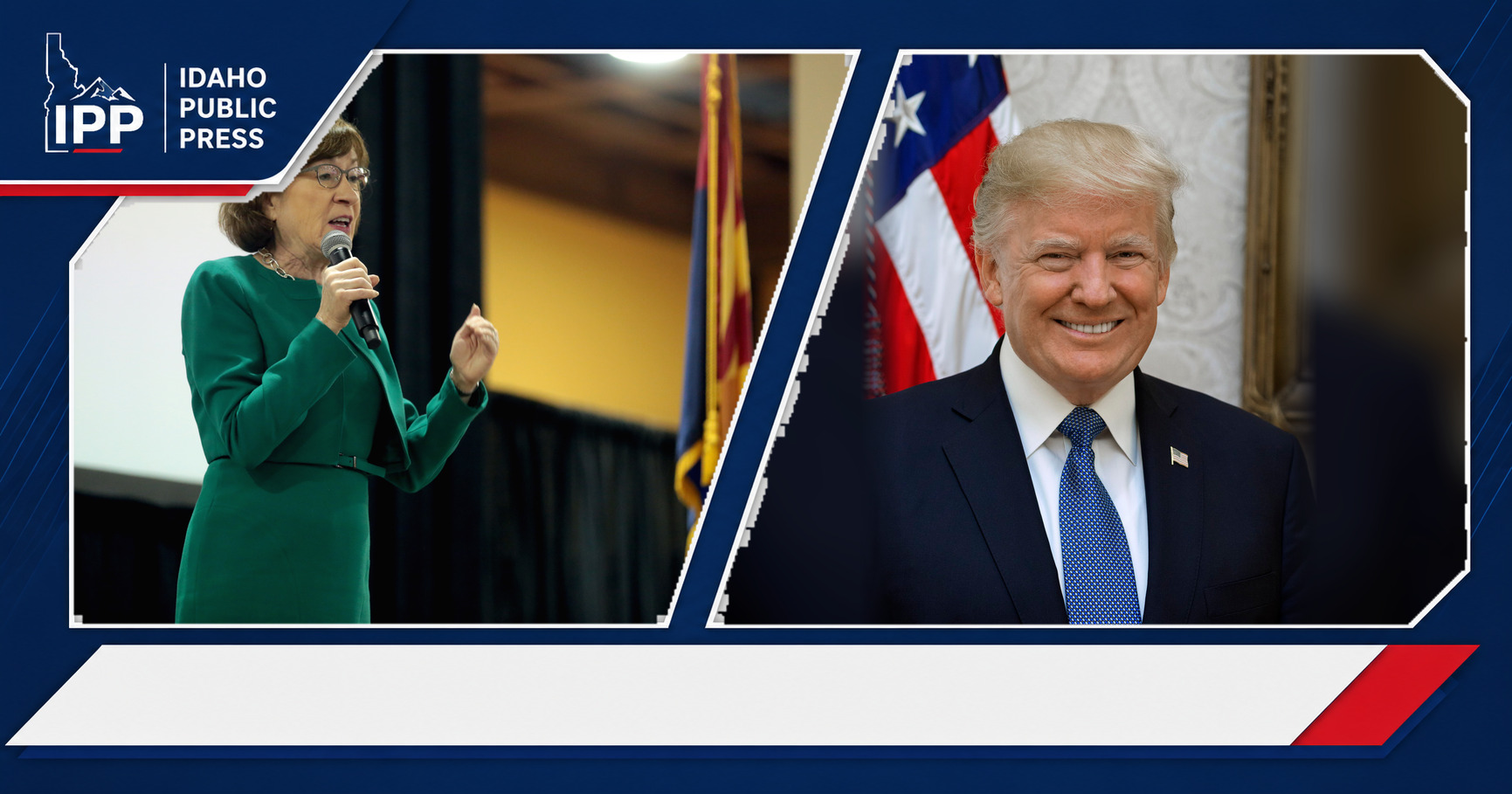
The Maine Republican’s break with her party gives opponents a visible GOP vote as Blanche moves toward a full Senate decision. The fight centers on whether the attorney general should act independently of the White House.
Susan Collins said she will vote against Todd Blanche’s nomination for attorney general, putting the Republican senator from Maine publicly at odds with President Trump as the U.S. Senate moves toward the Senate confirmation vote over Blanche’s nomination. The reported decision gives opponents of Blanche a visible GOP defection in a fight over who should lead the Justice Department and how independent that office must be from the White House.
The New York Times reported Collins’s position, while a Senate release from Democratic Sen. Alex Padilla’s office said Blanche’s nomination had already advanced out of the Senate Judiciary Committee with all Republicans voting in favor and all Democrats opposed.
Collins changes the confirmation math
Collins’s no vote does not automatically sink Blanche’s nomination. But it changes the frame of the debate by making clear that opposition is not limited to Senate Democrats.
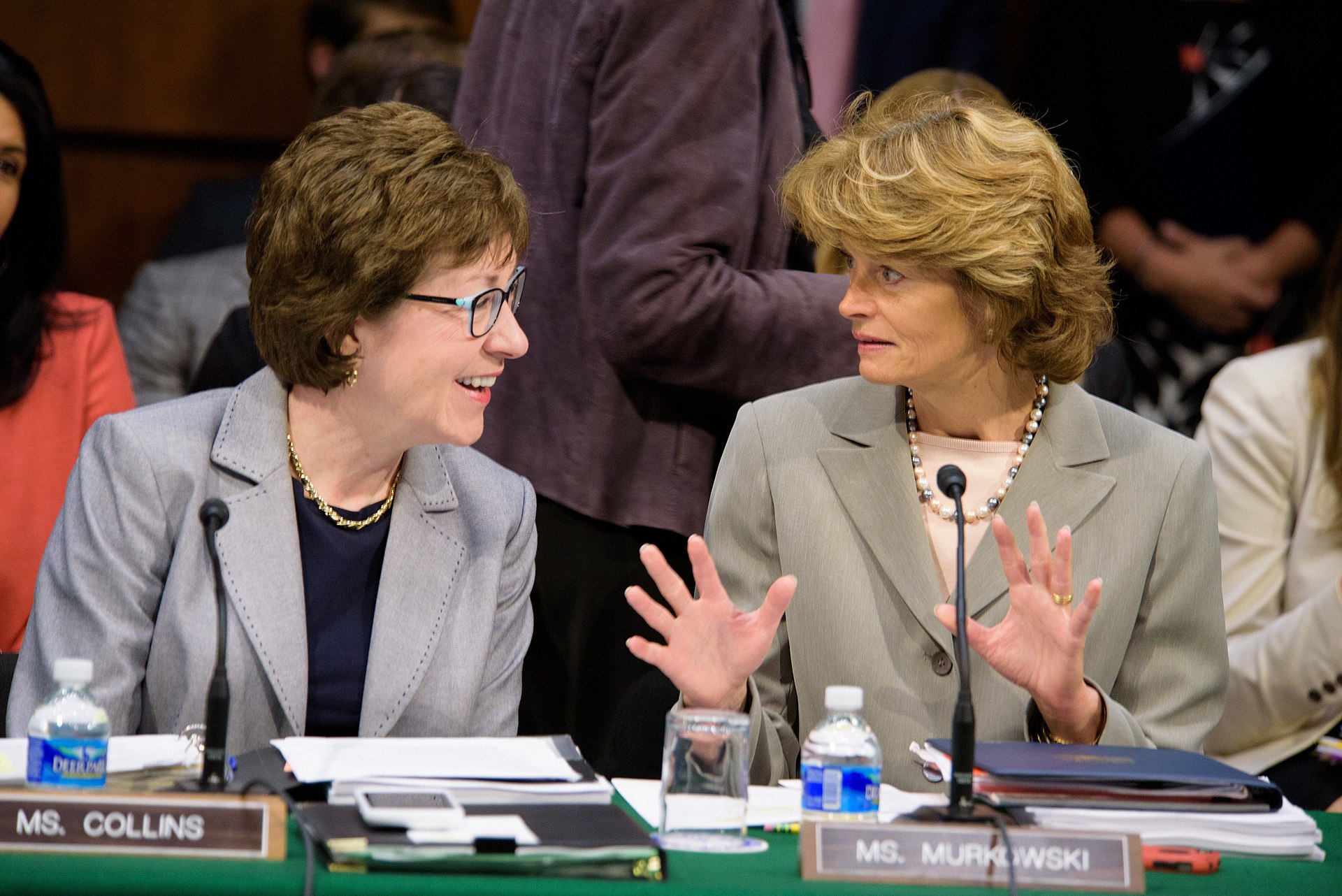
That matters because attorney general nominations are not just personnel votes. They decide who will supervise federal prosecutors, defend the government in court, guide law enforcement priorities and represent the United States in some of the most politically sensitive legal fights in the country.
Collins has long occupied a distinct lane among Senate Republicans, particularly on nominees and institutional questions. Her opposition gives critics of Blanche a Republican example to point to as the full Senate considers whether to confirm him.
The reports reviewed did not include a detailed Collins statement laying out every reason for her vote. Still, her decision lands in a confirmation battle already dominated by questions about Blanche’s relationship with Trump and the Justice Department’s independence.
Why Blanche is drawing resistance
Blanche’s nomination has become a proxy fight over the attorney general’s role in a second Trump administration. Critics are not merely questioning whether he is qualified as a lawyer; they are arguing that his ties to Trump and his answers during the process raise concerns about loyalty, independence and accountability.
Padilla, a California Democrat on the Senate Judiciary Committee, said in a public statement that Blanche was “not fit” to serve as attorney general. His office said Padilla criticized Blanche during the committee vote and argued that the nominee failed to clearly prioritize the rule of law over Trump’s personal interests.
One of Padilla’s central objections was blunt: “The Attorney General isn’t supposed to be the President’s lawyer. The Attorney General is supposed to be the country’s lawyer.” That line captures the core argument from Blanche’s opponents.
Padilla also said Blanche, during his nomination hearing, referred to himself as Trump’s lawyer before correcting himself. Opponents have treated that moment as revealing, though Blanche’s supporters have not been shown in the provided record making a public response to that specific criticism.
Independence is the central issue
The Justice Department is part of the executive branch, and the attorney general is nominated by the president. But the office carries a special expectation: it is supposed to enforce federal law without serving as a private legal shield for the president or the president’s allies.
That tension has animated attorney general fights across administrations, but it is especially charged around Trump because of his long-running clashes with federal law enforcement, prosecutors and courts. Blanche’s past connection to Trump makes the independence question harder for the Senate to avoid.
Padilla said Blanche refused to commit to preserving the Justice Department’s independence from improper political interference, including from Trump. That claim comes from Padilla’s official Senate release and reflects the Democratic critique of the nominee.
Supporters, at least in committee, clearly reached the opposite conclusion. Padilla’s office said every Republican on the Judiciary Committee voted to advance Blanche, while every Democrat voted no. That party-line committee result shows how sharply divided the nomination already was before Collins’s position became public.
A party-line committee vote
The Judiciary Committee vote is important because it moved Blanche closer to a final Senate decision. Committee approval does not confirm a nominee, but it signals that the nomination has cleared a major procedural and political hurdle.
According to Padilla’s office, the committee vote broke cleanly by party: Republicans supported Blanche, Democrats opposed him. That alignment suggested the White House had kept Republicans together at the committee stage.
Collins’s opposition complicates that picture. A full Senate vote is a broader test than a committee vote, and a Republican senator publicly voting no can put more pressure on undecided colleagues or those uncomfortable with the nominee but reluctant to break ranks.
It also gives Democrats a bipartisan talking point, even if only one Republican has publicly crossed over in the record reviewed here. In confirmation politics, the first defection can matter because it shows there is political space for another.
What Democrats are warning about
Padilla’s criticism went beyond Blanche’s personal relationship with Trump. His office said he accused Blanche of showing too little interest in holding federal officials accountable when they violate the law.
Padilla also raised concerns about the Department of Homeland Security, January 6-related litigation and what he described as possible efforts to financially reward people convicted or accused in connection with the Capitol attack. Those are Democratic allegations and policy fears, not findings by the Senate as a whole.
The broader warning is that Blanche would use the Justice Department to protect Trump and his allies rather than apply the law neutrally. That is the most serious charge against any attorney general nominee, and it is why this confirmation fight has become larger than a résumé review.
For Republican supporters, the committee vote indicates confidence in Blanche despite those attacks. For opponents, Collins’s no vote is evidence that concerns about independence have moved beyond the usual partisan lines.
The unanswered Senate question
The immediate question is whether Collins remains a lone Republican opponent or whether her position signals a wider problem for Blanche. The answer will determine whether the nomination remains on track or becomes a genuine floor fight.
What remains unclear from the available record is how the White House and Blanche’s allies plan to answer Collins’s opposition. It is also unclear whether Collins will publicly expand on her reasoning before the final vote.
The stakes are straightforward. If Blanche is confirmed, he would take charge of a Justice Department already at the center of disputes over presidential power, political accountability and federal law enforcement. If he is defeated or delayed, it would mark a rare and embarrassing setback for Trump on a top Cabinet-level legal post.
Collins’s vote may not be enough by itself to decide the outcome. But it ensures the final Senate debate will not be only Democrats versus Trump. It will also be a test of how many Republicans are willing to draw a line on the attorney general’s independence.






Leave a Reply